
Bugs coming into your house in fall: what they are and what to do
If you're suddenly finding bugs on your windows, walls and ceilings in September, October or November, you're not alone. As nights get colder, many insects look for a sheltered place to spend the winter, and a warm house with a few gaps around the windows is perfect.
The good news: most fall invaders are harmless. They don't bite people, they don't eat your food or damage the house, and the ones moving in for winter don't breed indoors. Here are the most common ones, how to recognise them, and what actually works to keep them out.
Overwintering bugs: they just want somewhere to sleep
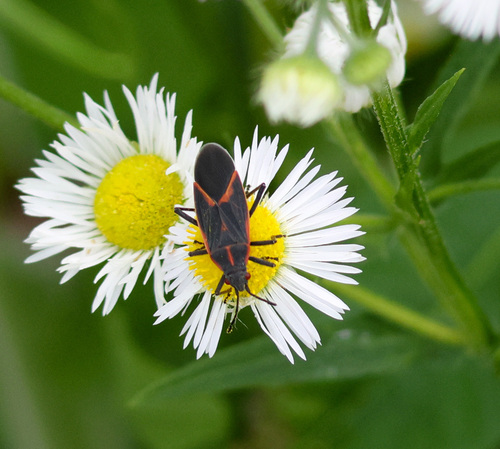
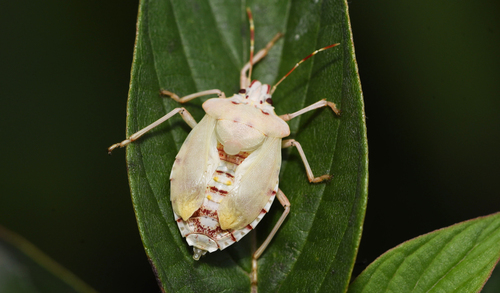
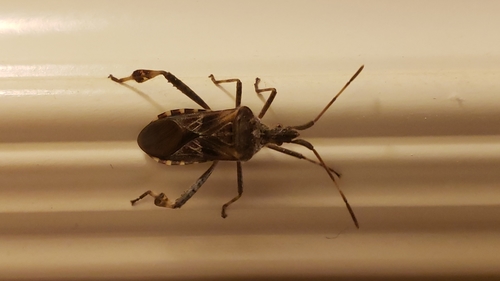
These insects spend the winter as adults in a dormant state. In late summer and fall they gather on sunny, south- and west-facing walls on warm afternoons, then squeeze through gaps around windows, doors, siding, vents and utility pipes into wall voids and attics.
They stay mostly inactive through the winter. On warm winter days, and again in spring, some wake up and wander into living areas, heading for the light at windows. They don't lay eggs indoors, so the numbers you see don't grow over the winter.
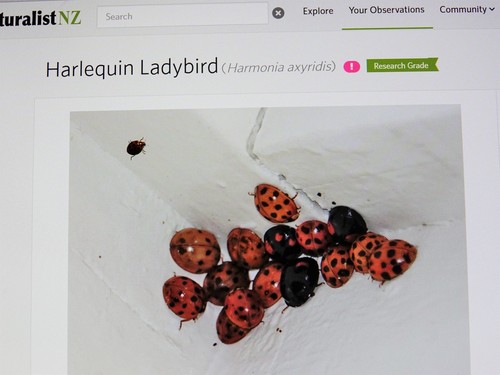
Stink bugs release a strong smell when they're disturbed or crushed. Asian lady beetles can give a small pinch and release a yellow fluid that smells and can stain fabric. Western conifer seed bugs are large and buzz loudly when they fly, which worries people, but they're harmless.
Crickets and earwigs escaping the cold
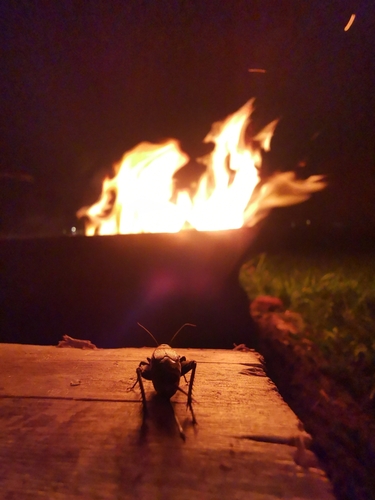
Fall field crickets and earwigs live outdoors in grass, mulch and leaf litter. As it gets colder some wander in under doors and through gaps at ground level. Indoors they usually find little to eat and die off within a few weeks.
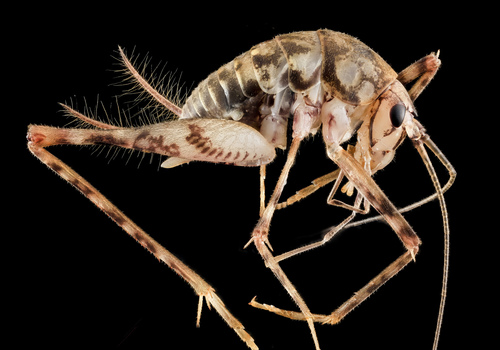
Camel crickets (also called cave or spider crickets) are humpbacked, long-legged and wingless. They like damp basements, crawl spaces and garages. They don't bite people; their sudden jumps are just how they escape.
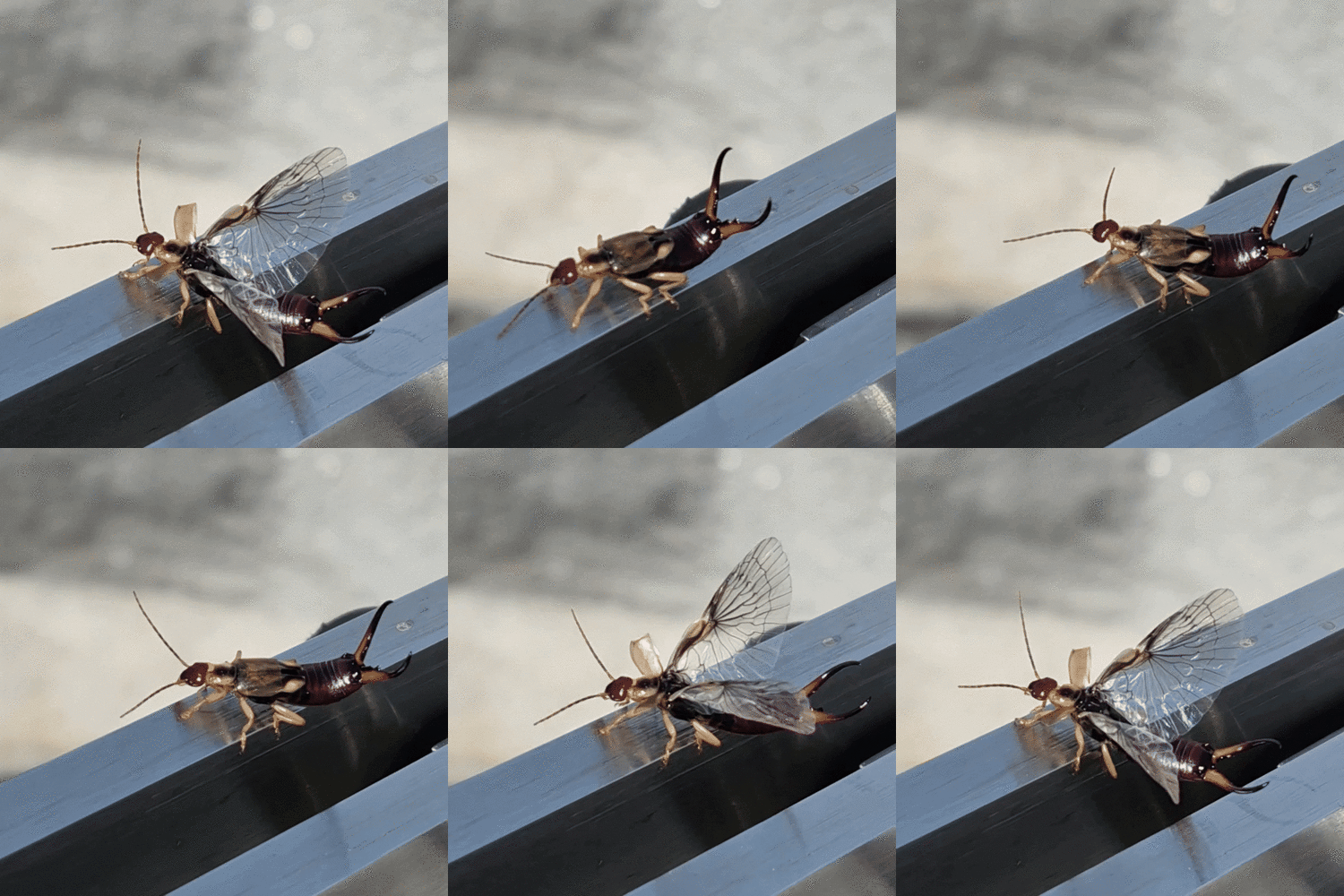
Earwigs look alarming because of the pincers on their rear end, but the pinch is weak and harmless.
Bugs you notice more in fall (they were already inside)
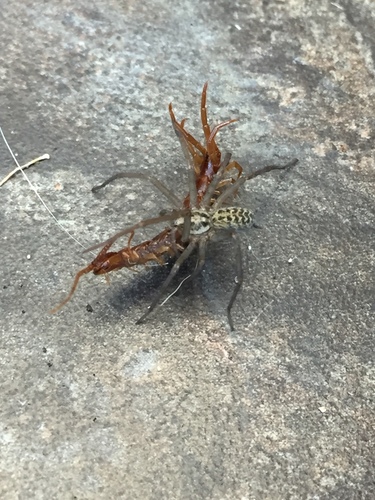
Not every bug you see in autumn has just come in. Male house spiders wander in late summer and autumn looking for females, which is why big, fast spiders suddenly appear running across floors and getting stuck in sinks and baths. They're not dangerous to people.
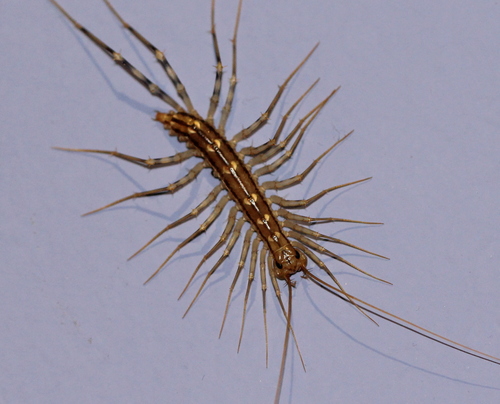
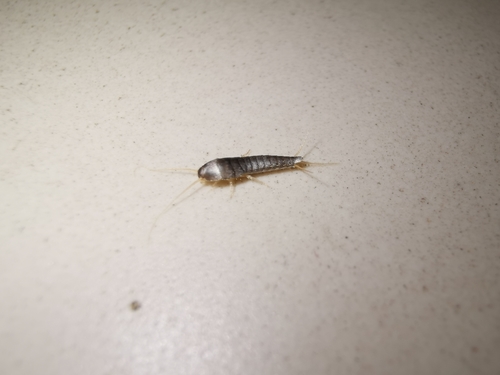
House centipedes, cellar spiders and silverfish live indoors all year in damp, quiet spots. You tend to notice them more when the heating comes on and they move around. House centipedes and cellar spiders eat other household pests, so they do some good.

How to keep fall bugs out
Seal the gaps before the cold sets in. The best time is late summer or early fall, before the bugs start gathering. Caulk cracks around window frames and door frames, fit door sweeps, repair torn window screens, and cover attic and soffit vents with fine screen.
Vacuum the bugs that do get in. It's the easiest way to deal with stink bugs, boxelder bugs and lady beetles. Empty the vacuum outside straight away. Avoid crushing stink bugs and lady beetles, because that releases the smell and the staining fluid.
Dry out damp areas. A dehumidifier in the basement and fixing leaks makes the house much less inviting for camel crickets, house centipedes and silverfish.
Skip indoor bug sprays for overwintering bugs. They don't reach the insects hidden in the walls, and more bugs keep coming out until spring. For very large numbers every year, a pest control professional can treat the outside walls in late summer, before the bugs move in.
When you should take a closer look
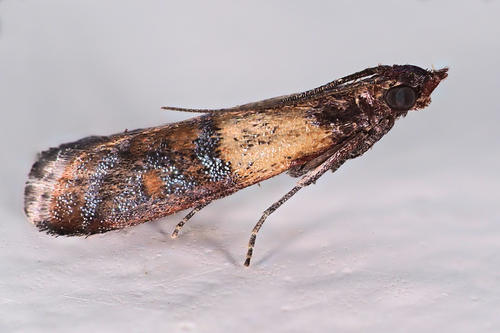
A few bugs found indoors in fall are a different matter, because they do breed inside and won't go away on their own. Small moths fluttering in the kitchen, or webbing in flour, cereal or nuts, usually means pantry moths. Throw out infested food and clean the cupboard. Tiny flat brown bugs in or around the bed, with itchy bites, could be bed bugs and are worth identifying quickly.
If you're not sure which bug you've found, take a clear photo of it from above and compare it with the photos on this page, or identify it from the photo.
?Frequently asked questions
Why are there so many bugs in my house in the fall?
As temperatures drop, insects that spend the winter as adults, such as stink bugs, boxelder bugs and Asian lady beetles, look for sheltered places to hibernate. Gaps around windows, doors and vents let them into walls and attics, and on warm days they wander out into the house.
Will fall bugs breed in my house over the winter?
Overwintering bugs like stink bugs, boxelder bugs and lady beetles don't breed indoors. They leave in spring. Pantry moths, bed bugs, silverfish and some spiders can breed indoors, so it's worth identifying what you've found.
Are the bugs that come inside in the fall dangerous?
Most aren't. Boxelder bugs, stink bugs, crickets and earwigs don't bite people or spread disease. Asian lady beetles can pinch and, in some people, trigger allergies. House centipedes and house spiders rarely bite, and when they do it's usually like a mild bee sting at worst.
How can I tell what bug I found in my house?
Take a clear photo from above, ideally next to something for scale, and note where you found it. Compare it with the photos on this page, or use a photo identifier like Insect Scanner to get the species, whether it's harmful and what to do about it.
Written by the Insect Scanner team, last updated 2026-10-23. Identification from photos is never certain: don't handle insects you can't identify, and get medical advice for bites, stings or allergic reactions.