
Boxelder bug
Boisea trivittata · Seed bugs
A black-and-red seed-feeding true bug common on boxelder and maple trees that often aggregates on buildings but is harmless to people.
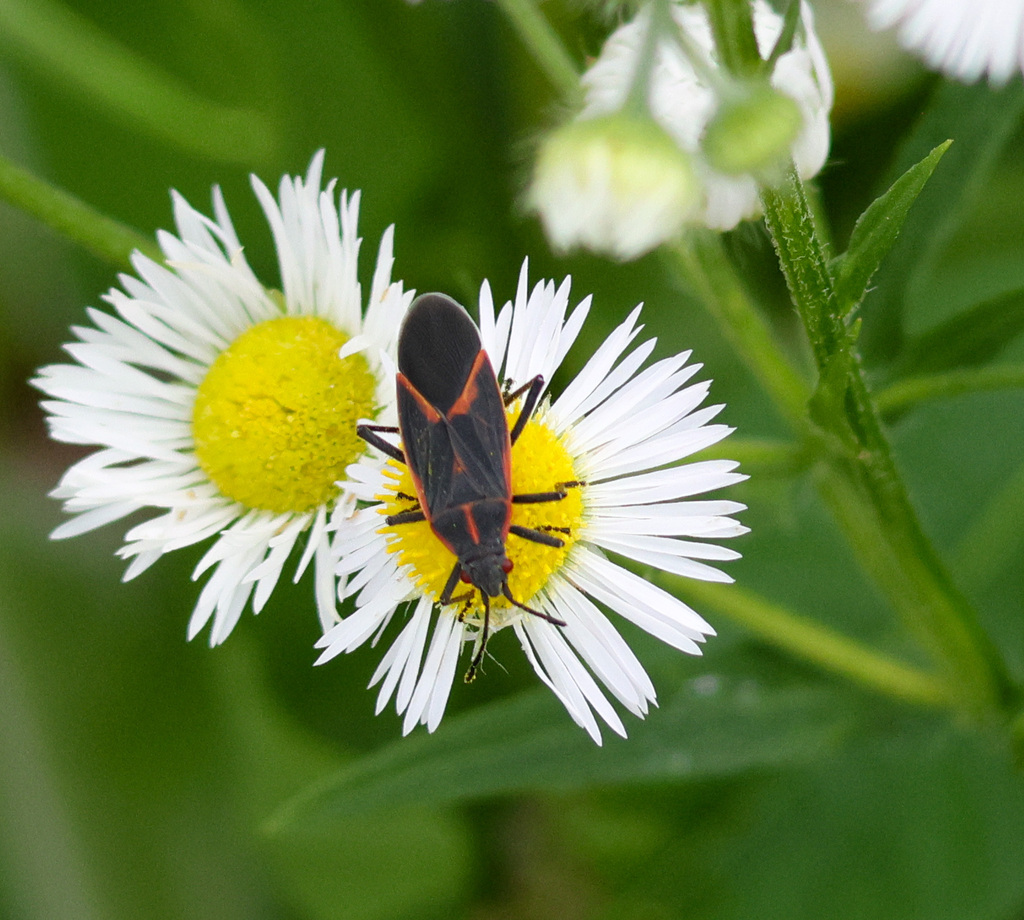
!Is the boxelder bug dangerous?
No. Boxelder bugs do not bite or sting and are not dangerous. Handling may cause minor skin staining or mild irritation for very sensitive people; crushing them can leave a foul-smelling secretion. If a few get indoors there is no medical concern. Clean crushed bugs from surfaces with soap and water.
Pets
Generally harmless to pets. Large numbers could be a minor nuisance if pets eat many bugs, possibly causing mild stomach upset; they are not known to be toxic to cats or dogs.
📖Overview
Boxelder bugs are medium-sized true bugs that feed mainly on seeds and sap of boxelder, maple and related trees. They are most noticeable in late summer and fall when adults and nymphs gather on tree trunks, leaves and sometimes on warm building walls to bask or overwinter. Although they can enter homes in large numbers and leave stains if crushed, they do not bite people, spread disease, or cause significant structural damage.
They overwinter as adults in protected places (bark crevices, rock piles, buildings) and emerge in spring to mate and lay eggs. There is typically one to two generations per year depending on climate. Populations fluctuate with the local availability of host trees and seasonal weather patterns.
🔍How to identify a boxelder bug
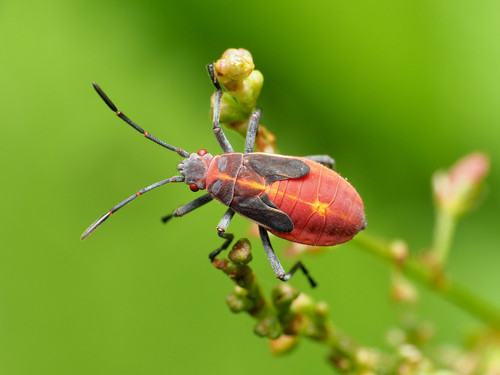
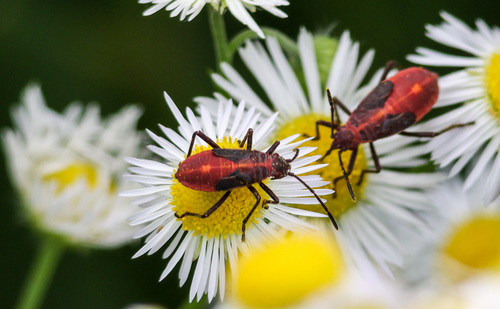
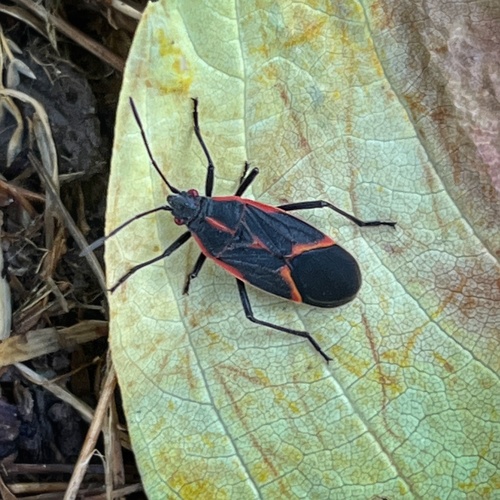
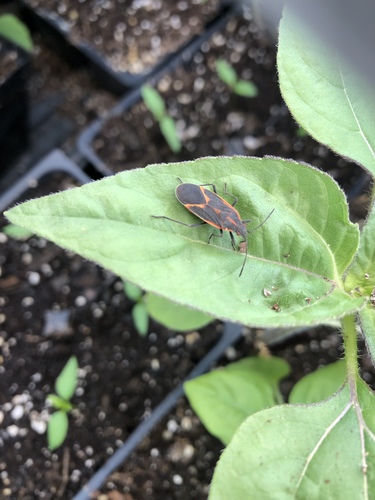
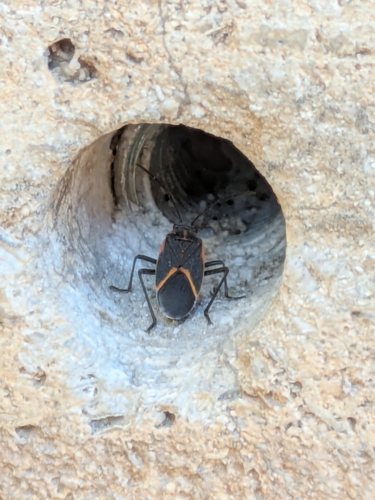
Adults are elongated, 9-16 mm long, mostly black with three red or orange longitudinal lines on the pronotum and a red margin on the wings; legs and antennae are black. Nymphs are bright red to orange when young and become darker with age while developing wing pads. When crushed they can release a weak, unpleasant odor.
- Black, elongated body 9-16 mm long with three red or orange longitudinal stripes on the pronotum
- Red or orange young nymphs without fully developed wings; adults have red edging on the wings
- Often found on boxelder or maple trees and in sunny aggregations on warm building walls
Lookalikes
Western boxelder bug Boisea rubrolineata
Very similar appearance; ranges and minor pattern differences distinguish them—consult regional guides for exact separation.
Large milkweed bug Oncopeltus fasciatus
Milkweed bug is orange and black but has a broader orange area and different wing pattern; milkweed bugs are associated with milkweed, not boxelder.
Stink bugs (various) Pentatomidae spp.
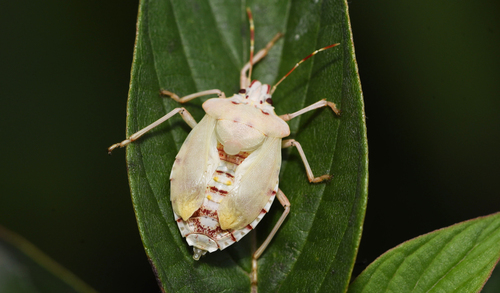
Stink bugs are broader and shield-shaped, not elongated like boxelder bugs; stink bugs also have a stronger odor and different leg/antenna structure.
↻Life cycle
Egg
Small, elongated eggs laid in clusters on leaves and twigs in spring; hatch in about 1-2 weeks depending on temperature.
Nymph
Wingless, bright red to orange nymphs that go through several instars, feeding on seeds and sap; gradually darken and develop wing pads.
Adult
Fully winged, black and red adults that reproduce in summer and often aggregate in fall before seeking overwintering sites.
🍃Diet and predators
Young eat
Sap and juices from seeds, developing fruits and leaves of boxelder and related trees
Adults eat
Primarily seeds and sap from boxelder, maples and sometimes ash; they probe plant tissues with piercing-sucking mouthparts
Predators of the young
Birds, spiders, predatory insects such as assassin bugs and ants
Predators of adults
Birds, spiders, predatory insects; parasitic wasps and flies may attack eggs or nymphs
🌱Effect on plants and gardens
Feed on seeds, sap and developing samaras of boxelder and other maples; damage is usually cosmetic (discolored or shriveled seeds/leaves) and rarely harms mature trees.
How to get rid of boxelder bugs
Prevent entry by sealing cracks around windows, doors, eaves and utility penetrations. Reduce overwintering habitat by removing loose bark, leaf litter and rock piles near foundations. Outside, knock aggregations off walls with a broom into soapy water or collect them with a vacuum. In severe infestations, a perimeter insecticide labeled for exterior use may reduce numbers; follow label instructions or hire a licensed professional. Avoid indoor insecticide use unless necessary.
📍Where and when to find it
Look on boxelder and maple trees, on samaras and seed clusters, on sunny rock faces or building walls, and under bark or in crevices for overwintering adults.
Best time
Late summer and fall for large aggregations; spring and summer for mating and nymphs. Daytime, especially sunny periods, is best for observing basking bugs.
Observation tips
Photograph from a short distance to capture body stripe details; use a shallow angle to show the elongated profile. To collect for study, use a jar or aspirator rather than crushing.
✨Fun facts
- Boxelder bugs are named for their association with boxelder trees (Acer negundo), but they also use other maples and ash trees.
- They commonly gather in large, sunlit groups on warm walls and rocks—this behavior helps them warm up and find mates.
- Despite being called 'scentless plant bugs' (family Rhopalidae), they can produce a faint odor if crushed.
?Frequently asked questions
Are boxelder bugs poisonous?
No. They are not poisonous to humans or pets. They do not bite or sting and are not disease vectors.
Do boxelder bugs bite?
Not in any meaningful way. Boxelder bugs feed on plants, not blood; very rarely one may probe skin with its mouthparts, causing a small, short-lived red spot.
Why are boxelder bugs in my house?
Adults often seek warm, protected places to overwinter and are attracted to sunny building walls. They enter homes through small gaps, vents or cracks while searching for shelter.
How do I get rid of boxelder bugs?
Seal entry points, remove nearby overwintering habitats, knock or vacuum visible bugs into soapy water, and use targeted exterior insecticides only if infestations are severe. Indoor insecticide use is rarely necessary.
Do boxelder bugs damage trees or plants?
They feed on seeds and sap and can cause cosmetic damage to seeds and some leaves, but they rarely cause serious harm to mature trees or landscapes.
📷Photos of the boxelder bug
More true bugs
Bites cause itching
Non-venomous nuisance
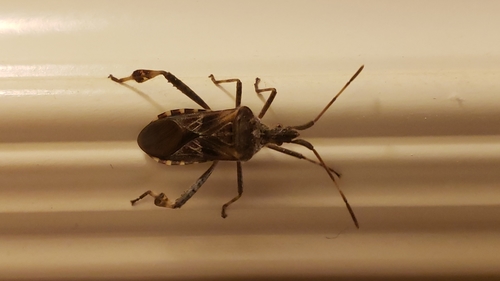
Smelly secretion
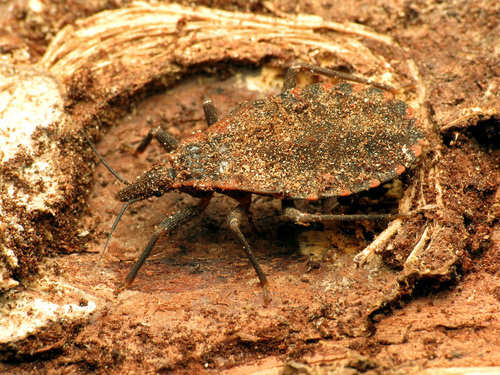
Potential disease vector
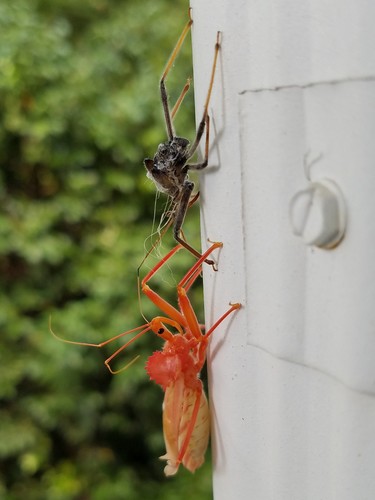
Painful bite
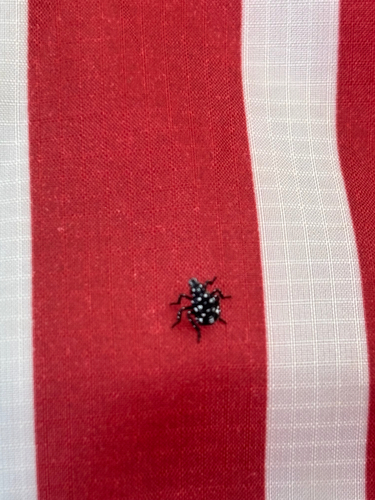
Non-toxic
This guide was written with AI assistance and fact-checked, last updated 2026-10-09. Identification from photos is never certain: don't handle insects you can't identify, and get medical advice for bites, stings or allergic reactions.