
Eastern bloodsucking conenose
Triatoma sanguisuga · Kissing bugs
A nocturnal, blood-feeding kissing bug of the eastern and southern United States that can carry the parasite that causes Chagas disease.
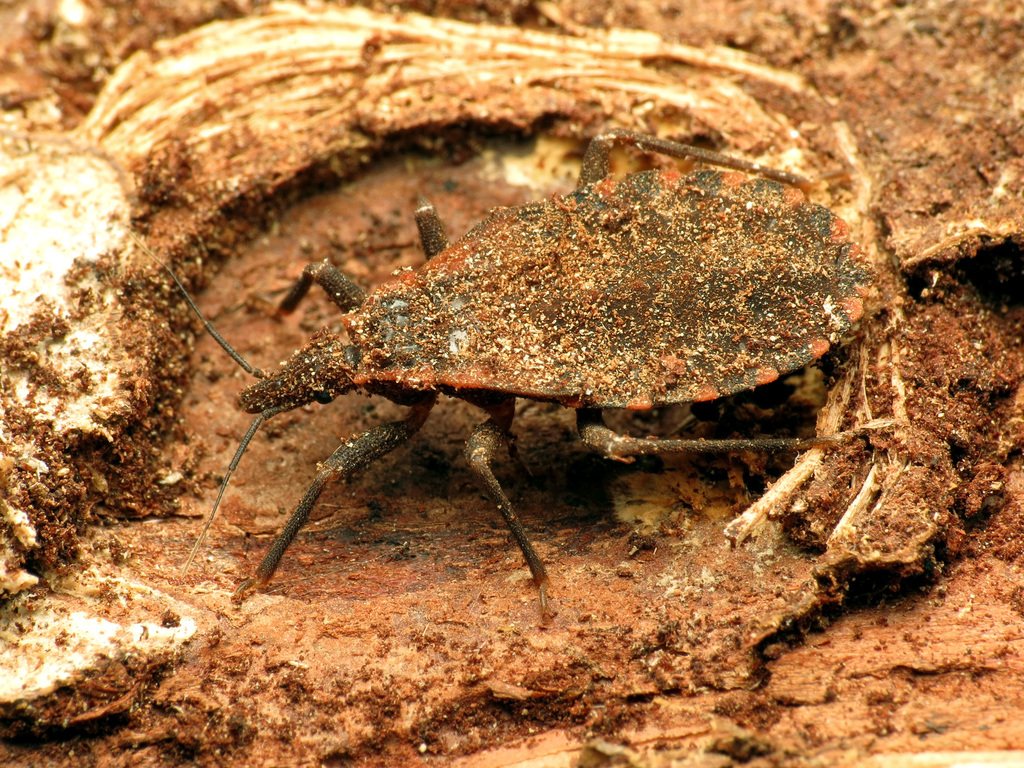
!Is the eastern bloodsucking conenose dangerous?
Yes, it can be. Triatoma sanguisuga bites to feed on blood. Bites can be painful or unnoticed; some people develop local swelling, itching or allergic reactions. The species can carry the protozoan Trypanosoma cruzi, which causes Chagas disease. Documented human transmission in the continental United States is uncommon, but the possibility exists. If bitten, clean the bite with soap and water and monitor for signs of infection or allergic reaction; seek medical care for severe swelling, systemic allergy or if illness develops after a bite. If you find one in your home, do not crush it with bare hands; place it in a sealed container (or freeze it) and contact your local health department or university extension office, which may be able to identify or test it.
Pets
Pets can be bitten and may develop irritation or allergic reactions. T. cruzi can infect dogs; chronic infection is serious. Discuss concerns with a veterinarian if a pet is exposed or unwell.
📖Overview
Triatoma sanguisuga is a species of kissing bug found mainly in the eastern and southern United States. Adults and late-stage nymphs feed on the blood of mammals (including humans), birds and reptiles. They are nocturnal, attracted to lights, hide in cracks, animal nests and woodpiles, and may enter houses. The species is a potential vector of the parasite Trypanosoma cruzi, the cause of Chagas disease, though autochthonous human transmission in the continental United States is rare.
🔍How to identify a eastern bloodsucking conenose
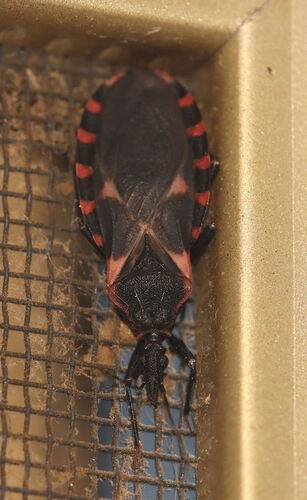
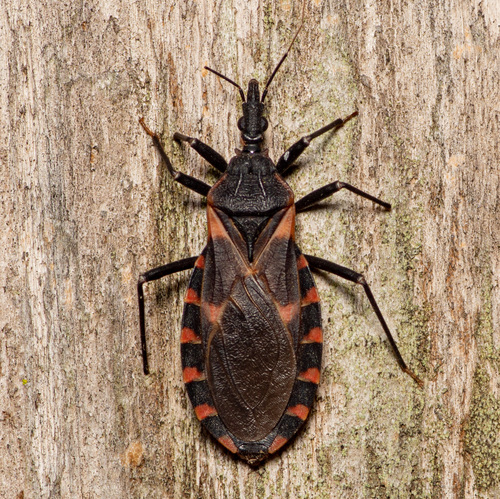
Adults are elongate, flattened bugs about 16-21 mm long with a narrow, cone-shaped head and a long beak (proboscis) used to pierce skin and feed. The body is mainly dark brown to black with orange to reddish markings along the edges of the abdomen visible when folded; legs and antennae are long and slender. Nymphs (immature stages) resemble adults but are wingless until the final molt and are often lighter or mottled in colour.
- Elongate, flattened body with a narrow, cone-shaped head and long beak (proboscis) for blood feeding
- Adults about 16-21 mm long, dark brown to black overall with orange to reddish marginal markings on the abdomen visible when wings are folded
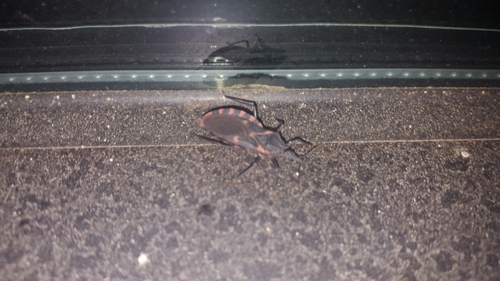
- Nocturnal habits and attraction to lights; often hide in cracks, wall voids, under porch steps or in rodent nests
- Winged adults (wings cover most of the abdomen) while nymphs are wingless until the final molt
Lookalikes
Western conenose Triatoma protracta
T. protracta is more common in western North America and shows different patterning; check geography and detailed markings of the pronotum and abdomen for separation.
Masked hunter Reduvius personatus
Masked hunter (another assassin bug) can be similar in size but does not feed on blood; it preys on insects such as bed bugs, has a shorter, rounder head and lacks the orange abdominal edge markings, though it can bite painfully if handled.
↻Life cycle
Egg
Females lay small, barrel-shaped white eggs in protected crevices. Eggs hatch in days to weeks depending on temperature and humidity.
Nymph (5 instars)
Nymphs pass through five instars, requiring a blood meal between molts. Early instars are wingless and smaller; later instars resemble adults more closely.
Adult
Adults have fully developed wings and reproduce after several blood meals; they continue feeding on blood and can live many months.
🍃Diet and predators
Young eat
Blood meals from mammals, birds and reptiles required between molts
Adults eat
Blood meals from mammals, birds and reptiles (no plant feeding)
Predators of the young
Small predators such as spiders, centipedes and insectivorous ants
Predators of adults
Birds, bats, spiders, predatory insects and reptiles
🌱Effect on plants and gardens
Triatoma sanguisuga does not feed on plants and has no direct impact on gardens or crops.
How to get rid of eastern bloodsucking conenoses
Seal gaps around doors, windows, eaves and foundations; screen vents; use weatherstripping; remove woodpiles, rock piles and bird or rodent nests near buildings; close entry gaps around pipes. Reduce outdoor lighting at night or use yellow 'bug' lights to lower attraction. If indoor infestation is suspected, contact a pest control professional to inspect and, if necessary, apply targeted insecticides following local regulations. Do not handle live bugs with bare hands; use gloves or forceps.
📍Where and when to find it
Look at night near outdoor lights, porches, in woodpiles, under siding, in rodent or bird nests and in cracks or wall voids indoors. Nymphs are found in nests and hides; adults fly to lights.
Best time
Warm months (spring through fall), at night
Observation tips
Turn off lights and check porch edges and window frames after dark using a flashlight. Do not handle live bugs with bare hands; collect specimens in a sealed container or photograph from a safe distance.
✨Fun facts
- Kissing bugs earned their common name because they often bite people's faces around the mouth or eyes while hosts sleep.
- They are members of the assassin bug family (Reduviidae), most of whose species are insect predators; only a few lineages feed on vertebrate blood.
- Attracted to artificial lights, these bugs frequently turn up near porches, windows and outside lamps at night.
?Frequently asked questions
Do kissing bugs bite?
Yes. Triatoma sanguisuga feeds on vertebrate blood and bites humans and pets, usually at night.
Are eastern bloodsucking conenoses poisonous or venomous?
They are not venomous in the sense of injecting toxins like some spiders, but their bite can cause pain, allergic reactions and they can transmit Trypanosoma cruzi.
Can they transmit Chagas disease in the United States?
Triatoma sanguisuga can carry Trypanosoma cruzi, the parasite that causes Chagas disease. Transmission to humans in the continental United States is uncommon but possible; risk rises where infected wildlife or pets are common and bugs enter homes.
Why is a kissing bug in my house?
They are attracted to lights and will enter buildings through gaps or be brought in with firewood, bedding or by hitching on pets. Nearby rodent, bird or opossum nests increase the chance of house entry.
How do I get rid of them?
Exclude entry by sealing cracks and screening vents, remove nearby nest and wood piles, reduce outdoor lights, and call a licensed pest control professional for inspection and safe treatment if you find multiple bugs or signs of infestation.
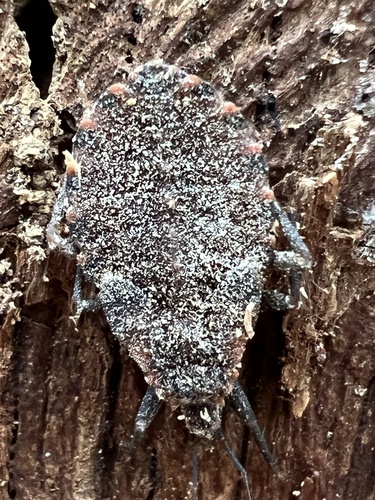
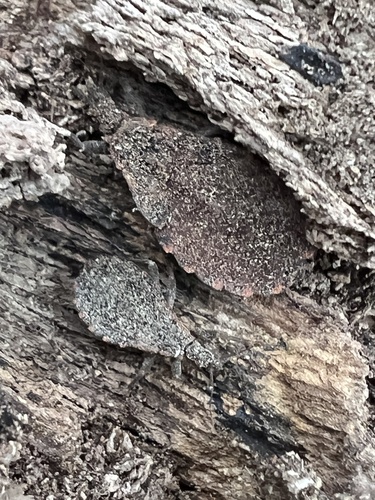
📷Photos of the eastern bloodsucking conenose
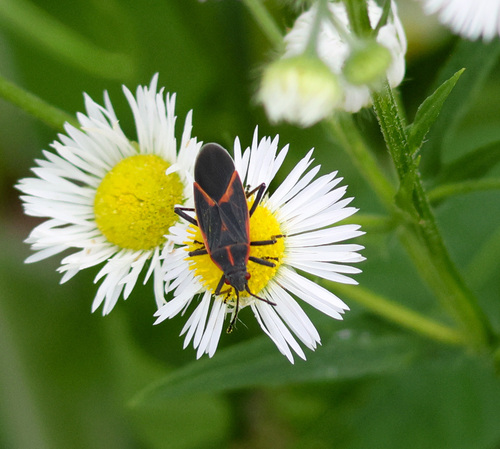
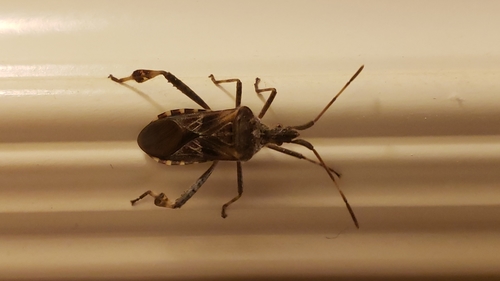
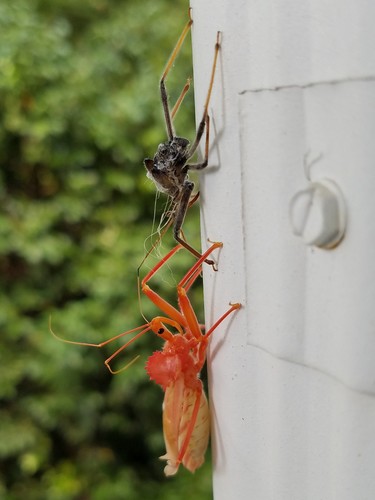
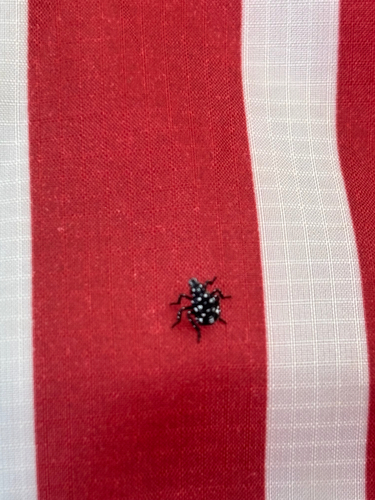
More true bugs
This guide was written with AI assistance and fact-checked, last updated 2026-10-09. Identification from photos is never certain: don't handle insects you can't identify, and get medical advice for bites, stings or allergic reactions.