
Eastern bloodsucking conenose vs Masked hunter
These two are easy to mix up. Here's how to tell an eastern bloodsucking conenose from a masked hunter, and whether either one bites or stings.
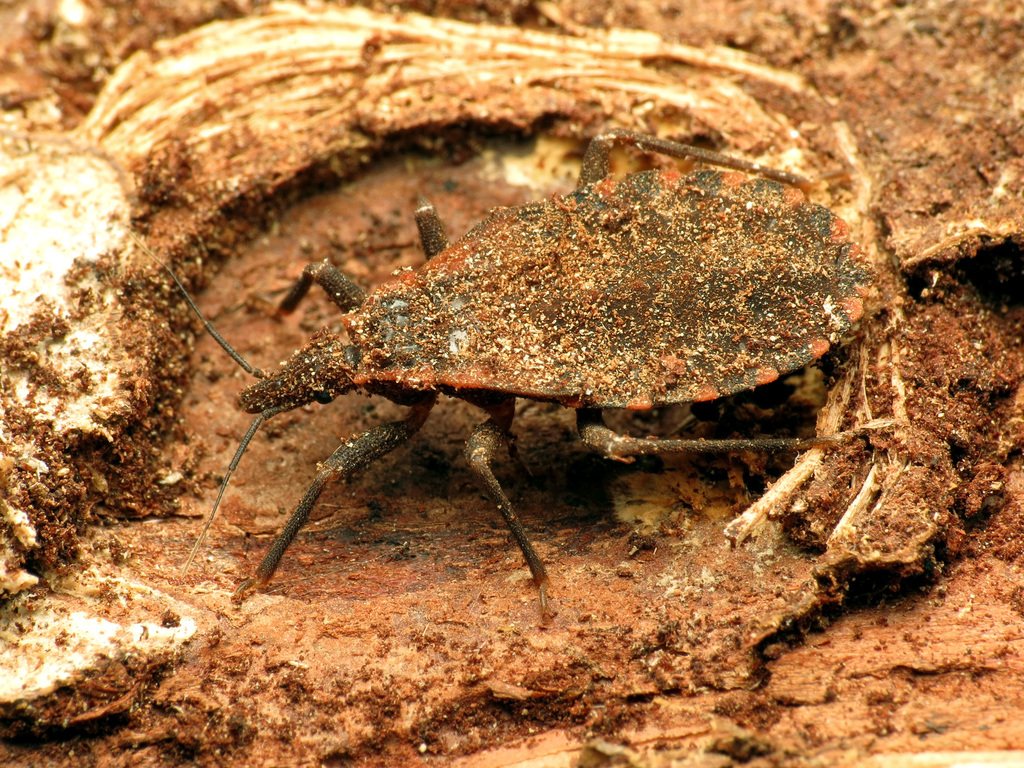
Eastern bloodsucking conenose
Triatoma sanguisuga
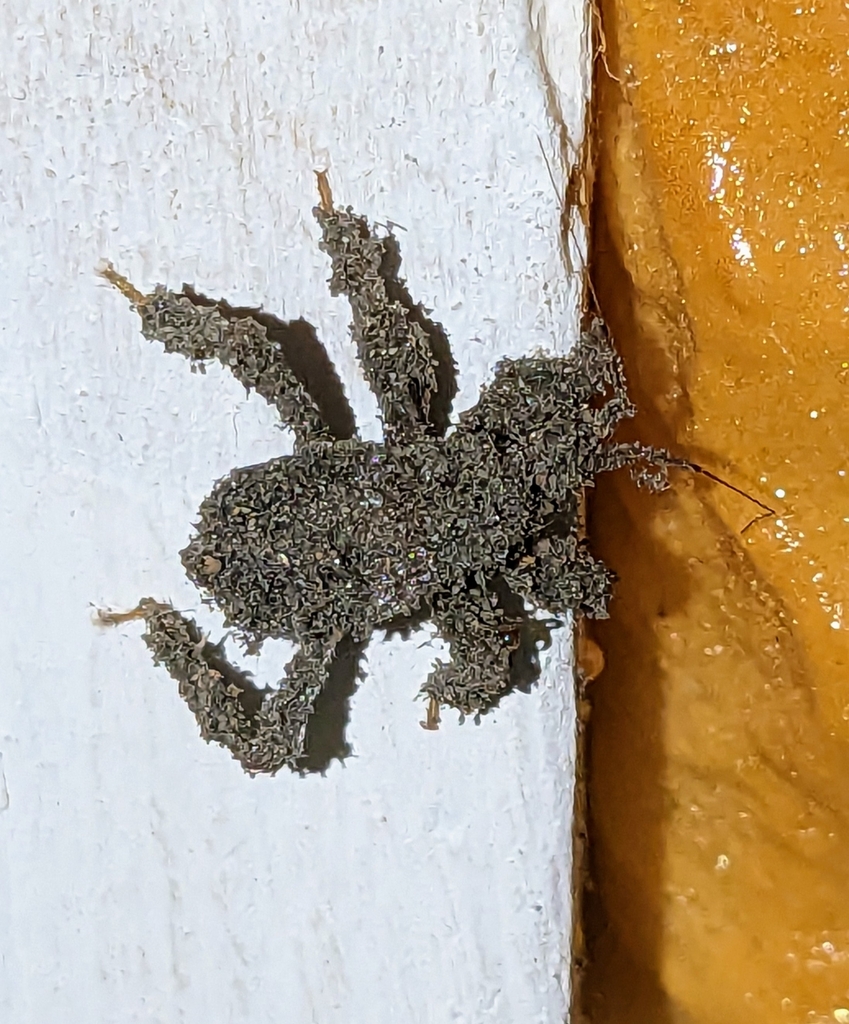
Masked hunter
Reduvius personatus
≠The key differences
Masked hunter (another assassin bug) can be similar in size but does not feed on blood; it preys on insects such as bed bugs, has a shorter, rounder head and lacks the orange abdominal edge markings, though it can bite painfully if handled.
⚖︎Side by side
| Eastern bloodsucking conenose | Masked hunter | |
|---|---|---|
| To humans | Potential disease vector | Painful bite |
| Size | About 16-21 mm body length | 17-22 mm body length |
| Colours | Dark brown, Black, Orange-red (abdominal marginal markings) | Dark brown, Black, Pale brown (nymph body) |
| Family | Reduviidae | Reduviidae |
| Habitat | Wooded edges, brush and rock piles, rodent and bird nests, porches and the cracks and crevices of houses and outbuildings | Woodland edges, under bark, in bird nests, woodpiles, and inside buildings (sheds, houses) where insect prey is available |
| Range | Eastern and southern United States, from the mid-Atlantic states south to Florida and west through the southern Midwest to Texas | Native to Europe; also established in North America and other temperate regions where it has been introduced |
| Active | Spring through autumn (warm months), mainly nocturnal | Mostly active spring to autumn; primarily nocturnal and crepuscular but may be seen daytime when disturbed |
| Pest? | Yes | No |
🔍How to spot an eastern bloodsucking conenose
- Elongate, flattened body with a narrow, cone-shaped head and long beak (proboscis) for blood feeding
- Adults about 16-21 mm long, dark brown to black overall with orange to reddish marginal markings on the abdomen visible when wings are folded
- Nocturnal habits and attraction to lights; often hide in cracks, wall voids, under porch steps or in rodent nests
- Winged adults (wings cover most of the abdomen) while nymphs are wingless until the final molt
🔍How to spot a masked hunter
- Adult body length about 17-22 mm with elongated, flattened profile and a narrow neck behind the head
- Long, three-segmented beak (rostrum) held under the head used for piercing prey
- Nymphs often dressed in a conspicuous coating of dust and lint they gather, making them look fuzzy or camouflaged
- Generally dark brown to black adults with long spindly legs; not brightly colored
?Frequently asked questions
What is the difference between an eastern bloodsucking conenose and a masked hunter?
Masked hunter (another assassin bug) can be similar in size but does not feed on blood; it preys on insects such as bed bugs, has a shorter, rounder head and lacks the orange abdominal edge markings, though it can bite painfully if handled.
Is an eastern bloodsucking conenose or a masked hunter more dangerous?
Eastern bloodsucking conenose: Potential disease vector. Masked hunter: Painful bite. Triatoma sanguisuga bites to feed on blood. Masked hunters are predators and do not seek out people, but they can deliver a painful stab-like bite if handled or trapped against skin.
Identification from photos is never certain: don't handle insects you can't identify, and get medical advice for bites, stings or allergic reactions.