
Green stink bug vs Southern green stink bug
These two are easy to mix up. Here's how to tell a green stink bug from a southern green stink bug, and whether either one bites or stings.
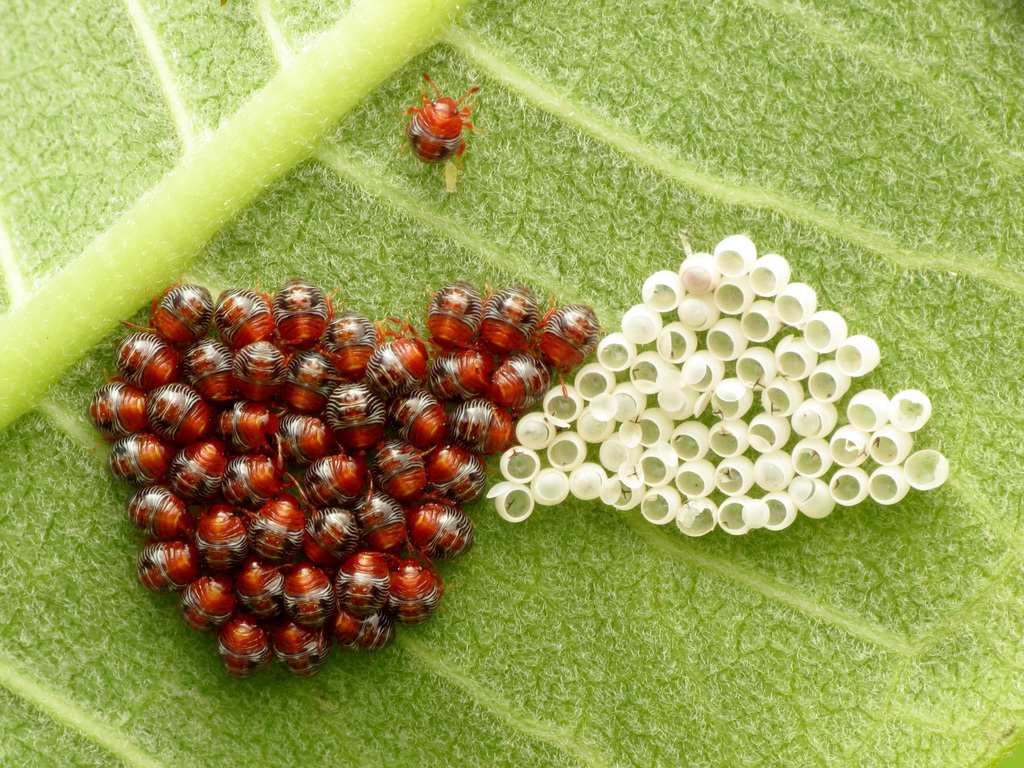
Green stink bug
Chinavia hilaris
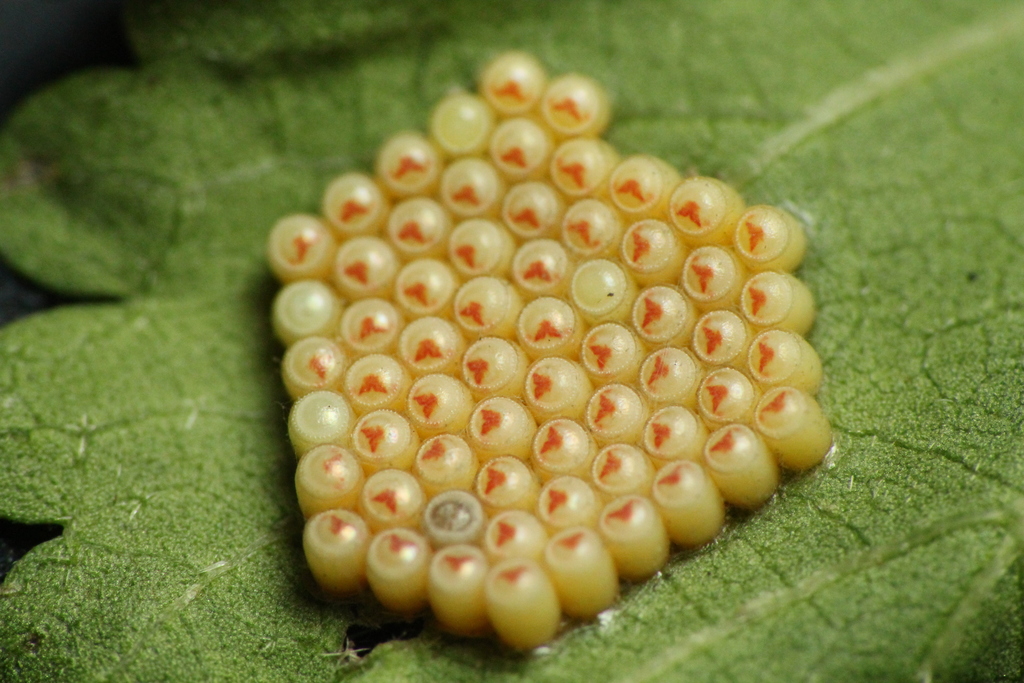
Southern green stink bug
Nezara viridula
≠The key differences
Nezara viridula usually shows three to five small pale spots along the front edge of the scutellum and has pale (not black) breathing pores (spiracles) on the underside of the abdomen; it is most common in the southern United States.
Chinavia hilaris is similar in shape and colour but typically shows a distinct pale margin along the abdomen and different scutellum shape; examine antenna banding and underside patterns to distinguish.
⚖︎Side by side
| Green stink bug | Southern green stink bug | |
|---|---|---|
| To humans | Unpleasant odor | Odor nuisance |
| Size | 10-18 mm body length | 10-18 mm long (typical adult) |
| Colours | Bright green, Pale yellow-green (ventral/young nymphs), Dark brown to black (antenna tips and legs) | Bright green, Pale yellow, Dark brown (antennae markings) |
| Family | Pentatomidae | Pentatomidae |
| Habitat | Fields, orchards, gardens, hedgerows and woodland edges; commonly on host plants and crop foliage | Agricultural fields, gardens, hedgerows and other vegetated areas; often on host plants and crop foliage |
| Range | Across much of North America, from southern Canada through the United States (most common in the East) | Originally pantropical; now established worldwide in tropical, subtropical and many temperate regions (Africa, Asia, Europe, the Americas, Australasia) |
| Active | Spring through fall (warm months); mainly daytime activity | Warm months and daytime; in warm climates adults can be active much of the year |
| Pest? | Yes | Yes |
🔍How to spot a green stink bug
- Uniform bright green, shield-shaped body with a large triangular scutellum reaching toward the rear
- 10-18 mm long adults with long antennae often having darker terminal segments
- Egg clusters on leaf undersides and green nymphs that resemble small wingless adults in later instars
🔍How to spot a southern green stink bug
- Bright green, shield-shaped adult 10-18 mm long with a large triangular scutellum covering much of the back
- Antennae usually with darker bands or tipped segments; edges of pronotum or scutellum may have pale margins
- Nymphs are rounded and change from darker, spotted early instars to green in later instars
- Eggs in compact clusters on the underside of leaves
?Frequently asked questions
What is the difference between a green stink bug and a southern green stink bug?
Nezara viridula usually shows three to five small pale spots along the front edge of the scutellum and has pale (not black) breathing pores (spiracles) on the underside of the abdomen; it is most common in the southern United States. Chinavia hilaris is similar in shape and colour but typically shows a distinct pale margin along the abdomen and different scutellum shape; examine antenna banding and underside patterns to distinguish.
Is a green stink bug or a southern green stink bug more dangerous?
Green stink bug: Unpleasant odor. Southern green stink bug: Odor nuisance. Green stink bugs are not venomous and rarely bite people. Nezara viridula does not sting or inject venom.
Identification from photos is never certain: don't handle insects you can't identify, and get medical advice for bites, stings or allergic reactions.