
Green shield bug vs Southern green stink bug
These two are easy to mix up. Here's how to tell a green shield bug from a southern green stink bug, and whether either one bites or stings.
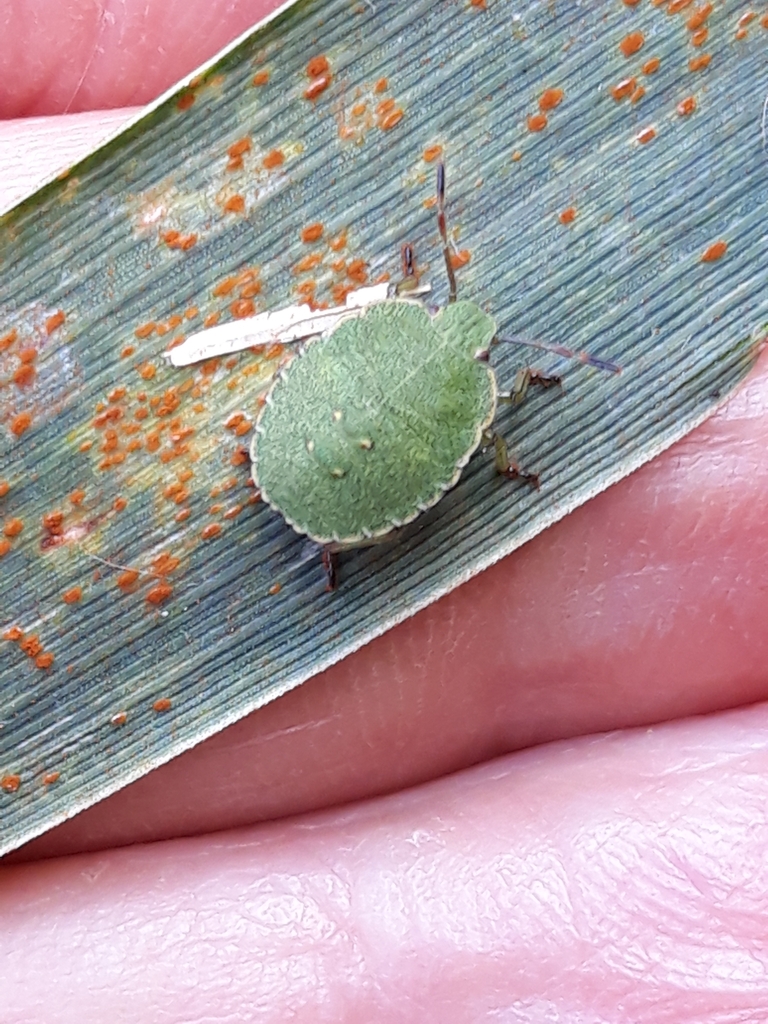
Green shield bug
Palomena prasina
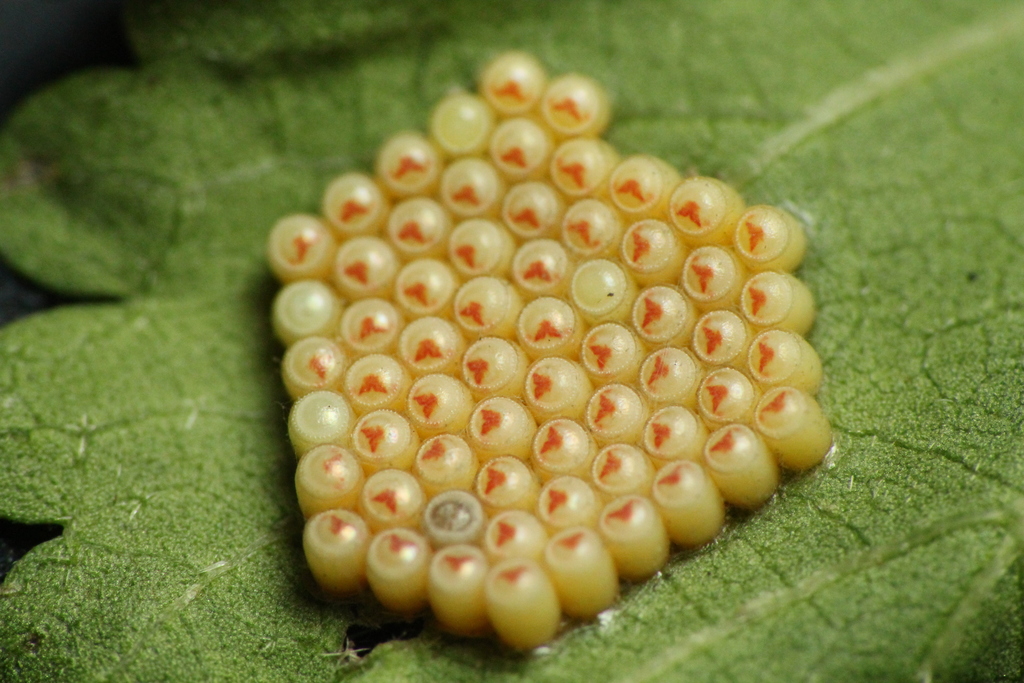
Southern green stink bug
Nezara viridula
≠The key differences
Nezara viridula is slightly larger and more elongate, usually with three small pale spots along the front edge of the scutellum, and has clear rather than brown wing membranes; it is most common in warmer regions.
Palomena prasina (Europe) usually has a more uniformly shaped pronotum margin and different leg/antenna colouring; P. prasina is more olive-green and lacks some Nezara antennal markings.
⚖︎Side by side
| Green shield bug | Southern green stink bug | |
|---|---|---|
| To humans | Non-toxic | Odor nuisance |
| Size | 12-14 mm long | 10-18 mm long (typical adult) |
| Colours | Bright green, Olive green, Brown (autumn form) | Bright green, Pale yellow, Dark brown (antennae markings) |
| Family | Pentatomidae | Pentatomidae |
| Habitat | Woodland edges, hedgerows, gardens, orchards and parks; adults often found on broadleaved trees and shrubs and on herbaceous plants. | Agricultural fields, gardens, hedgerows and other vegetated areas; often on host plants and crop foliage |
| Range | Widespread across Europe, parts of western Asia and North Africa; common in the British Isles and much of continental Europe. | Originally pantropical; now established worldwide in tropical, subtropical and many temperate regions (Africa, Asia, Europe, the Americas, Australasia) |
| Active | Active mainly from spring to autumn; adults most visible in summer and early autumn, often diurnal but also active at dusk. | Warm months and daytime; in warm climates adults can be active much of the year |
| Pest? | Yes | Yes |
🔍How to spot a green shield bug
- Broad, shield-shaped body 12-14 mm long with a large scutellum covering much of the back
- Bright green dorsally in summer, often turning brown or mottled in autumn
- Antennae with darker banding; legs usually green to brown
- When disturbed, may emit a noticeable foul odour (stink) from abdominal glands
🔍How to spot a southern green stink bug
- Bright green, shield-shaped adult 10-18 mm long with a large triangular scutellum covering much of the back
- Antennae usually with darker bands or tipped segments; edges of pronotum or scutellum may have pale margins
- Nymphs are rounded and change from darker, spotted early instars to green in later instars
- Eggs in compact clusters on the underside of leaves
?Frequently asked questions
What is the difference between a green shield bug and a southern green stink bug?
Nezara viridula is slightly larger and more elongate, usually with three small pale spots along the front edge of the scutellum, and has clear rather than brown wing membranes; it is most common in warmer regions. Palomena prasina (Europe) usually has a more uniformly shaped pronotum margin and different leg/antenna colouring; P. prasina is more olive-green and lacks some Nezara antennal markings.
Is a green shield bug or a southern green stink bug more dangerous?
Green shield bug: Non-toxic. Southern green stink bug: Odor nuisance. Not venomous and not dangerous. Nezara viridula does not sting or inject venom.
Identification from photos is never certain: don't handle insects you can't identify, and get medical advice for bites, stings or allergic reactions.