
Eastern bloodsucking conenose vs Western conenose
These two are easy to mix up. Here's how to tell an eastern bloodsucking conenose from a western conenose, and whether either one bites or stings.
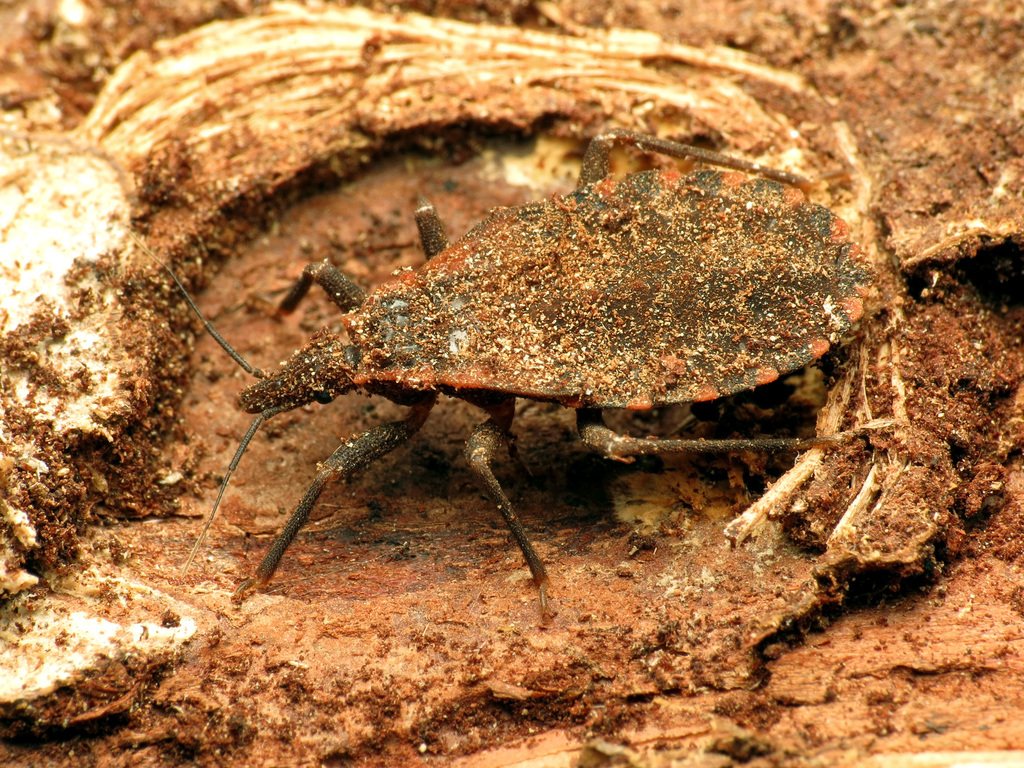
Eastern bloodsucking conenose
Triatoma sanguisuga
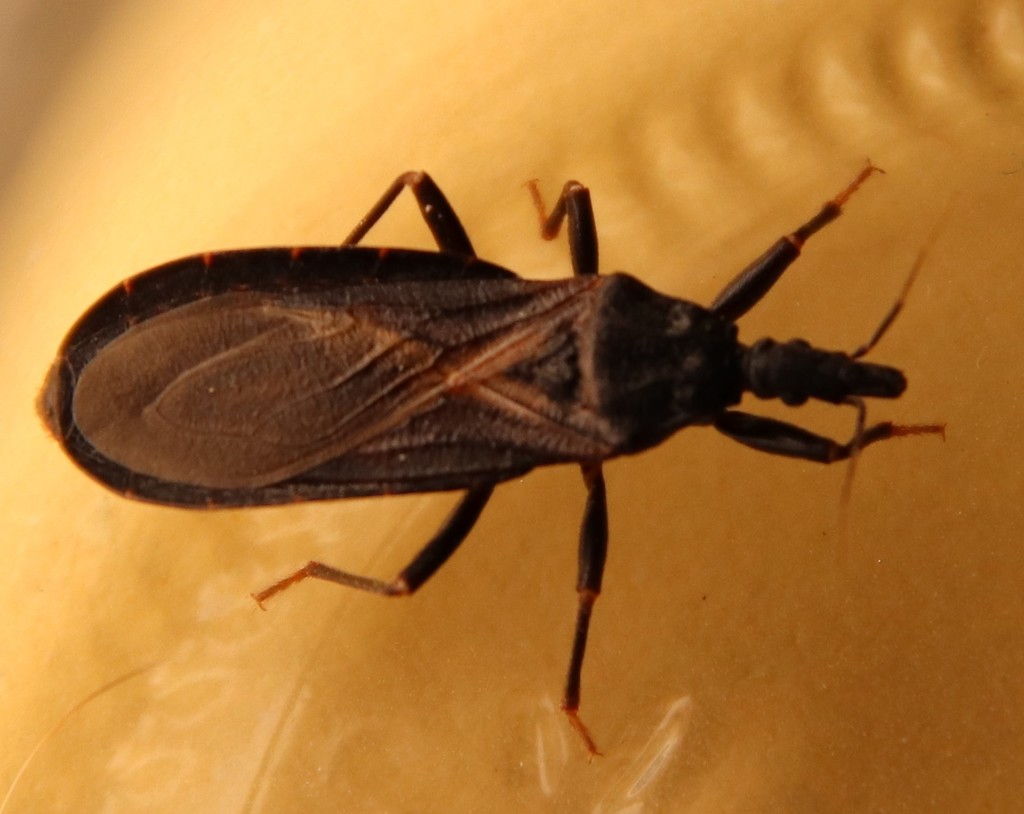
Western conenose
Triatoma protracta
≠The key differences
T. protracta is more common in western North America and shows different patterning; check geography and detailed markings of the pronotum and abdomen for separation.
T. sanguisuga occurs mainly in the eastern and southern United States and has bright red-orange bands along the abdomen edge; geography and colour help distinguish them.
⚖︎Side by side
| Eastern bloodsucking conenose | Western conenose | |
|---|---|---|
| To humans | Potential disease vector | Potential disease vector |
| Size | About 16-21 mm body length | About 14-20 mm body length |
| Colours | Dark brown, Black, Orange-red (abdominal marginal markings) | Dark brown, Reddish brown, Black |
| Family | Reduviidae | Reduviidae |
| Habitat | Wooded edges, brush and rock piles, rodent and bird nests, porches and the cracks and crevices of houses and outbuildings | Dry woodland, chaparral, brush and rocky areas, especially woodrat (packrat) nests; also rock piles, under bark, cracks in buildings and outbuildings. |
| Range | Eastern and southern United States, from the mid-Atlantic states south to Florida and west through the southern Midwest to Texas | Western and southwestern United States (including California, Nevada, Utah, Arizona, New Mexico, Colorado and western Texas) and northern Mexico. |
| Active | Spring through autumn (warm months), mainly nocturnal | Nocturnal feeders; adults and nymphs most active at night and in warm months (spring through fall). |
| Pest? | Yes | Yes |
🔍How to spot an eastern bloodsucking conenose
- Elongate, flattened body with a narrow, cone-shaped head and long beak (proboscis) for blood feeding
- Adults about 16-21 mm long, dark brown to black overall with orange to reddish marginal markings on the abdomen visible when wings are folded
- Nocturnal habits and attraction to lights; often hide in cracks, wall voids, under porch steps or in rodent nests
- Winged adults (wings cover most of the abdomen) while nymphs are wingless until the final molt
🔍How to spot a western conenose
- Elongated, flattened body about 14-20 mm long with a tapered, cone-shaped head (conenose appearance).
- Uniformly dark brown to black, without bright red or orange bands along the abdomen edge; long slender legs and antennae.
- Nocturnal behavior: attracted to lights and often found near animal nests, rodent burrows, or cracks in buildings.
- Presence of a prominent rostrum (beak) folded under the head when inactive.
?Frequently asked questions
What is the difference between an eastern bloodsucking conenose and a western conenose?
T. protracta is more common in western North America and shows different patterning; check geography and detailed markings of the pronotum and abdomen for separation. T. sanguisuga occurs mainly in the eastern and southern United States and has bright red-orange bands along the abdomen edge; geography and colour help distinguish them.
Is an eastern bloodsucking conenose or a western conenose more dangerous?
Eastern bloodsucking conenose: Potential disease vector. Western conenose: Potential disease vector. Triatoma sanguisuga bites to feed on blood. Western conenose bites are often painless at first but can cause itchy swelling, welts or allergic reactions; this species is a known cause of severe allergic reactions, including anaphylaxis, in the western U.S.
Identification from photos is never certain: don't handle insects you can't identify, and get medical advice for bites, stings or allergic reactions.