
Western conenose
Triatoma protracta · Kissing bugs
A nocturnal, blood-feeding kissing bug of the western United States and Mexico that often lives in woodrat nests; it can carry the Chagas disease parasite and its bites can trigger strong allergic reactions.
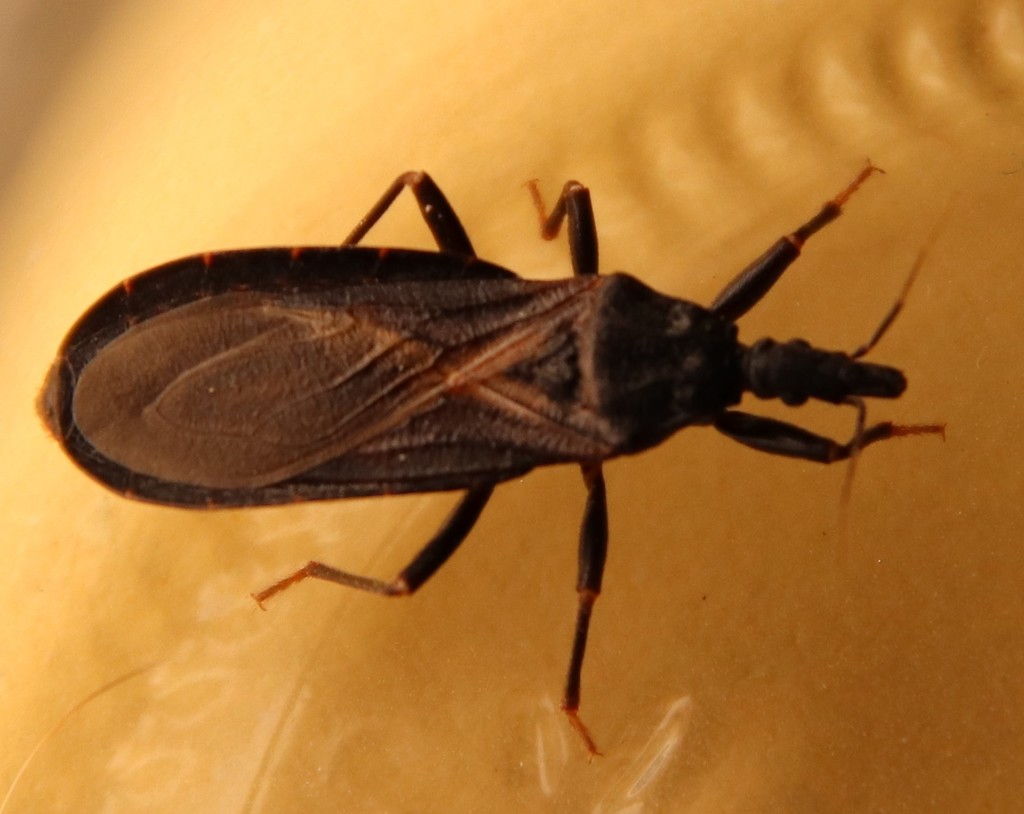
!Is the western conenose dangerous?
Yes, it can be. Western conenose bites are often painless at first but can cause itchy swelling, welts or allergic reactions; this species is a known cause of severe allergic reactions, including anaphylaxis, in the western U.S. Call emergency services and use epinephrine if prescribed if there is difficulty breathing, swelling of the face or throat, dizziness or widespread hives. Triatomine bugs can carry Trypanosoma cruzi, the parasite that causes Chagas disease; transmission requires contamination of the bite site or mucous membranes with infected bug feces and is rare in the U.S. Wash the bite with soap and water and seek medical advice for heavy swelling, signs of infection or systemic symptoms. Do not crush the bug; place it in a sealed container and contact local public health or extension for identification and testing guidance.
Pets
Pets can be bitten and potentially infected with T. cruzi; dogs in endemic areas are known to acquire infection. If a pet has unexplained lethargy, fever, or cardiac signs after exposure, consult a veterinarian.
📖Overview
Western conenose (Triatoma protracta) is a species of triatomine bug found across the western United States and parts of Mexico. Adults and nymphs are blood feeders that hide by day in cracks, rock piles, woodpiles and animal nests and emerge at night to feed, often attracted to lights. They are medically important because members of this group can carry the parasite Trypanosoma cruzi, the cause of Chagas disease; local transmission to humans in the U.S. is rare but possible.
🔍How to identify a western conenose
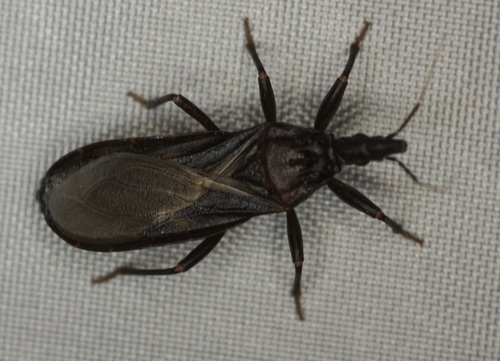
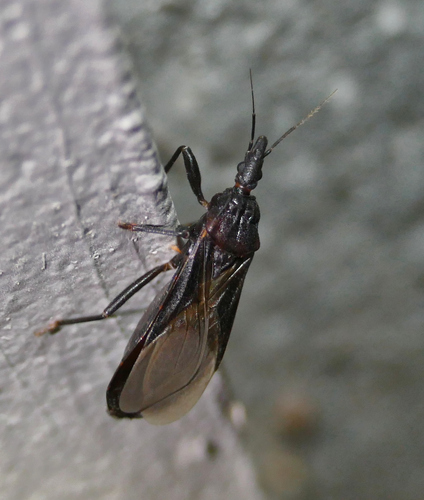
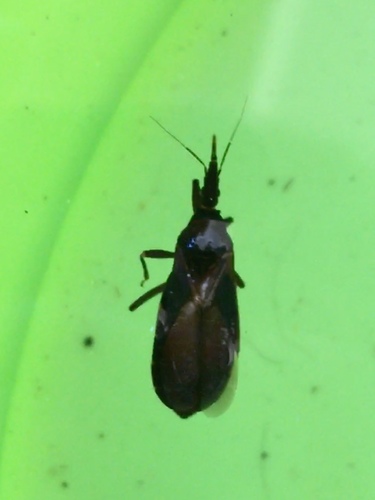
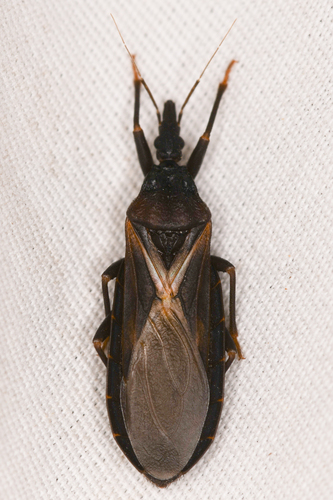
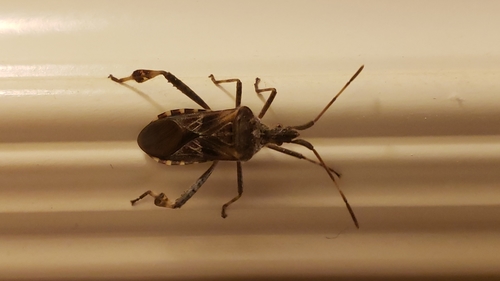
Adults are elongated, somewhat flattened true bugs about 14-20 mm long with a tapered 'cone' shaped head. They are uniformly dark brown to black, lacking the bright red or orange bands on the abdomen edge (connexivum) seen in many other kissing bugs; legs and antennae are long and slender. The rostrum (feeding beak) is prominent and tucked under the head when not feeding. Nymphs resemble adults in form but are smaller and lack fully developed wings.
- Elongated, flattened body about 14-20 mm long with a tapered, cone-shaped head (conenose appearance).
- Uniformly dark brown to black, without bright red or orange bands along the abdomen edge; long slender legs and antennae.
- Nocturnal behavior: attracted to lights and often found near animal nests, rodent burrows, or cracks in buildings.
- Presence of a prominent rostrum (beak) folded under the head when inactive.
Lookalikes
Triatoma rubida Triatoma rubida
T. rubida overlaps in Arizona and Mexico but has orange-red markings along the abdomen edge and a paler, reddish-brown body; T. protracta is uniformly dark.
Eastern bloodsucking conenose Triatoma sanguisuga
T. sanguisuga occurs mainly in the eastern and southern United States and has bright red-orange bands along the abdomen edge; geography and colour help distinguish them.
↻Life cycle
Egg
Females lay clusters of small eggs in sheltered cracks, nests or crevices. Incubation depends on temperature and humidity.
Nymph
Five nymphal instars; each nymph requires a blood meal to molt to the next stage. Nymphs resemble adults but are wingless until the final molt.
Adult
Winged, reproductive stage; adults feed on blood, mate, and females lay egg clusters to continue the cycle.
🍃Diet and predators
Young eat
Blood of mammals, birds and reptiles (host varies by habitat; often small mammals and rodents in sylvatic settings).
Adults eat
Blood of mammals, birds and reptiles; opportunistic and will feed on humans if available.
Predators of the young
Small predators such as ants, spiders and insectivorous arthropods; also birds and small mammals may consume nymphs in nests.
Predators of adults
Birds, bats, reptiles and larger arthropod predators; parasitic wasps and fungal pathogens may affect populations.
🌱Effect on plants and gardens
Does not feed on plants; adults and nymphs feed on the blood of mammals, birds and reptiles and do not damage vegetation.
How to get rid of western conenoses
Reduce attractants and hiding places: seal cracks and gaps in walls and around doors and windows, screen vents, move woodpiles and rock piles away from buildings, remove rodent nests and nesting opportunities, and use outdoor lighting that is less attractive to nocturnal insects. In homes with heavy infestations, contact a licensed pest control professional; insecticide treatments targeted to likely harborage sites can help. Always avoid handling live bugs with bare hands; use gloves or a container.
📍Where and when to find it
Look in cracks and crevices, behind baseboards, in woodpiles, rock piles, rodent nests, chicken coops, and under bark. At night search around outdoor lights and near sleeping animals.
Best time
Warm months (spring through fall), after dusk or at night when bugs are active and attracted to lights.
Observation tips
Photograph without touching—use a jar or container with a lid to capture live specimens if needed and wear gloves. If you find multiple bugs indoors, take photos and contact local extension or public health for identification and advice.
✨Fun facts
- Kissing bugs are named because some species often bite near the mouth or eyes of sleeping hosts.
- Triatomines feed at night and take relatively large blood meals compared with their body size.
- Although they can carry Trypanosoma cruzi, transmission to humans requires contamination of the bite site with infected feces and is uncommon in the U.S.
?Frequently asked questions
Do western conenose bugs bite?
Yes. Both adults and nymphs feed on blood and will bite humans if given the opportunity, usually at night.
Can kissing bugs transmit Chagas disease in the U.S.?
Triatomine bugs can carry Trypanosoma cruzi. Autochthonous transmission to humans in the U.S. is rare but possible; risk is higher where infected wildlife and domestic animals are common.
Why is a conenose bug in my house?
They enter homes seeking blood meals or suitable hiding places, are attracted to lights at night, or may come in with nesting materials, firewood or rodents.
How do I get rid of them?
Seal entry points, remove rodent nests and piles of wood or rock near buildings, reduce outdoor lighting at night, and use a pest professional for insecticide treatment of harborage sites if needed. Avoid handling live bugs with bare hands.
Are their bites dangerous?
Yes, it can be. Bites usually cause itchy local swelling, but some people have severe allergic reactions including anaphylaxis, which needs epinephrine and emergency services. The main long-term risk is potential transmission of T. cruzi, which is rare in the U.S. Seek medical advice if you suspect exposure to an infected bug.
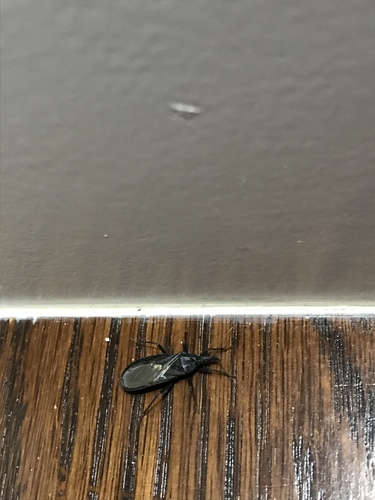
📷Photos of the western conenose
More true bugs, cicadas & aphids
Bites cause itching
Non-venomous nuisance
Non-toxic
Smelly secretion
Potential disease vector
Painful bite
This guide was written with AI assistance and fact-checked, last updated 2026-10-10. Identification from photos is never certain: don't handle insects you can't identify, and get medical advice for bites, stings or allergic reactions. More about the western conenose: iNaturalist, Wikipedia.