
Bat bug
Cimex pilosellus · Bat bugs and bed bugs
A blood-feeding, bat-associated insect closely resembling the common bed bug that sometimes bites humans when bats are absent.
!Is the bat bug dangerous?
Only mildly. Bat bugs feed on blood and will bite humans if bats are absent or if infestations spread into living areas. Bites usually cause localized redness, itching, and sometimes allergic reactions; they are not known to transmit human infectious diseases. First aid: clean bites with soap and water, apply an antiseptic and a cold compress for swelling; use topical anti-itch treatments or oral antihistamines if needed. Seek medical attention for severe allergic reactions or signs of infection.
Pets
Pet effects are usually limited to nuisance bites and possible irritation; severe reactions are uncommon. Bat bugs prefer mammalian hosts and may bite pets if available.
📖Overview
Cimex pilosellus is a small, wingless, blood-feeding insect in the family Cimicidae. It is primarily associated with bats and typically lives in or near bat roosts (attics, caves, barns). Like other cimicids, it hides in cracks and crevices by day and comes out to feed at night. If its preferred bat hosts are removed or unavailable, it may move onto humans and domestic animals and enter houses.
Behaviorally and ecologically it is similar to bed bugs: nocturnal, hides close to sleeping hosts, and survives long periods without feeding. It is not known to transmit human disease, but bites can cause local irritation and allergic reactions in sensitive people. Control focuses on excluding or treating bat roosts and treating living spaces if the bugs move into the home.
🔍How to identify a bat bug
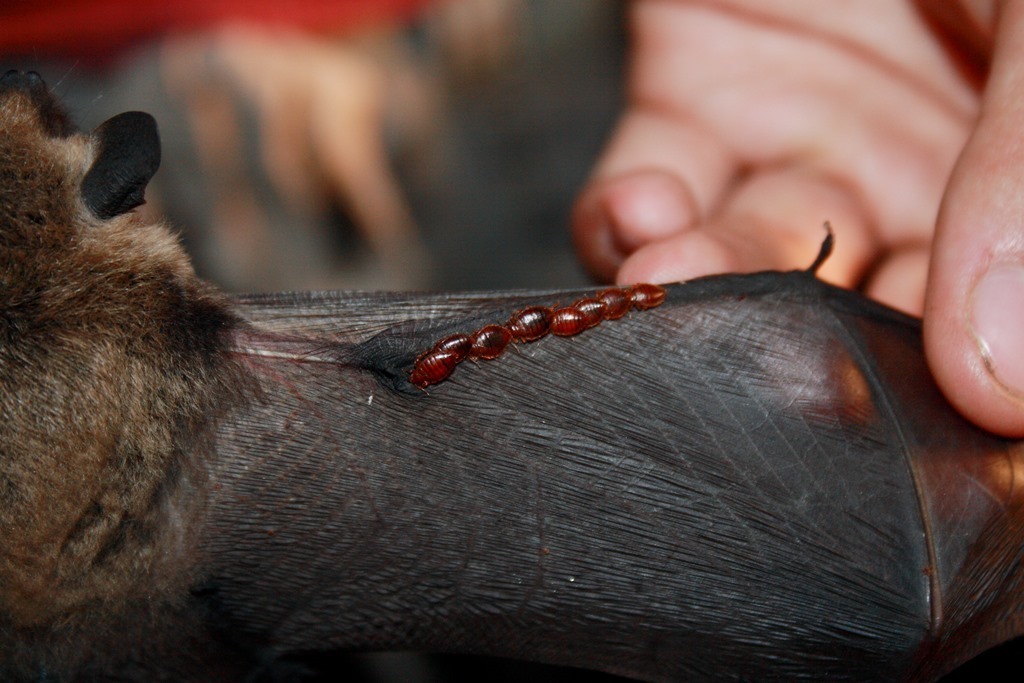
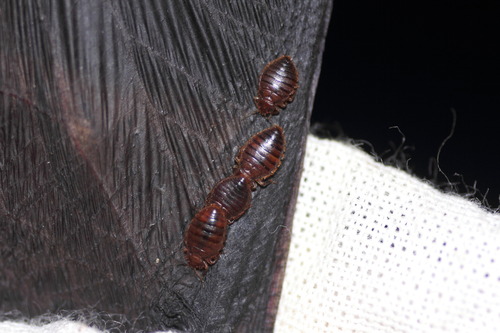
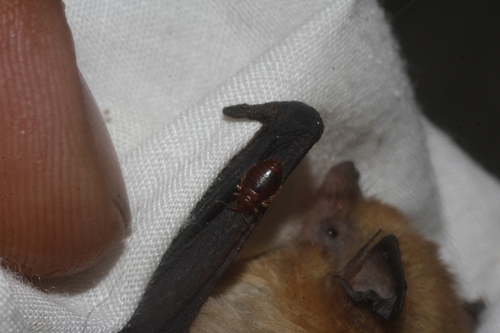
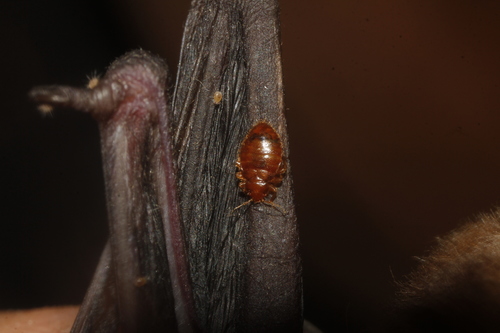
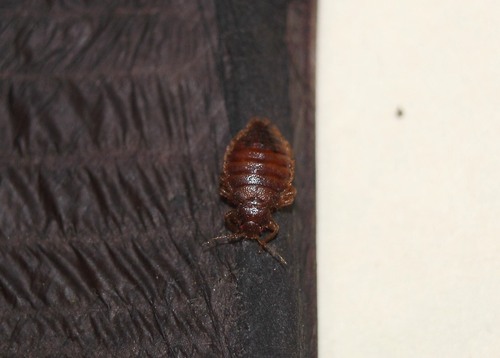
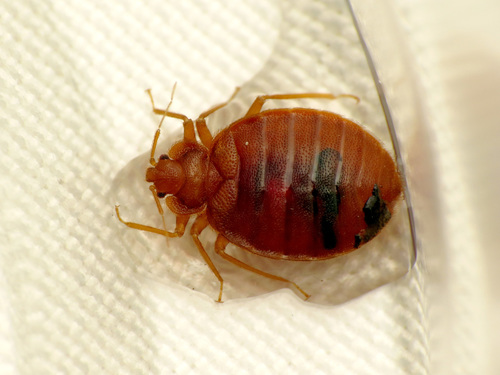
Adults are small, flattened, oval, and wingless, about the size of a lentil. They are broadly similar in shape to bed bugs. Key identifying features used by specialists include longer, erect hairs on the pronotum (the plate behind the head) compared with bed bugs and small differences in leg and body proportions visible under magnification. Unfed adults are flattened and reddish-brown; after feeding they become swollen and darker.
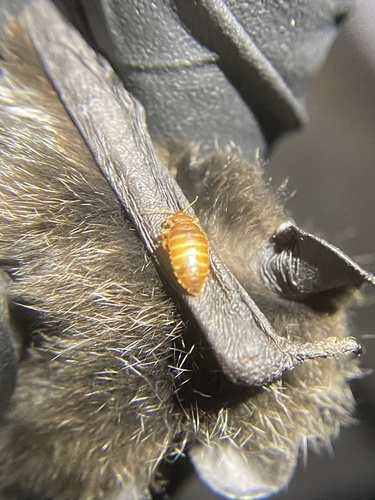
Nymphs (immature stages) look like smaller, translucent to pale yellow versions of the adults and become browner as they moult. Eggs are small, white and cigar-shaped, laid in clusters in cracks and crevices.
- Look for small, flattened, wingless reddish-brown insects 4-6 mm long hiding in seams, cracks and behind baseboards.
- Association with bats or recent bat roosts is a strong clue — bat bugs are most often found near bat colonies.
- Under magnification, bat bugs have longer erect hairs on the pronotum compared with bed bugs; specialists use these and other subtle morphological characters to separate species.
- Bite patterns and nocturnal feeding habits are similar to bed bugs, so identification by behavior alone is not definitive.
Lookalikes
Common bed bug Cimex lectularius
Bed bugs are typically associated with humans and human dwellings; under magnification bed bugs have shorter pronotal hairs and slightly different body proportions. Host association (humans vs bats) helps separate them in practice.
Tropical bed bug Cimex hemipterus
Similar in appearance; generally found in warmer tropical regions and associated with humans rather than bats.
↻Life cycle
Egg
Small white eggs laid in sheltered cracks near roosts; hatch in about 6-20 days depending on temperature.
Nymph (immature)
Nymphs go through five instars; each stage must feed on blood before moulting to the next. Nymphal development time depends on temperature and host availability.
Adult
Sexually mature, blood-feeding adults that mate and continue the cycle; adults can survive long fasting periods.
🍃Diet and predators
Young eat
Blood of bats (primary) and opportunistically other mammals including humans if bats are absent
Adults eat
Blood of bats and occasionally other mammals, including humans
Predators of the young
Spiders, ants, small predatory insects, some parasitic mites
Predators of adults
Spiders, ants, centipedes and other invertebrate predators found in roosts
🌱Effect on plants and gardens
Not a plant pest; does not feed on plants or crops
How to get rid of bat bugs
Humane, practical control focuses on removing or excluding the bat hosts: locate and seal entry points after bats have left for the season or a wildlife professional has safely evicted them; clean and decontaminate roost areas. Inside a house, vacuum visible bugs, wash bedding at high temperature, and reduce hiding places by sealing cracks and crevices. For established indoor infestations, professional pest control is recommended; they may use targeted insecticide treatments and heat treatments. Do not attempt to exclude bats during the summer pup-rearing (maternity) season without a wildlife professional—bat exclusion is regulated in many areas.
📍Where and when to find it
Look in attic corners, behind loose insulation, in crevices of roosting sites, in seams of bat boxes, and near bat entry points. Nymphs and eggs are in the same sheltered cracks as adults.
Best time
Night for observing active feeding; inspect roost sites and attic spaces year-round, especially during bat maternity seasons when bat bugs may be abundant.
Observation tips
Wear gloves and a mask when inspecting bat roosts. Use a bright flashlight and a small mirror to check voids and behind insulation. If you suspect bat bugs, also check for signs of bats (droppings, staining, chirping).
✨Fun facts
- Bat bugs evolved to feed on bats and have life histories tied to bat roosts; they only become household pests when bats or their nesting sites are near people.
- Like bed bugs, bat bugs can survive many months without a blood meal, which makes infestations persistent once established.
- Because they hide in cracks and behind insulation, infestations may persist in attics and wall voids unnoticed until bats leave or the bugs move toward human sleeping areas.
?Frequently asked questions
Do bat bugs bite humans?
Yes, bat bugs will bite humans if their bat hosts are absent or if infestations spread into living areas. Bites usually cause redness and itching.
Are bat bug bites dangerous?
Bites are generally not dangerous and bat bugs are not known to transmit human disease, but bites can be itchy and cause allergic reactions in some people.
Why do I have bat bugs in my house?
Bat bugs are usually present where bats roost. If bats live in your attic, chimney or walls, bat bugs may be present and can move into living spaces when bats are gone or if infestation grows.
How do I get rid of bat bugs?
Address the bat roost first: safely exclude or remove bats with help from wildlife professionals, then clean and treat affected areas. Vacuuming, laundering bedding, sealing cracks and professional pest control (insecticides or heat treatments) are commonly needed for indoor infestations.
How can I tell a bat bug from a bed bug?
They look very similar. Host association (bats present) is the easiest field clue. Specialists use microscopic characters such as longer erect hairs on the pronotum of bat bugs to tell them apart.
📷Photos of the bat bug
More true bugs, cicadas & aphids
Bites cause itching
Non-venomous nuisance
Non-toxic
Smelly secretion
Potential disease vector
Painful bite
This guide was written with AI assistance and fact-checked, last updated 2026-10-10. Identification from photos is never certain: don't handle insects you can't identify, and get medical advice for bites, stings or allergic reactions. More about the bat bug: iNaturalist, Wikipedia.