
Bed bug vs Bat bug
These two are easy to mix up. Here's how to tell a bed bug from a bat bug, and whether either one bites or stings.
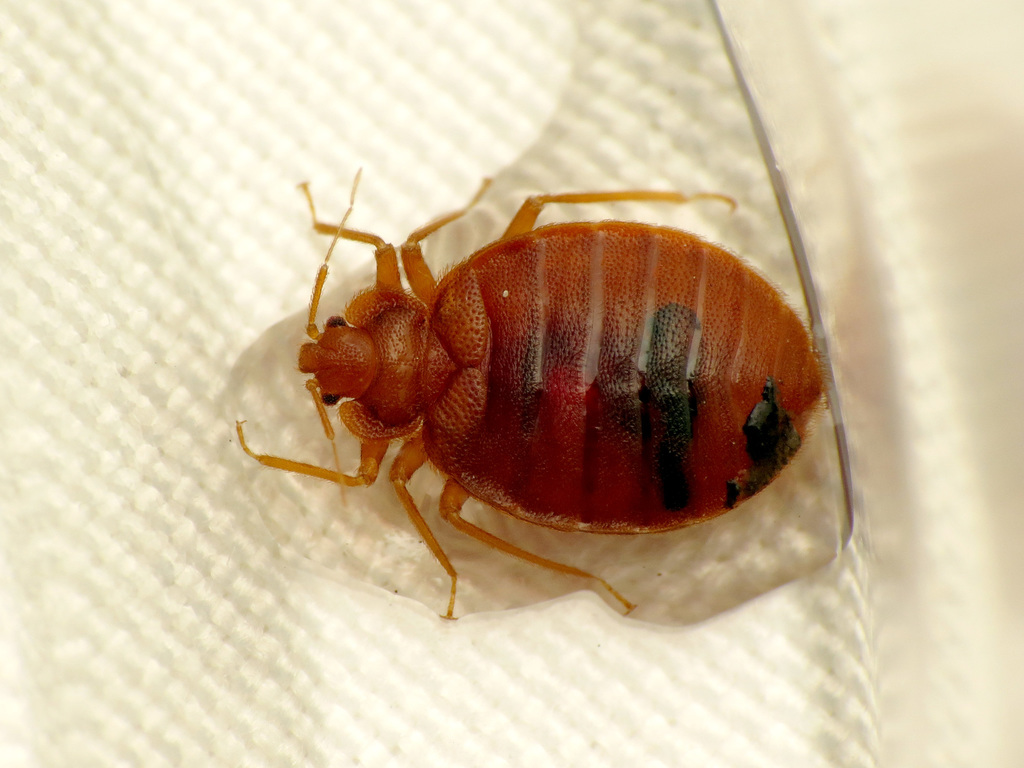
Bed bug
Cimex lectularius
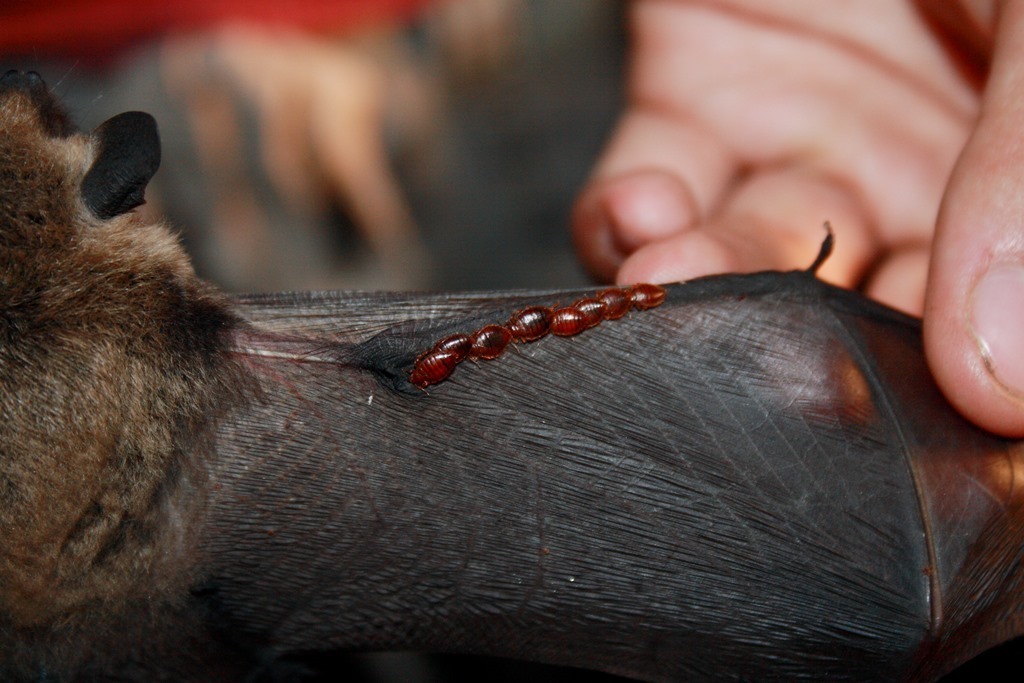
Bat bug
Cimex pilosellus
≠The key differences
Bat bugs are closely related and similar in appearance but are primarily associated with bats. Presence of bats in the structure suggests bat bugs rather than human-associated bed bugs.
Bed bugs are typically associated with humans and human dwellings; under magnification bed bugs have shorter pronotal hairs and slightly different body proportions. Host association (humans vs bats) helps separate them in practice.
⚖︎Side by side
| Bed bug | Bat bug | |
|---|---|---|
| To humans | Bites cause itching | Bites can irritate |
| Size | 4-7 mm long | 4-6 mm long |
| Colours | Reddish brown, Light brown, Pale white (eggs and unfed nymphs) | Reddish-brown, Dark brown, Pale yellow (nymphs) |
| Family | Cimicidae | Cimicidae |
| Habitat | Human dwellings: mattresses, box springs, bed frames, headboards, nearby furniture, electrical outlets, behind wallpaper and baseboards | Roost sites of bats (attics, cave crevices, barns), cracks and voids in buildings near bat colonies |
| Range | Cosmopolitan in temperate regions worldwide; common in cities and transported via luggage, furniture and clothing | Mainly western North America, where it lives with bats in roosts and buildings; other Cimex bat bug species occur elsewhere, such as Cimex adjunctus in the east |
| Active | Nocturnal feeders; activity increases at night but they will feed in darkness or dim light | Nocturnal feeders; active year-round where bats roost indoors and seasonally where bats are migratory |
| Pest? | Yes | Yes |
🔍How to spot a bed bug
- Look for small, oval, flattened reddish-brown adults about 4-7 mm long, especially along mattress seams and bed frames
- Find tiny white eggs and pale nymphs in cracks, or dark rusty spots of digested blood on bedding and furniture
- Detect sweet, musty odor in heavy infestations and live bed bugs visible at night when disturbed
🔍How to spot a bat bug
- Look for small, flattened, wingless reddish-brown insects 4-6 mm long hiding in seams, cracks and behind baseboards.
- Association with bats or recent bat roosts is a strong clue — bat bugs are most often found near bat colonies.
- Under magnification, bat bugs have longer erect hairs on the pronotum compared with bed bugs; specialists use these and other subtle morphological characters to separate species.
- Bite patterns and nocturnal feeding habits are similar to bed bugs, so identification by behavior alone is not definitive.
?Frequently asked questions
What is the difference between a bed bug and a bat bug?
Bat bugs are closely related and similar in appearance but are primarily associated with bats. Presence of bats in the structure suggests bat bugs rather than human-associated bed bugs. Bed bugs are typically associated with humans and human dwellings; under magnification bed bugs have shorter pronotal hairs and slightly different body proportions. Host association (humans vs bats) helps separate them in practice.
Is a bed bug or a bat bug more dangerous?
Bed bug: Bites cause itching. Bat bug: Bites can irritate. Bed bugs bite to feed on blood. Bat bugs feed on blood and will bite humans if bats are absent or if infestations spread into living areas.
Identification from photos is never certain: don't handle insects you can't identify, and get medical advice for bites, stings or allergic reactions.