
Bed bug vs Tropical bed bug
These two are easy to mix up. Here's how to tell a bed bug from a tropical bed bug, and whether either one bites or stings.
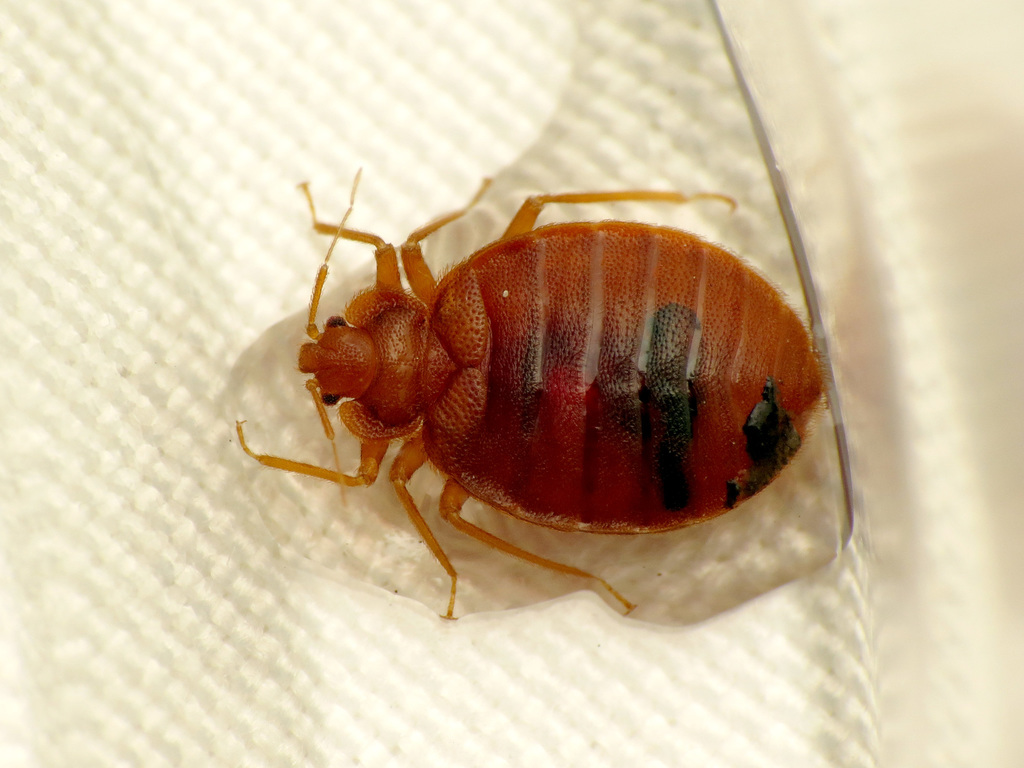
Bed bug
Cimex lectularius
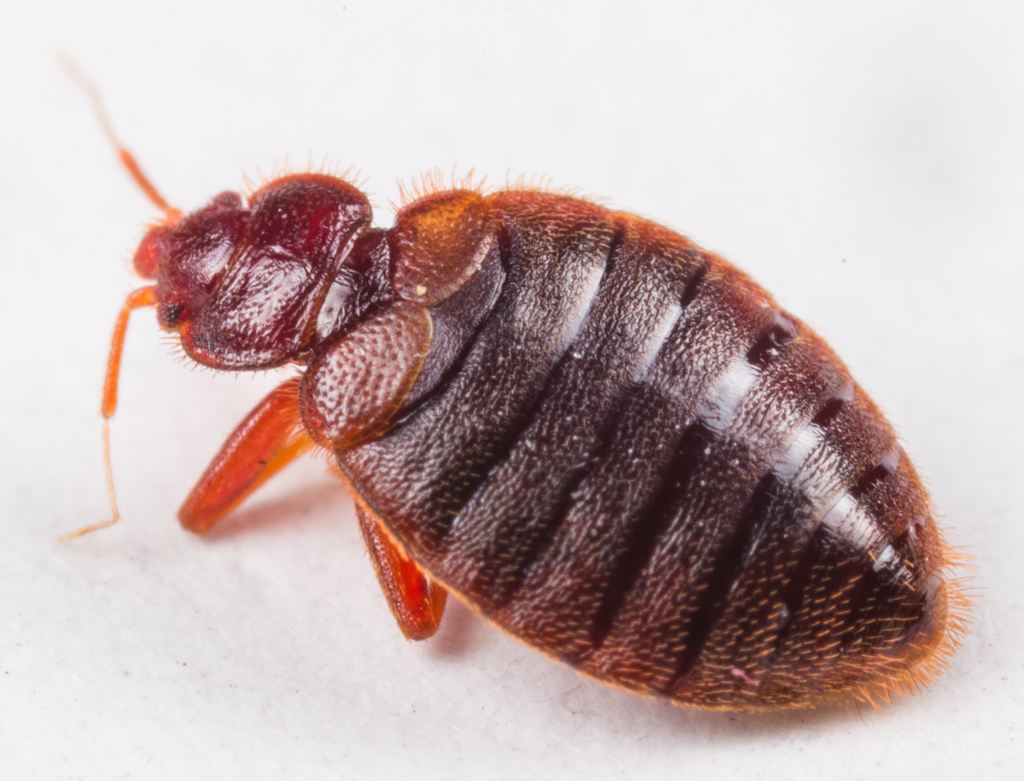
Tropical bed bug
Cimex hemipterus
≠The key differences
Tropical bed bug is similar in appearance; Cimex hemipterus prefers warmer climates and is more common in tropical regions.
Cimex lectularius is more common in temperate regions and has subtle morphological differences (shape of pronotum and certain genital features) visible to specialists; in the field, distribution and climate (temperate vs tropical) and genetic testing help distinguish them.
⚖︎Side by side
| Bed bug | Tropical bed bug | |
|---|---|---|
| To humans | Bites cause itching | Biting pest |
| Size | 4-7 mm long | 4-6 mm long |
| Colours | Reddish brown, Light brown, Pale white (eggs and unfed nymphs) | Brown, Dark brown, Reddish (after feeding) |
| Family | Cimicidae | Cimicidae |
| Habitat | Human dwellings: mattresses, box springs, bed frames, headboards, nearby furniture, electrical outlets, behind wallpaper and baseboards | Human dwellings: mattresses, bed frames, headboards, furniture seams, wall cracks, electrical outlets and luggage |
| Range | Cosmopolitan in temperate regions worldwide; common in cities and transported via luggage, furniture and clothing | Pantropical and subtropical regions worldwide; occurs mainly in Africa, South and Southeast Asia, parts of Australia and Central/South America, and in warm indoor environments elsewhere |
| Active | Nocturnal feeders; activity increases at night but they will feed in darkness or dim light | Nocturnal feeders; active year-round indoors in warm climates or heated buildings |
| Pest? | Yes | Yes |
🔍How to spot a bed bug
- Look for small, oval, flattened reddish-brown adults about 4-7 mm long, especially along mattress seams and bed frames
- Find tiny white eggs and pale nymphs in cracks, or dark rusty spots of digested blood on bedding and furniture
- Detect sweet, musty odor in heavy infestations and live bed bugs visible at night when disturbed
🔍How to spot a tropical bed bug
- Adults 4-6 mm long, wingless, flattened, oval, brown to reddish-brown; resembles an apple seed
- Look for small dark fecal spots, shed skins (exuviae) and tiny white eggs in mattress seams, bed frames and furniture joints
- Bite patterns: clusters or linear bites on exposed skin after sleep — though bites alone do not confirm bed bugs
- Use a flashlight and magnifier to inspect seams, tufts, electrical outlet covers and behind headboards
?Frequently asked questions
What is the difference between a bed bug and a tropical bed bug?
Tropical bed bug is similar in appearance; Cimex hemipterus prefers warmer climates and is more common in tropical regions. Cimex lectularius is more common in temperate regions and has subtle morphological differences (shape of pronotum and certain genital features) visible to specialists; in the field, distribution and climate (temperate vs tropical) and genetic testing help distinguish them.
Is a bed bug or a tropical bed bug more dangerous?
Bed bug: Bites cause itching. Tropical bed bug: Biting pest. Bed bugs bite to feed on blood. Tropical bed bugs bite at night and inject saliva that can cause itchy, red welts and sometimes allergic reactions.
Identification from photos is never certain: don't handle insects you can't identify, and get medical advice for bites, stings or allergic reactions.