
Bed bug
Cimex lectularius · Bed bugs
Small, blood-feeding insect that hides in beds and furniture and causes itchy bites; a widespread indoor pest.
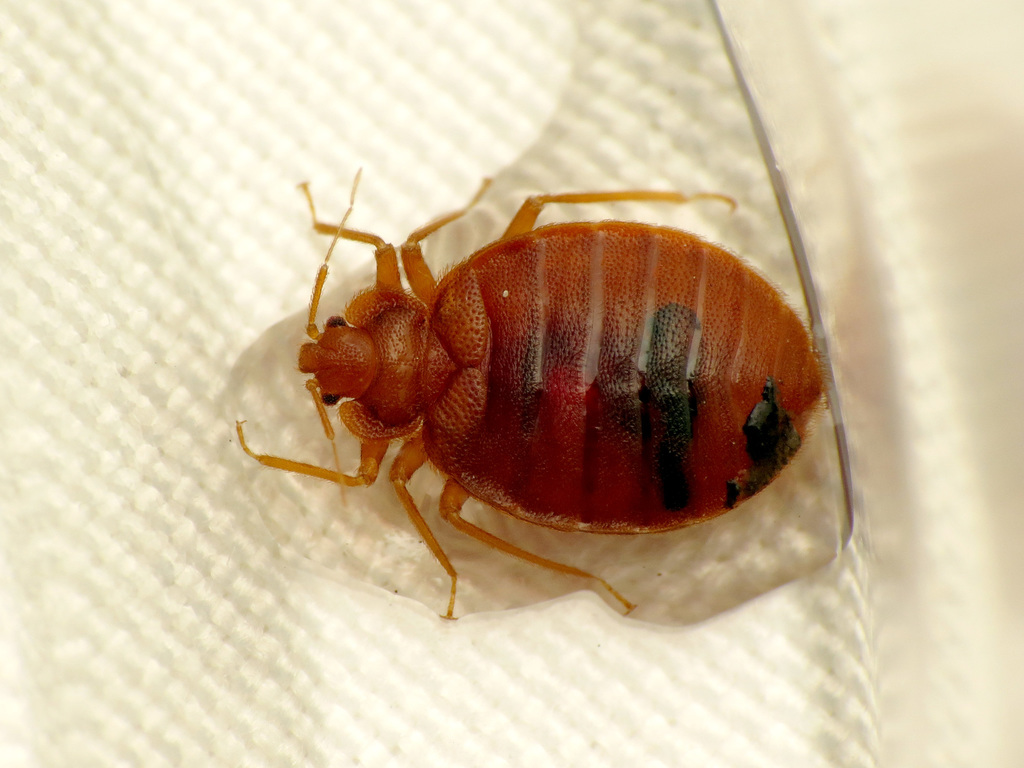
!Is the bed bug dangerous?
Yes, it can be. Bed bugs bite to feed on blood. Bites typically cause red, itchy welts; some people have stronger allergic reactions. Secondary infection from scratching is possible. Bed bugs are not known to be effective vectors of human disease in typical household settings. For bite care: wash the area with soap and water, apply a cold compress to reduce swelling, and use topical antipruritics or oral antihistamines if needed. Seek medical care for severe allergic reactions or signs of infection.
Pets
Pets can be bitten and irritated by bed bugs, causing itching and localized skin problems. Bed bugs prefer humans but will feed on dogs and cats if available. Treating the environment is necessary to protect pets; do not rely on pet topical insecticides unless advised by a veterinarian.
📖Overview
Cimex lectularius is a small, wingless, blood-feeding insect that specializes on sleeping hosts, most commonly humans. Adults hide in cracks and seams of mattresses, bed frames, baseboards and furniture during the day and come out at night to feed. Infestations can be persistent and hard to eliminate because of hiding behavior and growing resistance to some insecticides. Bed bugs do not transmit infectious diseases in normal household settings but their bites can cause itching, allergic reactions and stress.
🔍How to identify a bed bug
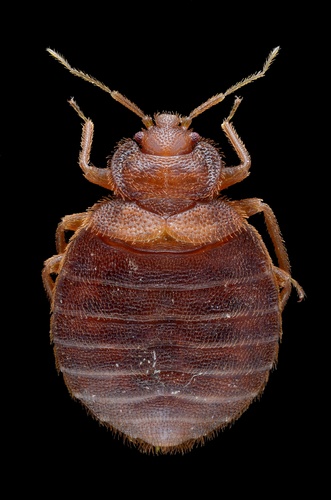
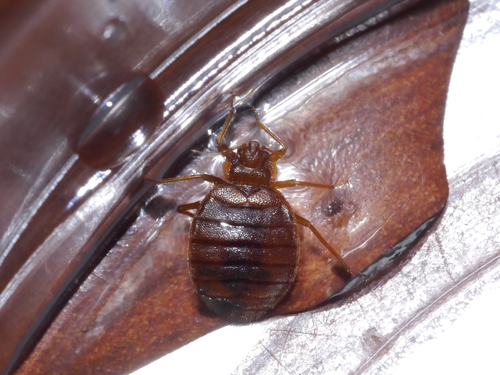
Adults are oval, flattened and about the size of an apple seed when unfed, swelling and turning darker-red after a blood meal. They have short, segmented antennae and small, nonfunctional wing pads. Nymphs (immatures) look like smaller translucent versions of adults and become progressively darker as they moult. Eggs are tiny, white and cigar-shaped, laid in clusters in protected cracks and seams.
- Look for small, oval, flattened reddish-brown adults about 4-7 mm long, especially along mattress seams and bed frames
- Find tiny white eggs and pale nymphs in cracks, or dark rusty spots of digested blood on bedding and furniture
- Detect sweet, musty odor in heavy infestations and live bed bugs visible at night when disturbed
Lookalikes
Tropical bed bug Cimex hemipterus
Tropical bed bug is similar in appearance; Cimex hemipterus prefers warmer climates and is more common in tropical regions.
Bat bug Cimex adjunctus
Bat bugs are closely related and similar in appearance but are primarily associated with bats. Presence of bats in the structure suggests bat bugs rather than human-associated bed bugs.
↻Life cycle
Egg
Tiny, white, 1 mm eggs laid in clusters in protected crevices. Eggs hatch in about 6-17 days depending on temperature.
Nymph
Five nymphal instars; each requires a blood meal to moult. Nymphs resemble small translucent adults and range from about 1.5 mm upward.
Adult
Sexually mature, blood-feeding adults; females lay multiple eggs per day under good conditions. Adults can survive months without feeding.
🍃Diet and predators
Young eat
Blood from warm-blooded hosts, typically humans
Adults eat
Blood from warm-blooded hosts, typically humans
Predators of the young
Some spiders, ants and centipedes will prey on exposed bed bugs; however, predators are generally not effective for control inside homes
Predators of adults
Spiders, certain ants and predatory beetles may eat adult bed bugs when encountered, but natural predation does not eliminate infestations in buildings
🌱Effect on plants and gardens
Bed bugs do not feed on plants and have no direct impact on gardens or crops.
How to get rid of bed bugs
Integrated approach works best: wash and dry bedding and clothing at high heat (60 degrees C or hotter) for at least 30 minutes; launder and seal clean items in plastic; vacuum mattresses, seams and crevices and dispose of vacuum bag contents immediately; use mattress encasements designed for bed bugs; reduce clutter and seal cracks in baseboards. Heat treatments (professional whole-room heat) and steam can kill all life stages. Professional pest control is recommended for moderate to severe infestations; note that populations with resistance to some insecticides are common, so choose licensed pest control operators who use integrated methods.
📍Where and when to find it
Check mattress seams, box springs, headboards, bed frames, baseboards, behind wallpaper, picture frames and furniture joints. Look for live bugs, shed skins, eggs and dark fecal spots.
Best time
Nighttime when they feed, but inspections are often done in daylight by inspecting hiding places. Year-round in heated buildings.
Observation tips
Use a bright light and a magnifying glass to inspect seams and crevices. Place interceptors under bed legs to monitor movement. When photographing, include scale like a coin and capture close-ups of the dorsal shape and any fecal spots.
✨Fun facts
- Bed bugs have been human parasites for thousands of years and were common long before modern pest control.
- They locate hosts by sensing body heat and carbon dioxide.
- Adults can survive for many months without feeding when temperatures are cool.
?Frequently asked questions
Do bed bugs bite?
Yes. Both nymphs and adults feed on blood and their bites typically cause itchy red welts.
Are bed bug bites dangerous?
Bites are usually painless at the time and not dangerous; they can cause allergic reactions or secondary infection from scratching. Bed bugs are not known to commonly transmit diseases.
Why are there bed bugs in my house?
Bed bugs are usually brought in on luggage, used furniture, clothing or by visitors. They congregate where people sleep because that provides regular blood meals.
How do I get rid of bed bugs?
Combine methods: launder bedding on hot settings, vacuum and steam clean hiding places, use mattress encasements, reduce clutter, and for moderate to heavy infestations hire a licensed pest control professional experienced with heat and integrated treatments.
Can I treat bed bugs myself with insecticide?
Some over-the-counter products work on contact, but many bed bug populations show resistance to common insecticides. Improper use risks spreading them and exposes occupants to chemicals. Professional integrated approaches are safer and more effective for significant infestations.
📷Photos of the bed bug
More true bugs
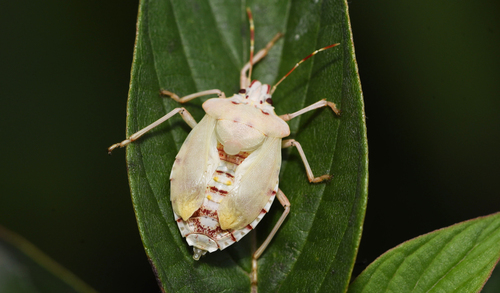
Non-venomous nuisance
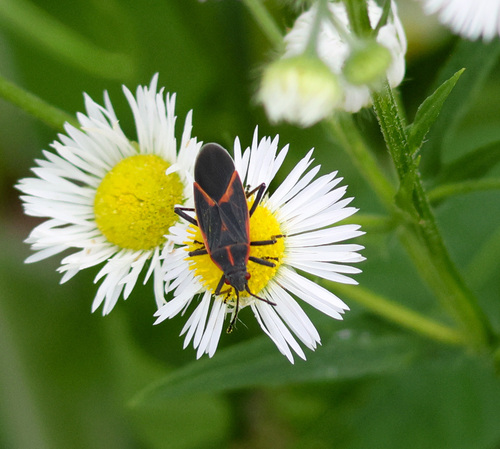
Non-toxic
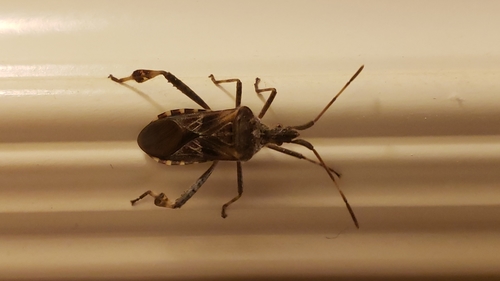
Smelly secretion
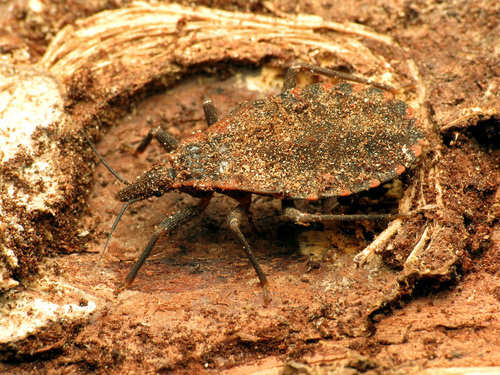
Potential disease vector
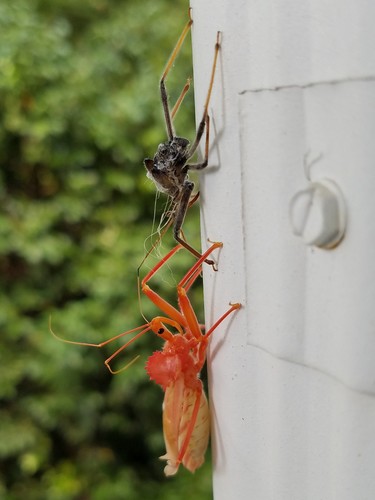
Painful bite
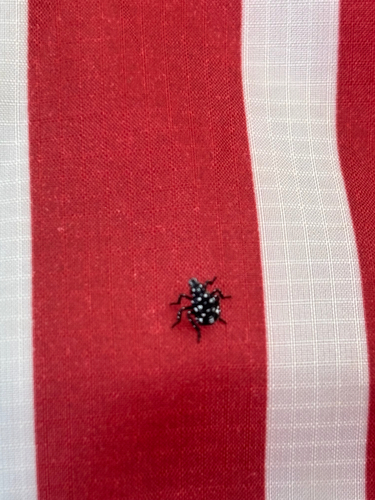
Non-toxic
This guide was written with AI assistance and fact-checked, last updated 2026-10-09. Identification from photos is never certain: don't handle insects you can't identify, and get medical advice for bites, stings or allergic reactions.