
Bugs that look like bed bugs: how to tell if it's really a bed bug
Finding a small brown bug in your bed is alarming, but many of the bugs people find there aren't bed bugs. Carpet beetles, booklice, cockroach nymphs and fleas are all common in bedrooms and are much easier to deal with.
A few features tell a bed bug apart. Check them first, then compare your bug with the lookalikes below. If you can, catch it on a piece of clear tape so you can look at it closely.
How to recognise a real bed bug
Adult bed bugs are about 5 mm long, the size and shape of an apple seed: flat, oval and reddish-brown, with no wings. After feeding they swell up and turn darker red. Young bed bugs (nymphs) are smaller, 1-4 mm, and pale yellowish until they feed.
They have six legs and short antennae, and they move slowly. They hide in the seams and tufts of mattresses, box springs, headboards, bed frames and furniture near the bed, and come out at night to feed.
The signs are often easier to find than the bugs: small dark spots like marker dots on the mattress seams and sheets, pale shed skins, tiny white eggs about 1 mm long, and itchy bites, often in a line or cluster, that appear after sleeping.
In warm regions, including the tropics and parts of the southern US, the tropical bed bug looks almost the same and is treated the same way.
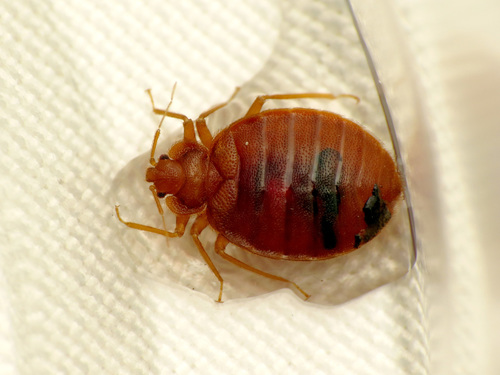
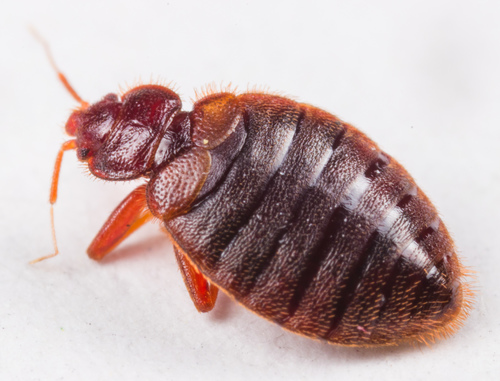
The closest lookalike: bat bugs
Bat bugs are so similar to bed bugs that even pest professionals check them under magnification. The difference is in the hairs on the front part of the body behind the head: in bat bugs they're longer, at least as long as the width of the eye.
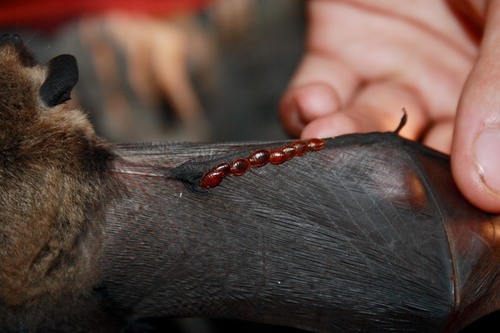
Where you find them is the better clue. Bat bugs live with bats in attics, chimneys and wall voids. They bite people when bats leave or are removed, so they're often found on walls and ceilings and in rooms near the roost, not only in beds.
Treating the bedroom alone won't stop bat bugs: the bats need to be excluded safely, at the right time of year, and the roost cleaned. Bats are protected in many places, so use a wildlife professional.
Small, round and patterned: carpet beetles
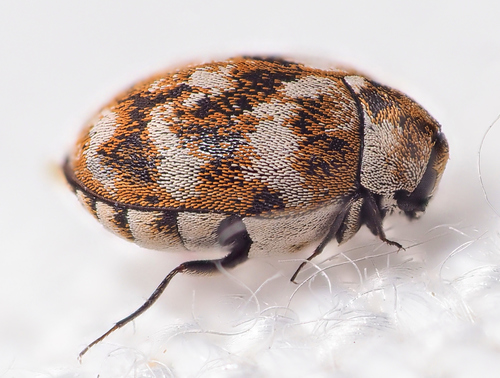
Adult varied carpet beetles are tiny (2-3 mm), round beetles with a mottled pattern of white, brown and yellow scales. They're often found on windowsills, because they're attracted to light.
Their larvae are more often mistaken for bed bugs: small, brown, hairy and carrot-shaped, found in carpets, closets, under furniture and in bedding. Contact with the larvae's hairs can cause an itchy rash that people often mistake for bed bug bites, but carpet beetles don't bite.
Vacuum carpets, edges and closets thoroughly and wash or freeze affected fabrics.
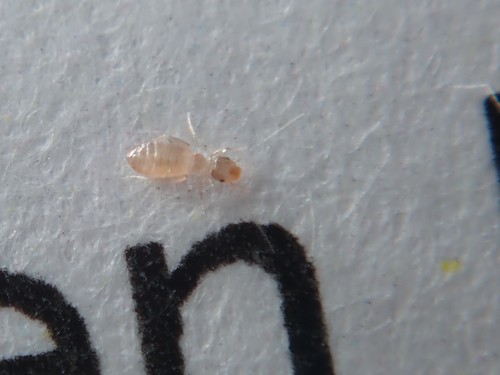
Tiny and pale: booklice
Booklice are about 1-2 mm long, pale and soft-bodied, with no wings. They run fast and are found in damp places: on books and papers, in food cupboards, on window frames and on damp mattresses. Bed bug nymphs are flatter and slower, and turn red after feeding.
Booklice feed on mould and don't bite. Lowering the humidity with ventilation or a dehumidifier gets rid of them.
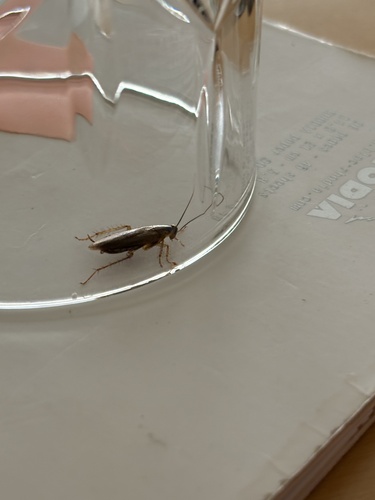
Brown and fast: cockroach nymphs and pantry beetles
German cockroach nymphs are small, dark brown to blackish, with a pale stripe down the middle of the back. Unlike bed bugs, they run very fast and have long antennae. They're usually in kitchens and bathrooms, but a large infestation spreads to bedrooms.
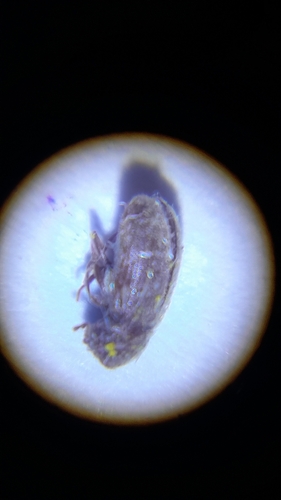
The drugstore beetle is a tiny (2-3.5 mm), reddish-brown, cylindrical beetle with its head tucked under. It comes from dried food, spices and pet food, and can fly, which bed bugs can't. Neither of them bites.
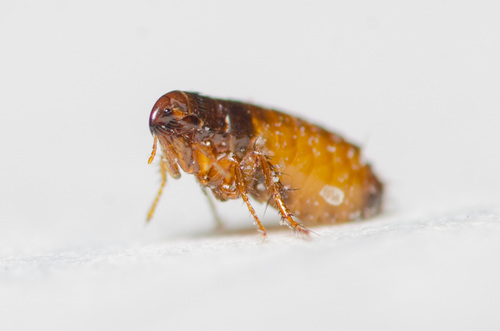
Bugs that bite but aren't bed bugs: fleas and ticks
Cat fleas are 1.5-3 mm, dark brown and flattened from side to side, so they look narrow from above. They jump. Flea bites are usually around the ankles and lower legs, and pets scratching is a strong clue.
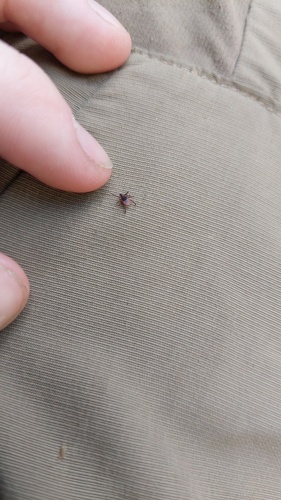
Ticks have eight legs, not six. Unfed ticks are flat and oval like bed bugs, but they stay attached to the skin to feed, and you pick them up outdoors. Deer tick nymphs are as small as a poppy seed. Remove a tick with fine-tipped tweezers, pulling straight out, and see a doctor if you develop a rash or fever.
Red bugs on windowsills: clover mites
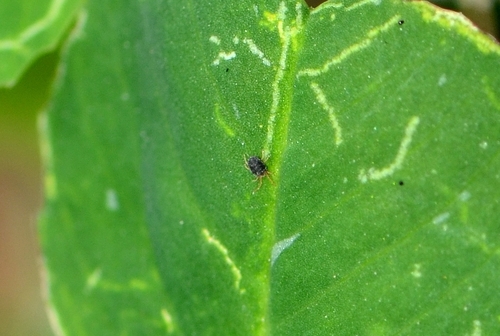
Tiny bright red bugs crawling on windowsills, walls and curtains in spring or autumn are usually clover mites. They're much smaller than a bed bug, about the size of a pinhead, and leave a red stain when crushed. They come in from lawns and plants next to the house and are harmless.
What to do if you think it's a bed bug
Keep the bug on clear tape or in a sealed bag, and take a clear photo from above. Check the mattress seams, box spring, headboard and nearby furniture for the dark spots, shed skins and eggs described above.
If you find signs, wash bedding and clothes on hot and dry them on the hottest setting for at least 30 minutes, vacuum seams and cracks, and put the mattress in a bed bug encasement. Don't move furniture to other rooms, which spreads them. Bed bugs are hard to get rid of on your own, so for a real infestation a pest control professional is usually worth it.
If you're not sure what you've found, compare it with the photos on this page, or identify it from the photo.
?Frequently asked questions
What bugs look like bed bugs?
The most common lookalikes are bat bugs, carpet beetles and their larvae, booklice, German cockroach nymphs, fleas and ticks. Bat bugs are nearly identical; the others differ in shape, speed, number of legs or where you find them.
How can I tell a bat bug from a bed bug?
Bat bugs have longer hairs on the area behind the head, at least as long as the width of the eye, which needs magnification to see. The easier clue is location: bat bugs come from bat roosts in attics, chimneys or walls.
Do carpet beetles bite like bed bugs?
No. Carpet beetles don't bite, but the hairs of their larvae can cause an itchy rash that looks like bites. Finding small hairy larvae or shed skins in carpets and closets points to carpet beetles.
What does a bed bug look like to the naked eye?
An adult bed bug looks like a flat, oval, reddish-brown apple seed about 5 mm long, with six legs and no wings. After feeding it's rounder and darker red. Young ones are smaller and pale yellowish.
Can you see bed bug eggs?
Yes, just about. Bed bug eggs are about 1 mm long, white and pearly, and are stuck in clusters in mattress seams, cracks and crevices. They're easier to spot with a torch and a magnifying glass.
Written by the Insect Scanner team, last updated 2026-10-30. Identification from photos is never certain: don't handle insects you can't identify, and get medical advice for bites, stings or allergic reactions.