
Silverfish
Lepisma saccharinum · Silverfish
Small, wingless, silvery-grey insect that lives in homes, feeds on starches and cellulose, and can damage paper and textiles.
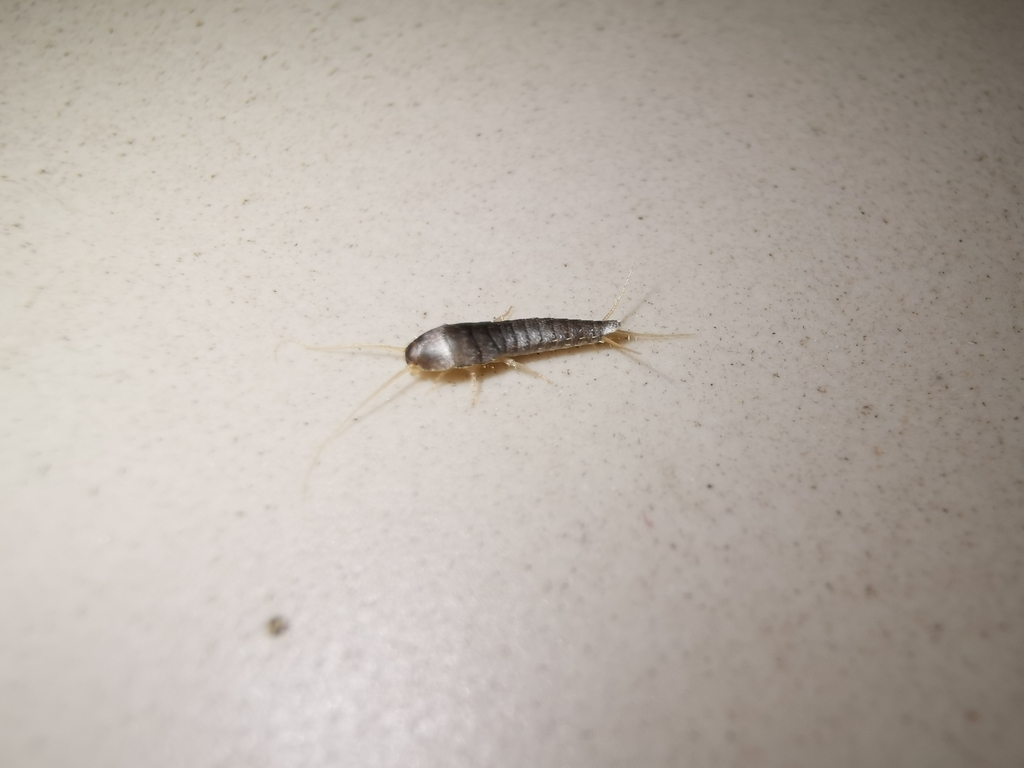
!Is the silverfish dangerous?
No. Silverfish do not bite or sting and are not known to transmit disease. They can cause allergic reactions in very sensitive people through shed scales, but this is uncommon. If you find them on skin, they do not feed on people; simply brush them off.
Pets
Generally harmless to pets. Small pets might briefly chase or eat them, but silverfish are not toxic to pets.
📖Overview
Silverfish (Lepisma saccharinum) are primitive, wingless insects with a carrot-shaped body and three tail-like filaments. They are nocturnal, prefer dark humid microhabitats, and are commonly found in human structures worldwide. Silverfish feed on a wide variety of starchy and cellulosic materials and can cause damage to books, wallpaper, clothing, and stored food.
🔍How to identify a silverfish
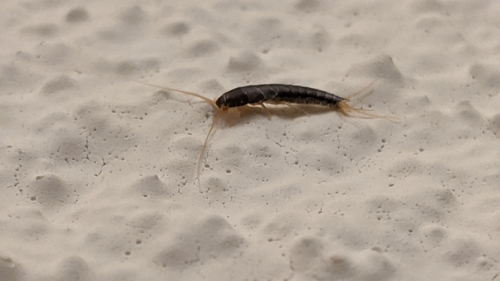
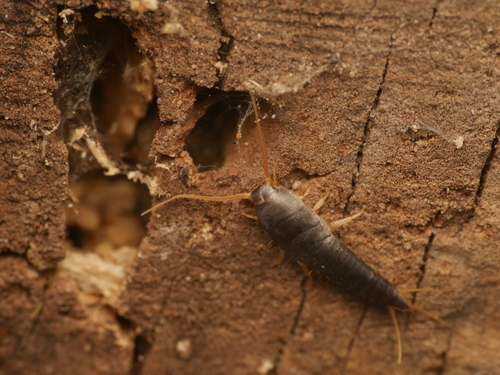
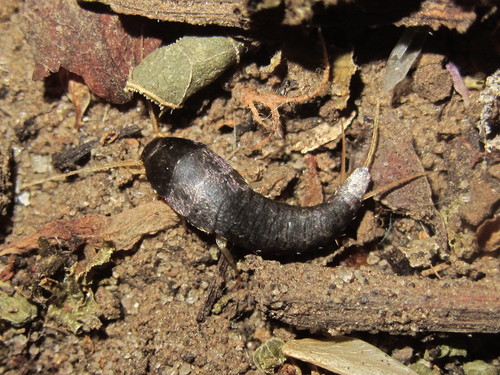
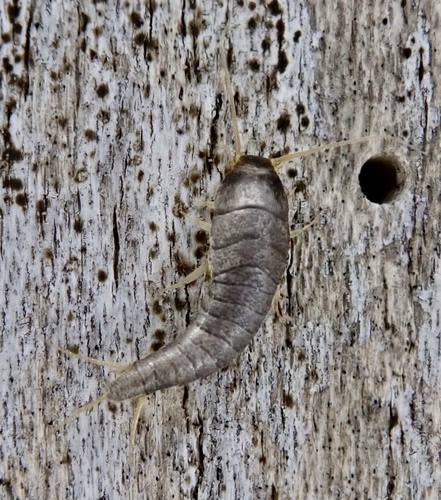
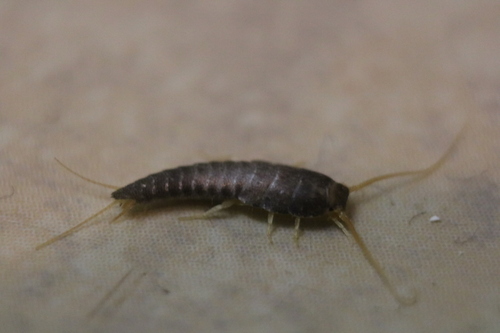
Adults are elongated and flattened with a tapered, carrot-shaped abdomen ending in three long tail filaments. They are covered in tiny scales that give a silvery or metallic sheen. They have long antennae, no wings, and move with a characteristic wiggling, fish-like motion.
- Silvery, metallic sheen from tiny scales and a carrot-shaped tapered abdomen with three tail filaments.
- Wingless, 12-19 mm long, long antennae and a wiggling, fish-like movement when disturbed.
- Nocturnal and found in dark, humid indoor areas—look in bathrooms, basements, kitchens, and inside books or boxes.
Lookalikes
Firebrat Thermobia domestica
Firebrats are browner and prefer hotter, more humid locations (near heaters, boilers); body shape is similar but color and habitat differ.
Gray silverfish / long-tailed silverfish Ctenolepisma longicaudata
Ctenolepisma species are often paler or uniformly grey and can be larger; expert examination or locality/habitat helps distinguish them.
↻Life cycle
Egg
Females lay small, whitish eggs in protected crevices. Eggs hatch in a few weeks to months depending on temperature and humidity.
Nymph (juvenile)
Young look like miniature adults but lack full scales and are paler. Nymphs molt repeatedly and can take several months to years to mature.
Adult
Adults are wingless, scaled, and reproductive. They continue to molt after reaching maturity and can live multiple years.
🍃Diet and predators
Young eat
Starches and carbohydrates from paper, glue, and textiles, same as adults
Adults eat
Starches, cellulose and proteins: book bindings, wallpaper paste, paper, cardboard, fabrics (especially those with starch sizing or natural fibers), and occasionally dried foods containing sugars or starches
Predators of the young
Spiders, centipedes, predatory beetles, and household predators
Predators of adults
Spiders, centipedes, ants, and small insectivorous predators
🌱Effect on plants and gardens
Not a plant pest in gardens; indoors they feed on paper, book bindings, wallpaper paste, starch-based glues, natural fibres (silk, cotton, linen), and occasionally stored food containing starch or sugar.
How to get rid of silverfishs
Reduce humidity and moisture sources (fix leaks, use dehumidifier, improve ventilation). Remove food sources: store papers, fabrics, and pantry items in sealed containers. Vacuum and clean cracks, crevices, and storage areas. Use sticky traps placed along baseboards and in cupboards to monitor and reduce numbers. For larger infestations, silica gel dusts or diatomaceous earth applied in cracks can help; use pesticides only as directed and consider a licensed pest control professional for persistent problems.
📍Where and when to find it
Look at night with a flashlight in bathrooms, basements, kitchens, attics, bookcases, closets, behind wallpaper and skirting boards; check cardboard boxes and stored papers for feeding damage.
Best time
Any month indoors; nocturnal—best observed at night or by checking daytime hiding places.
Observation tips
Turn off lights and use a red-filtered or low-intensity light at night to observe behaviour; place sticky traps along baseboards and inside cupboards to confirm presence.
✨Fun facts
- Silverfish are among the most primitive living insects and lack wings throughout their life.
- They can survive long periods without food and continue to molt even after reaching adulthood.
- The name 'silverfish' comes from their silvery scales and fish-like wriggling movement.
?Frequently asked questions
Do silverfish bite?
No. Silverfish do not bite or sting and are not harmful to people.
Are silverfish poisonous?
No. Silverfish are not poisonous or venomous.
Why do I find silverfish in my house?
They prefer dark, humid areas with access to starches and cellulose—bathrooms, basements, kitchens, bookcases, and closets are common sites.
Can silverfish damage my books and clothes?
Yes. They feed on paper, book bindings, wallpaper paste, and fabrics (especially those with starch or natural fibres) and can cause damage over time.
How can I get rid of silverfish?
Reduce humidity, remove food sources (store items in sealed containers), vacuum and declutter, use sticky traps, and apply desiccant dusts (silica gel or diatomaceous earth) in cracks. For severe infestations consider a professional pest controller.
Will mothballs get rid of silverfish?
Mothballs may temporarily repel them but are not a reliable long-term solution and release harmful fumes; focus on humidity control, sanitation, and traps instead.
📷Photos of the silverfish
More other creepy crawlies
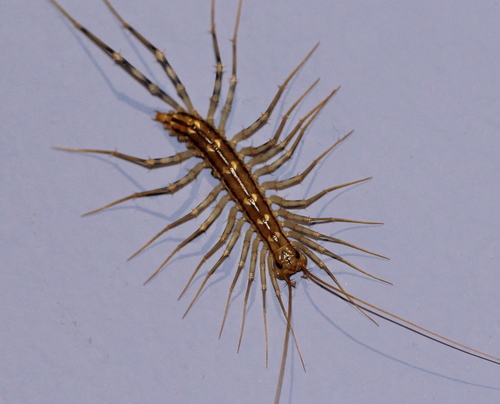
Mild bite
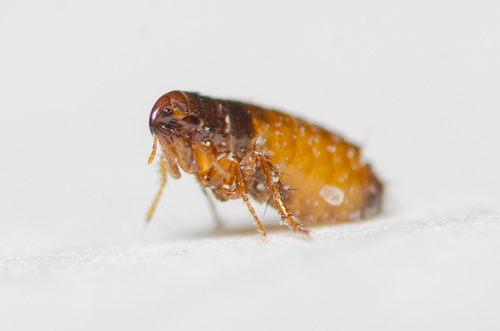
Bites, disease vector
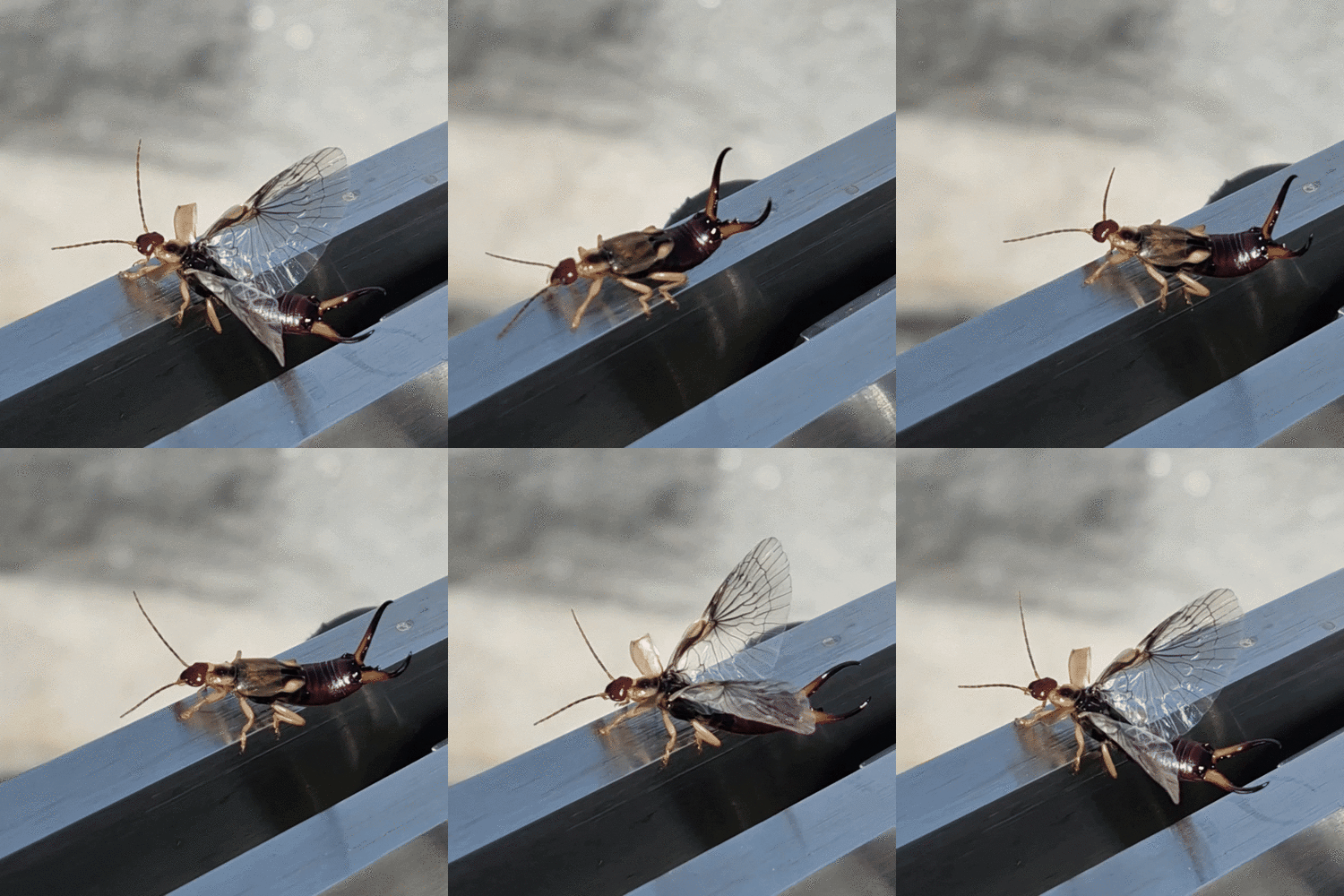
Non-toxic pinch
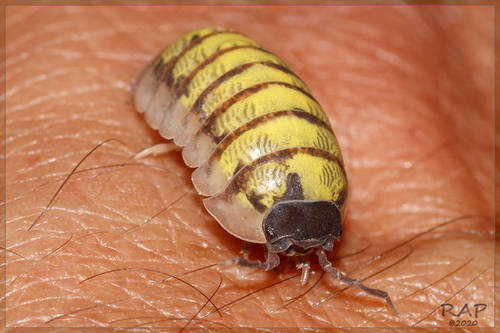
Non-toxic
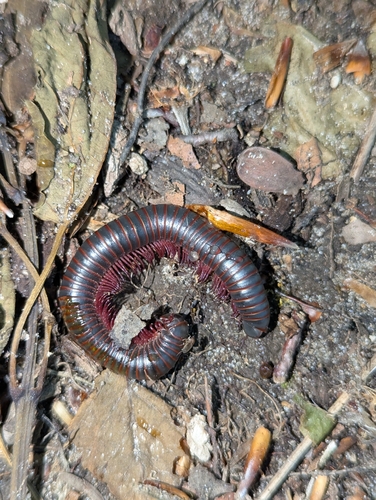
Irritating secretion
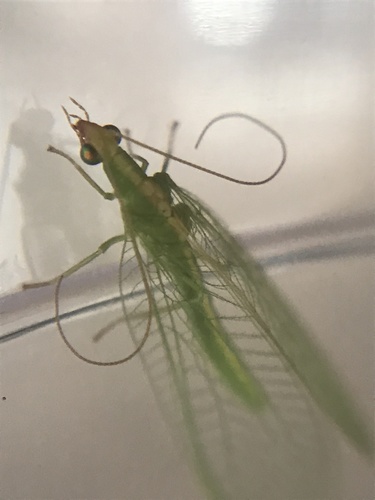
Non-toxic
This guide was written with AI assistance and fact-checked, last updated 2026-10-09. Identification from photos is never certain: don't handle insects you can't identify, and get medical advice for bites, stings or allergic reactions.