
Belted springtail
Orchesella cincta · Springtails
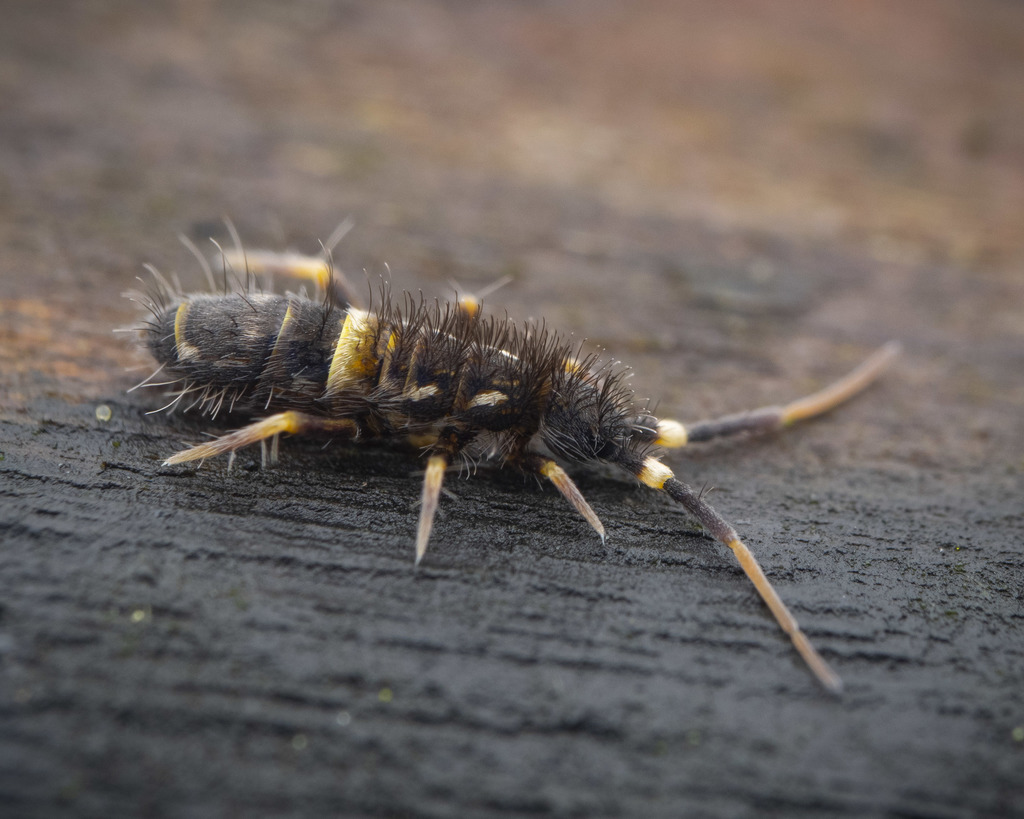
A relatively large, banded springtail common in leaf litter and damp places across Europe and introduced regions, feeding on decaying organic matter and fungi.
!Is the belted springtail dangerous?
No. Does not bite or sting. Not known to transmit disease. Handling is safe; wash hands after contact if desired. Allergic reactions are not known to be an issue with this species.
Pets
Harmless to pets. Large numbers may annoy household pets but pose no toxic risk.
📖Overview
Orchesella cincta is a slender, fairly large springtail often seen on soil surfaces, leaf litter, under bark and in damp buildings. Like other springtails it has a furcula (a tail-like springing organ) used to jump away when disturbed. It feeds mainly on fungal hyphae, decaying plant material and microscopic algae and helps break down organic matter in soil.
This species is common in temperate Europe and has been reported from other regions where it has been introduced. It prefers moist microhabitats and will appear in numbers after rain or in damp basements, greenhouses and compost heaps. It does not bite or transmit disease to people, and is not considered medically significant.
🔍How to identify a belted springtail
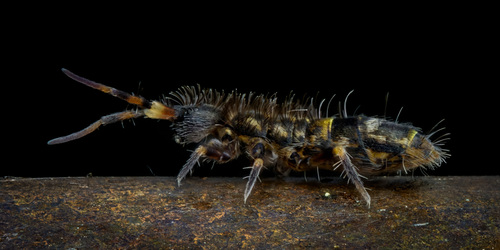
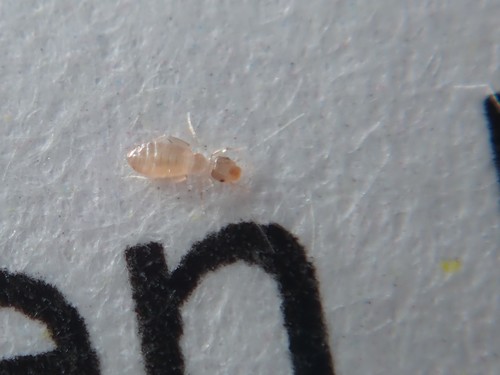
Adults are relatively slender, elongate and very hairy for springtails. The body is dark brown to blackish with a contrasting pale yellowish to orange band across the middle of the abdomen, giving the 'belted' appearance; the long antennae are often pale near the base. Like other collembolans, they are wingless and move by crawling and by rapid jumps produced by the furcula folded under the abdomen.
- Look for a slender, hairy springtail 3-6 mm long that is dark with a pale yellowish or orange band across the middle of the abdomen.
- Long antennae and visible body segmentation; jumps using a furcula when disturbed.
- Found on the soil surface, leaf litter, under bark or in damp indoor spots rather than deep inside dry wood or fabric.
Lookalikes
Orchesella villosa Orchesella villosa
Closely related with similar shape; differs in details of body setae (long hairs) and subtle colour pattern—accurate separation usually requires close microscopic examination.
Entomobrya species Entomobrya spp.
Similar elongate springtails but often differ in scale pattern, body proportions and colour banding; specialist keys or microscopy help separate them.
↻Life cycle
Egg
Tiny eggs laid in soil, leaf litter or protected crevices; hatch into juveniles.
Juvenile (nymph)
Young go through several moults, increasing in size and developing adult segmentation and setae; juveniles resemble small adults (no true metamorphosis).
Adult
Sexually mature, reproducing; adults retain the furcula for jumping and continue the same feeding habits as juveniles.
🍃Diet and predators
Young eat
Fungal hyphae, decaying plant material, microscopic algae and biofilms.
Adults eat
Same as juveniles: fungi, decaying organic matter and algae.
Predators of the young
Predatory mites, rove beetles, spiders and small ground beetles.
Predators of adults
Spiders, predatory insects (e.g. beetles), centipedes, some small insectivorous birds and amphibians.
🌱Effect on plants and gardens
Feeding on fungi, microscopic algae and decaying plant matter; generally benefits soil health by aiding decomposition. Not a direct plant-eating pest of healthy plants.
📍Where and when to find it
Search in leaf litter, compost heaps, moss, under stones and logs, under loose bark; indoors look in damp basements, around potted plants, greenhouses and bathrooms.
Best time
Most visible after rain and in cool, moist months (spring and autumn); active any time conditions are damp.
Observation tips
Use a white tray or sheet and tap leaf litter or moss to dislodge springtails for photographing; a macro lens or hand lens helps capture the banded pattern.
✨Fun facts
- Springtails like Orchesella cincta can jump dozens of times their body length using a spring-like furcula folded under the abdomen.
- They are important decomposers, helping recycle nutrients by breaking down fungi and decaying plant material.
- Despite the common name 'springtail', they are not true insects in the strict taxonomic sense but are hexapod relatives (Collembola).
?Frequently asked questions
Are belted springtails harmful to humans?
No. They do not bite or sting and are not known to transmit diseases. They are harmless and mainly act as decomposers.
Do springtails bite?
No. Springtails, including Orchesella cincta, do not bite people.
Why do I find them in my house?
They are attracted to moist, damp conditions. You may find them in basements, bathrooms, potted plants or around leaks and damp compost because those places provide food and humidity.
How do I get rid of springtails in my home?
Reduce indoor moisture by fixing leaks, improving ventilation and using dehumidifiers. Remove leaf litter, excess potting soil and decaying plant material near the house. Vacuum visible clusters and seal gaps where they enter. In most cases population control and dryness are enough; pesticides are usually unnecessary.
Are belted springtails beneficial for gardens?
Yes. They help decompose organic matter and recycle nutrients, contributing to healthy soil ecosystems.
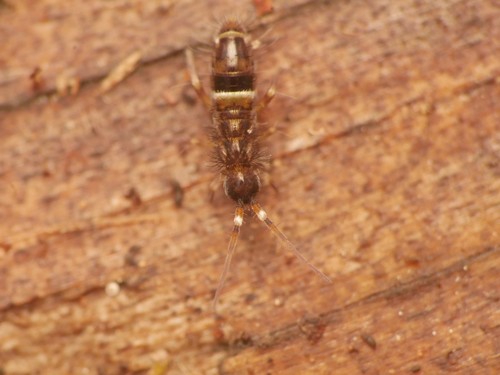
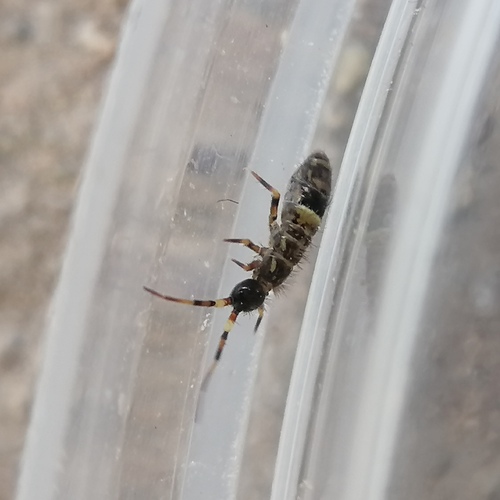
📷Photos of the belted springtail
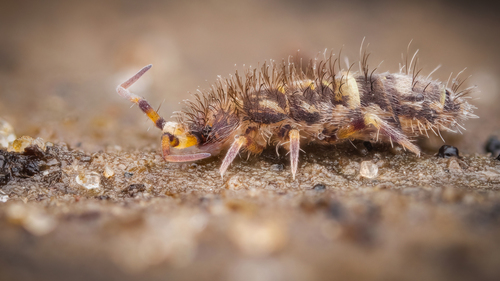
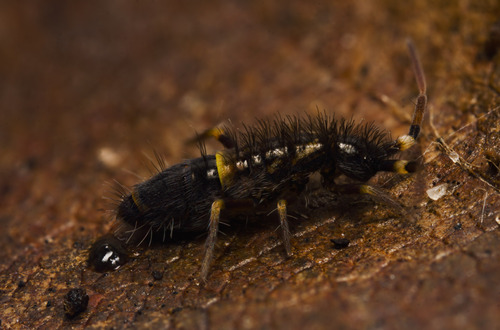
More other creepy crawlies
This guide was written with AI assistance and fact-checked, last updated 2026-10-10. Identification from photos is never certain: don't handle insects you can't identify, and get medical advice for bites, stings or allergic reactions. More about the belted springtail: iNaturalist, Wikipedia.