
European earwig
Forficula auricularia · Earwigs
A 12-15 mm brown, nocturnal insect with distinctive forceps-like pincers (cerci) at the rear; common in gardens and sometimes found indoors.
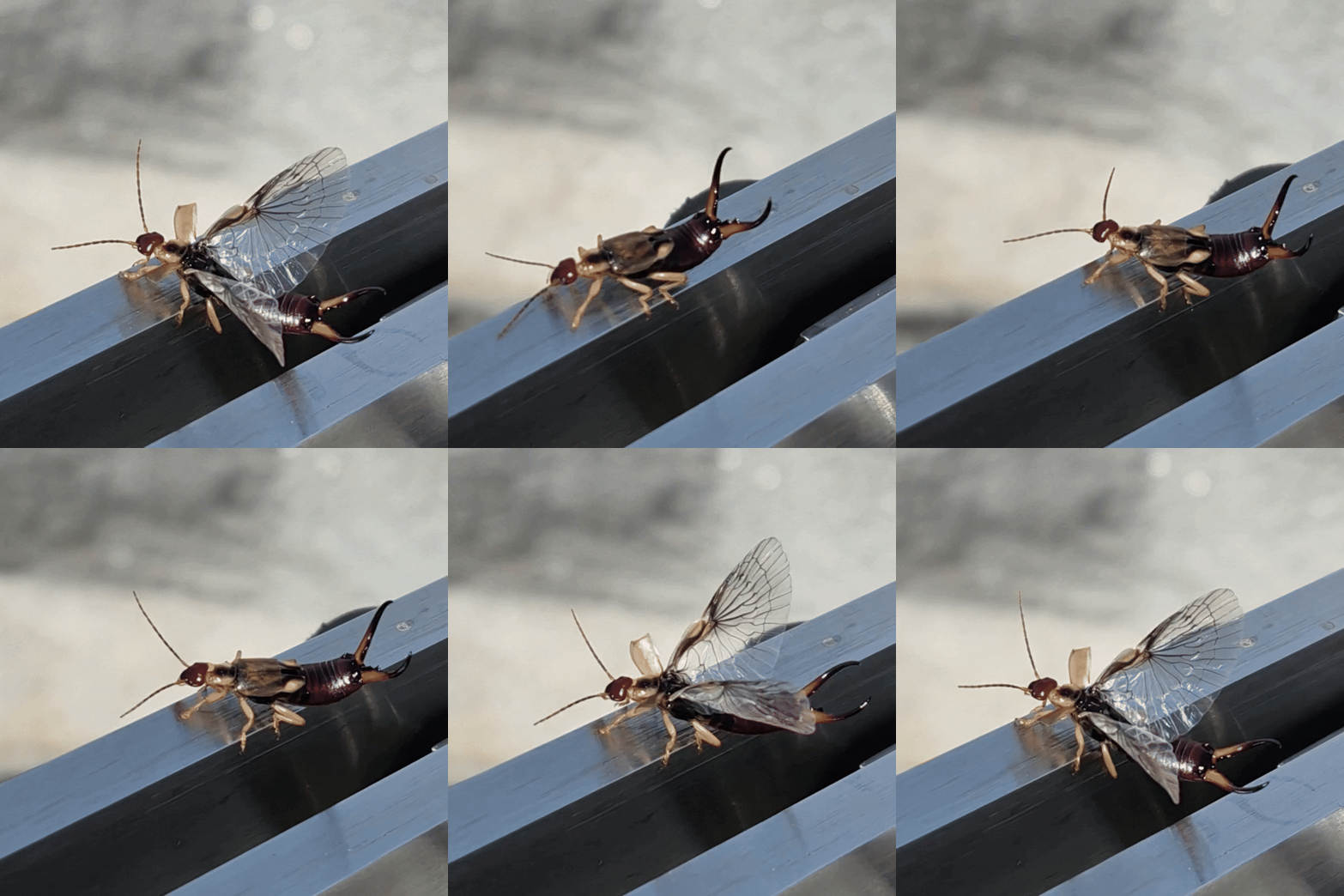
!Is the european earwig dangerous?
No. European earwigs are not venomous and do not transmit disease. They can pinch with their cerci if handled, producing a mild pinch or scratch; bites are rare and cause only minor local discomfort. Clean any broken skin and apply basic first aid if needed.
Pets
Generally not harmful to cats or dogs. Pets that eat large numbers of earwigs may vomit, but earwigs are not poisonous to pets.
📖Overview
Forficula auricularia is a widespread earwig species native to Europe and now introduced across North America, parts of South America, Australia and other regions. It is nocturnal and omnivorous, feeding on small invertebrates, decaying plant matter and soft fruits. Earwigs are hemimetabolous (no pupal stage) and females show maternal care, guarding eggs and young nymphs for a time. They prefer cool, moist microhabitats such as under bark, stones, mulch and in garden debris, and may enter buildings seeking shelter.
🔍How to identify a european earwig
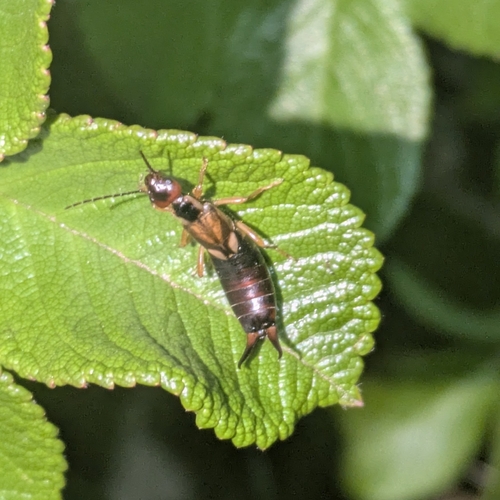
Adults are elongated, slightly flattened insects 12-15 mm long with a narrow, cylindrical body and a pair of curved forceps-like cerci at the tip of the abdomen (more curved in males). Colour is generally reddish-brown to dark brown on the head and thorax, with lighter brown or yellowish outer wings and legs. The forewings (tegmina) are short, and the membranous hind wings fold beneath them (rarely seen). Antennae are long and threadlike. Nymphs resemble smaller, wingless adults and lack fully developed cerci curvature until later instars.
- Look for a 12-15 mm elongated, flattened brown insect with visible forceps-like cerci at the rear.
- Males have more curved and robust cerci; females have straighter, shorter cerci.
- Short leathery forewings and a generally shiny, reddish-brown body distinguish earwigs from beetles or roaches.
- Active at night; inspect under bark, stones, pots and mulch to find hiding earwigs.
Lookalikes
Lesne's earwig Forficula lesnei
Similar size but slightly darker and with subtle differences in cerci shape and genitalia; separation often requires expert examination.
Ring-legged earwig Euborellia annulipes
Generally wingless, darker and with less pronounced tegmina; this genus is more common in warmer regions and differs in leg banding.
↻Life cycle
Egg
Female lays clusters of eggs in an underground nest in autumn or spring depending on region; she guards and cleans the eggs until they hatch.
Nymph
Nymphs hatch resembling small wingless adults and go through several molts (instars), with increasing size and development of cerci; females may care for nymphs for a short period.
Adult
Adults emerge after the final molt; they are capable of flight in some individuals (wings present but rarely used) and reproduce to continue the cycle.
🍃Diet and predators
Young eat
Small invertebrates, decaying plant material and crumbs found in their sheltered habitat.
Adults eat
Omnivore: insects (aphids, larvae), decaying vegetation, nectar, soft fruits and occasionally plant tissues such as flowers and seedlings.
Predators of the young
Ground beetles, spiders, ants, birds and small mammals.
Predators of adults
Birds, toads, small mammals, larger predatory insects and spiders.
🌱Effect on plants and gardens
Omnivorous feeding means earwigs both prey on garden pests such as aphids and feed on soft fruits, flowers and seedlings; they can cause cosmetic damage to fruits and young plants but rarely devastate healthy mature crops.
How to get rid of european earwigs
Reduce garden moisture and hiding spots: remove leaf litter, mulch piles, and debris near foundations. Seal cracks and gaps in buildings and install door sweeps. Use shallow traps (rolled-up newspaper, oil-filled tuna cans) checked daily and disposed of. Chemical control is usually unnecessary; if needed, use targeted insecticidal baits or perimeter treatments labeled for earwigs and follow label instructions.
📍Where and when to find it
Look under loose bark, stones, garden pots, compost and leaf litter for adults and nymphs; inside houses check basements, bathrooms and dark cracks.
Best time
Spring through autumn, mainly at night or early morning after damp weather.
Observation tips
Use a flashlight at night and carefully lift potential hiding spots; traps of rolled damp newspaper or cardboard left overnight will attract earwigs for easy observation.
✨Fun facts
- Female earwigs exhibit maternal care, tending eggs and young nymphs – unusual behavior for many insects.
- The common name 'earwig' comes from an old European superstition that they crawl into human ears; this is a myth and they do not seek out ears.
- Although they have wings, earwigs rarely fly; their short forewings hide folding hind wings that are seldom used.
?Frequently asked questions
Are European earwigs harmful to humans?
No, they are not venomous or poisonous. They can pinch with their forceps if handled, causing minor pain at most.
Do earwigs bite?
Earwigs can use their cerci to pinch but they do not bite or inject venom; pinches are usually harmless.
Why are earwigs in my house?
They enter buildings seeking cool, moist shelter especially during wet weather or when outdoor hiding places are scarce.
How can I get rid of earwigs in my garden or home?
Reduce moisture and hiding places, seal entry points, use traps (rolled newspaper or shallow cans with oil), and apply targeted perimeter treatments if necessary.
Will earwigs damage my plants?
They can chew soft fruits, flowers and seedlings, causing local damage, but they also eat pest insects; overall they are usually a minor garden nuisance rather than a major pest.
Are earwigs beneficial?
Partially — they prey on some garden pests and help break down decaying plant material, contributing to nutrient cycling.
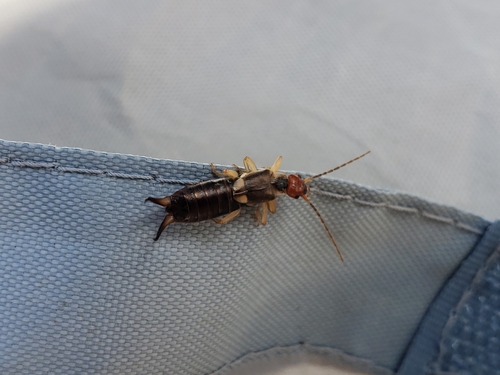
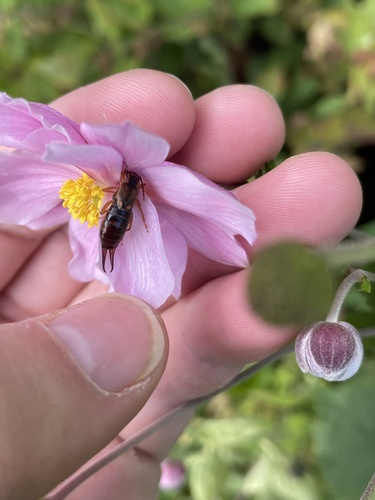
📷Photos of the european earwig
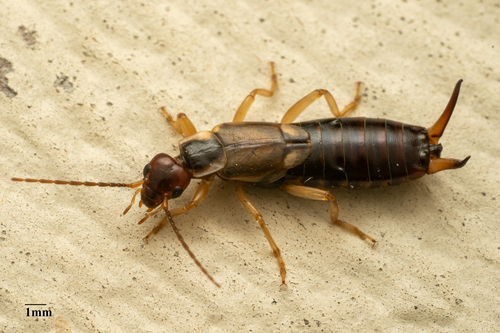
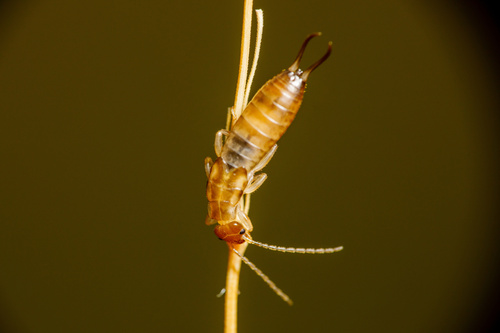
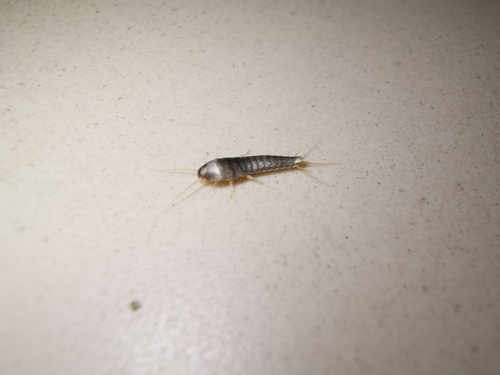
More other creepy crawlies
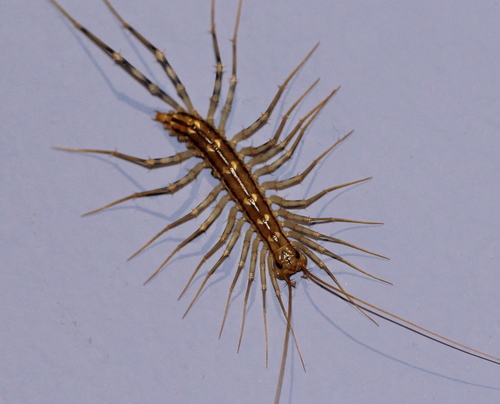
This guide was written with AI assistance and fact-checked, last updated 2026-10-09. Identification from photos is never certain: don't handle insects you can't identify, and get medical advice for bites, stings or allergic reactions.