
German yellowjacket
Vespula germanica · Yellowjackets and social wasps
A social, black-and-yellow scavenging wasp that nests in cavities and can become a aggressive nuisance around food and drink.
!Is the German yellowjacket dangerous?
Yes, it can be. Workers can sting repeatedly and deliver painful stings; reactions range from local pain, swelling and redness to severe allergic anaphylaxis in sensitized people. If stung, calmly move away from the area (to avoid more stings), wash the site and apply a cold pack; yellowjackets do not leave a stinger behind. If there are signs of a severe allergic reaction (difficulty breathing, swelling of the face or throat, dizziness or fainting), use an epinephrine auto-injector if available and call emergency services immediately. Many stings at once also warrant medical attention.
Pets
Pets can be stung and show local pain and swelling; multiple stings or stings near the mouth/throat can be dangerous. Seek veterinary care if a pet shows trouble breathing, swelling, lethargy or collapse.
📖Overview
Vespula germanica is a social vespid wasp forming colonies with a single queen and many workers. It is omnivorous and a strong scavenger of human food, fruit and carrion as well as a predator of other insects. Native to Europe, it has been introduced and become invasive in many parts of the world. Colonies form yearly: workers and males die in autumn while mated queens overwinter and start new nests in spring.
🔍How to identify a German yellowjacket
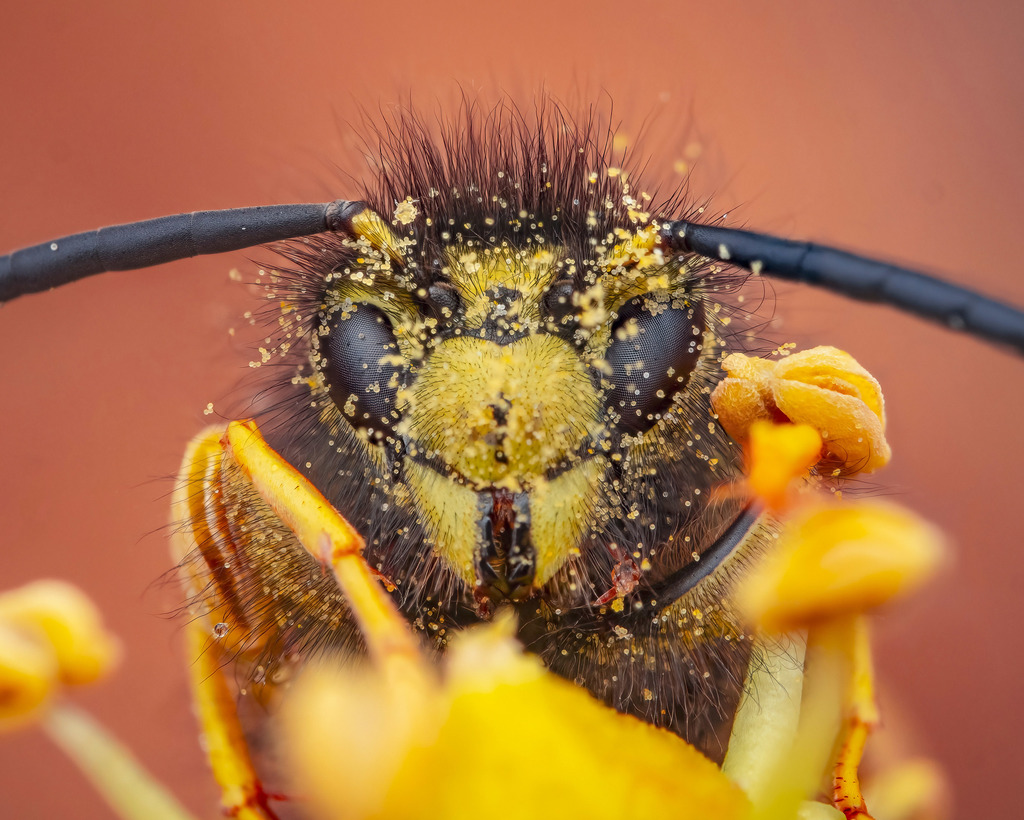
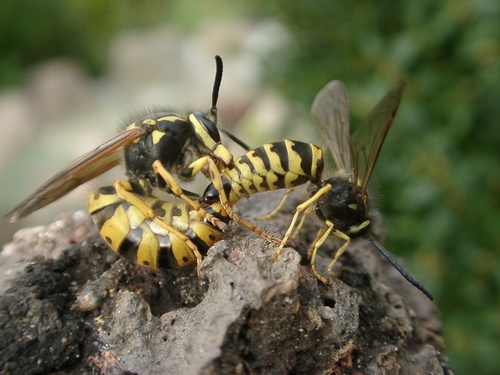
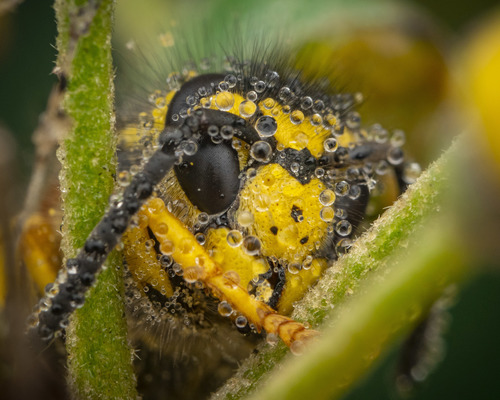
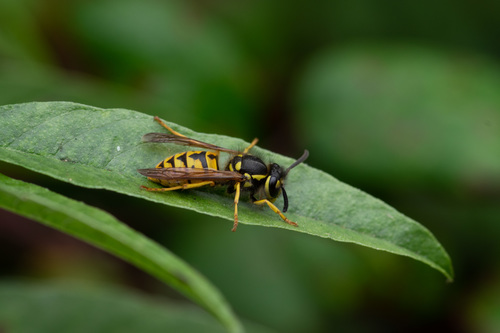
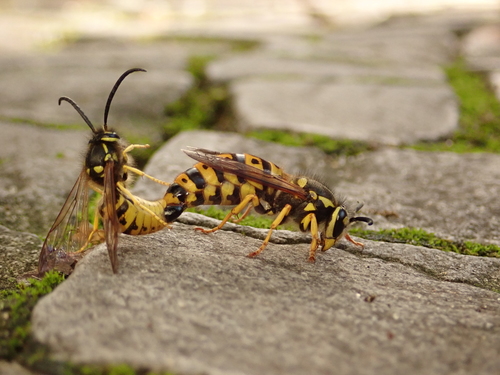
Workers are compact, robust wasps with bold yellow and black banding on the abdomen, usually with small separate black dots on the yellow bands. The face is mostly yellow, typically with one to three small black dots on the clypeus. Queens are larger and fuller-bodied. They have short hair and a smooth shiny exoskeleton. The species is similar to other Vespula yellowjackets; the dotted face (rather than an anchor-shaped black mark as in the common wasp) helps separate it.
- Bold alternating yellow and black bands on the abdomen with characteristic black triangular markings on the second abdominal segment.
- Compact, stocky body shape typical of yellowjackets; workers 10-16 mm, queens larger.
- Face often shows a darker 'mask' of black with yellow highlights; compare banding pattern to other local Vespula species for reliable ID.
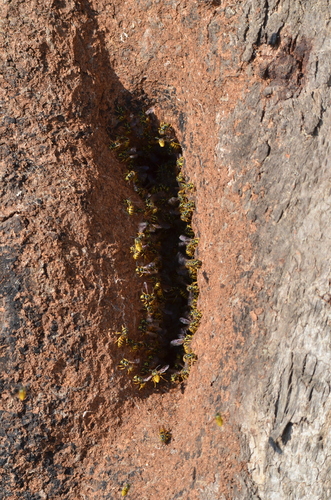
- Nests commonly found in cavities (walls, attics, rodent burrows) and sometimes shallow underground.
Lookalikes
Common wasp Vespula vulgaris
Very similar in appearance; V. vulgaris often has slightly different abdominal banding and facial markings—expert comparison or locality and behavior (nest site choice) may be needed to tell them apart.
Western yellowjacket Vespula pensylvanica
Overlap in appearance; V. pensylvanica in some regions is darker and can form large perennial colonies. Geographic location helps separate them.
Bald-faced hornet Dolichovespula maculata
Bald-faced hornet is larger and predominantly black with white markings and builds exposed paper nests, unlike the cavity-nesting V. germanica.
↻Life cycle
Egg
Laid singly by the queen in brood cells inside the nest; eggs hatch after a few days depending on temperature.
Larva (grub)
Grubs are fed by workers with protein (insects, carrion) and develop through several instars over about 1-3 weeks.
Pupa
Larvae pupate inside cells and metamorphose into adults over several days to weeks.
Adult (worker/queen/male)
Workers forage and maintain the nest; new queens and males are produced late in the season, leave the nest to mate, and fertilized queens overwinter to start new colonies.
🍃Diet and predators
Young eat
Fed by workers on protein-rich foods: insect prey, carrion and other animal material
Adults eat
Feed on sugars: nectar, sap, ripe fruit, honeydew and human food/drink; workers also scavenge protein to feed larvae.
Predators of the young
Birds, mammals and other predatory insects that can access nest cells
Predators of adults
Birds, spiders, dragonflies, robber flies and mammals; nest destruction by humans is a major mortality source in many areas.
🌱Effect on plants and gardens
Adults visit flowers for nectar and can act as incidental pollinators. They also feed on ripe fruit, which can damage soft fruit crops and be a nuisance in orchards and vineyards.
How to get rid of German yellowjackets
Reduce attractants (secure garbage, cover fruit, keep outdoor food and drink covered), seal building entry points and gaps leading to cavities, remove fallen fruit. For active nests inside walls, roofs or near doors, call a licensed pest control professional; do not attempt to remove a nest yourself, and never seal an active nest entrance inside a wall, as wasps may chew through into the house. Traps can reduce local numbers but may also attract wasps from a wider area; use traps as part of an integrated approach. Avoid provoking wasps near the nest.
📍Where and when to find it
Look for foraging individuals on flowers, fallen fruit, compost heaps, picnic areas and near garbage. Nest entrances often appear as small holes in lawns, at the base of walls, under eaves, in attics or inside wall cavities.
Best time
Late spring to autumn; daytime, especially warm sunny days and late summer when numbers peak.
Observation tips
Approach slowly and calmly, keep drinks and fruit covered, photograph from a safe distance and avoid standing between a nest entrance and returning workers.
✨Fun facts
- German yellowjackets are highly successful invasive species and have colonized many continents beyond their native range.
- Late summer and early autumn are peak nuisance months because workers switch to carbohydrate-rich foods and are attracted to sweet drinks and ripe fruit.
- They are both predators and scavengers — they help control some garden pest insects but also raid fruit and human food.
?Frequently asked questions
Do German yellowjackets sting?
Yes. Workers can sting repeatedly and deliver painful stings; allergic individuals may have severe reactions.
Are German yellowjackets dangerous to people?
Yes, they can be. They are not aggressive unless provoked or defending a nest, but because workers scavenge near people and food they commonly cause painful stings, and they are dangerous to people with wasp venom allergies.
Why do I have them in my house?
They nest in cavities such as wall voids, attics, chimneys or under floors, or they may be foraging indoors for sweet foods and drinks. Gaps and openings allow access to nesting sites.
How can I get rid of German yellowjackets?
Remove attractants (secure garbage, cover food), seal entry points, and have a licensed pest control professional remove nests found in walls or roofs. Traps can reduce numbers but are not a complete solution. Do not attempt nest removal yourself.
Can traps eliminate a nest?
Traps may reduce worker numbers but usually do not eliminate a nest on their own. Professional nest treatment is needed for reliable removal.
📷Photos of the German yellowjacket
More bees, wasps & ants
Bites and formic acid
Painful sting
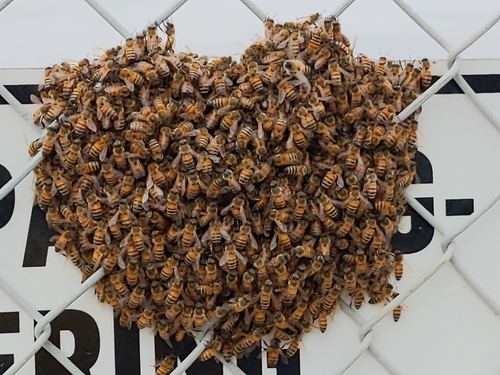
Stinging insect
Can sting
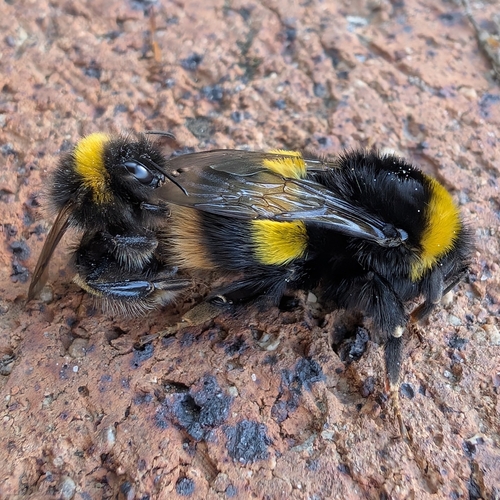
Can sting
Can sting
This guide was written with AI assistance and fact-checked, last updated 2026-10-10. Identification from photos is never certain: don't handle insects you can't identify, and get medical advice for bites, stings or allergic reactions. More about the German yellowjacket: iNaturalist, Wikipedia.