
Eastern yellowjacket vs German yellowjacket
These two are easy to mix up. Here's how to tell an eastern yellowjacket from a German yellowjacket, and whether either one bites or stings.
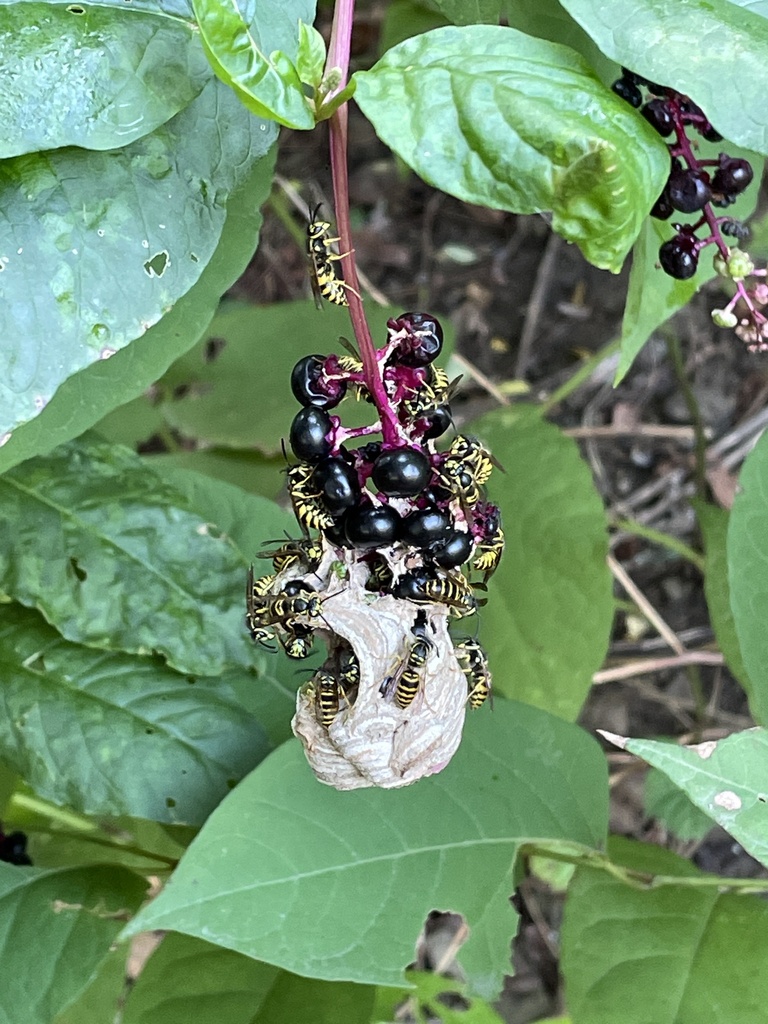
Eastern yellowjacket
Vespula maculifrons
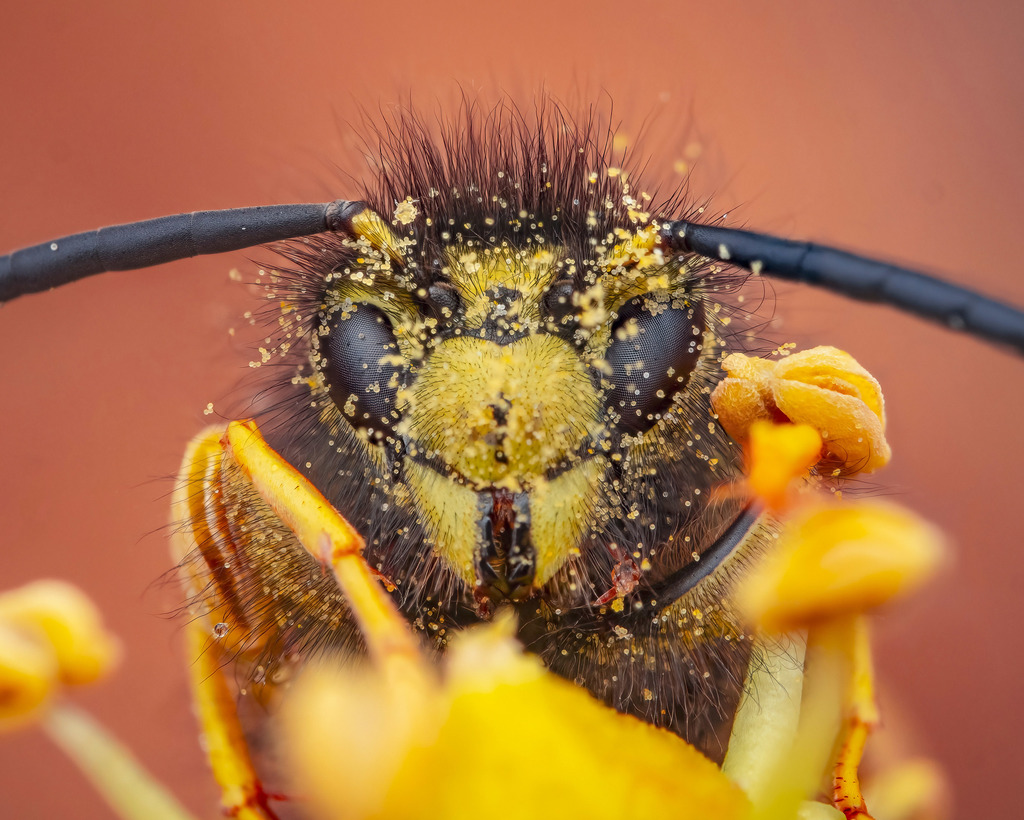
German yellowjacket
Vespula germanica
≠The key differences
V. germanica often has different patterning on the abdomen (more square black spots) and is more cosmopolitan; identification requires close examination of dorsal markings and head patterns.
⚖︎Side by side
| Eastern yellowjacket | German yellowjacket | |
|---|---|---|
| To humans | Stinging wasp | Painful sting |
| Size | 10-16 mm body length (workers); queens larger, up to about 20 mm | Workers 10-16 mm; queens 18-22 mm |
| Colours | Yellow, Black | Yellow, Black, Brown (abdomen/shaded areas) |
| Family | Vespidae | Vespidae |
| Habitat | Edges of woods, fields, suburban areas; nests in underground cavities (rodent burrows, soil cavities), wall voids and occasionally above ground in sheltered sites | Nests in cavities (wall voids, roof spaces, rodent burrows, hollow trees) and sometimes underground; forages in gardens, parks, farms, and around human food sources. |
| Range | Eastern North America — broadly across eastern United States and adjacent southern Canada | Native to Europe, northern Africa and temperate Asia; introduced and established in North and South America, southern Africa, Australia, New Zealand and several islands. |
| Active | Spring through fall; peak activity in mid to late summer and early autumn; active during daylight | Active spring to autumn in temperate regions; most visible and abundant in late summer and early autumn, daytime foragers. |
| Pest? | Yes | Yes |
🔍How to spot an eastern yellowjacket
- Stocky yellow-and-black wasp with alternating abdominal bands and distinctive dorsal markings on the abdomen.
- Body length about 10-16 mm for workers; queens noticeably larger.
- Nests typically underground in cavities or rodent burrows; watch for wasps flying directly to and from a small ground entrance.
🔍How to spot a German yellowjacket
- Bold alternating yellow and black bands on the abdomen with characteristic black triangular markings on the second abdominal segment.
- Compact, stocky body shape typical of yellowjackets; workers 10-16 mm, queens larger.
- Face often shows a darker 'mask' of black with yellow highlights; compare banding pattern to other local Vespula species for reliable ID.
- Nests commonly found in cavities (walls, attics, rodent burrows) and sometimes shallow underground.
?Frequently asked questions
What is the difference between an eastern yellowjacket and a German yellowjacket?
V. germanica often has different patterning on the abdomen (more square black spots) and is more cosmopolitan; identification requires close examination of dorsal markings and head patterns.
Is an eastern yellowjacket or a German yellowjacket more dangerous?
Eastern yellowjacket: Stinging wasp. German yellowjacket: Painful sting. Workers can sting repeatedly and defend nests aggressively. Workers can sting repeatedly and deliver painful stings; reactions range from local pain, swelling and redness to severe allergic anaphylaxis in sensitized people.
Identification from photos is never certain: don't handle insects you can't identify, and get medical advice for bites, stings or allergic reactions.