
Is this caterpillar poisonous? Stinging caterpillars and harmless lookalikes
Most caterpillars are completely harmless to touch. A small number can sting, and some others have hairs that cause an itchy rash. The trouble is that the scariest-looking caterpillars, like big horned hornworms, are often the harmless ones, while some of the most painful are small and fluffy.
Here's how to tell the three groups apart, with photos of the caterpillars people ask about most, and what to do if one gets you.
Caterpillars that sting
These caterpillars have hollow spines connected to venom glands. When the spines touch skin they break off and release venom, causing immediate burning pain, redness and swelling. Some also leave a grid-like pattern of red marks where the spines went in.
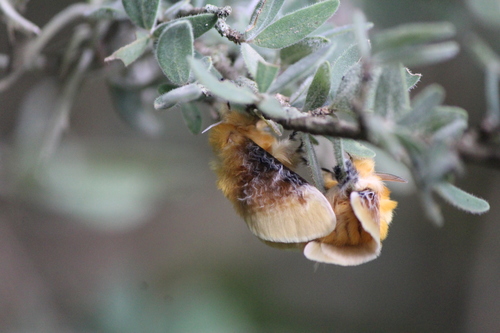
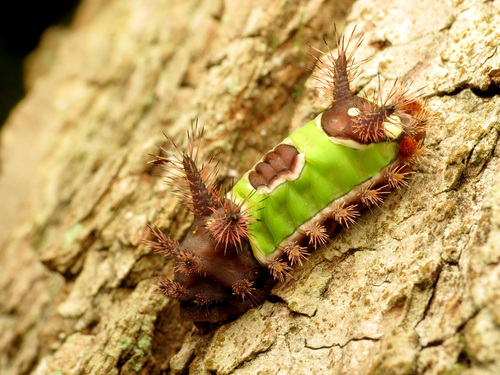
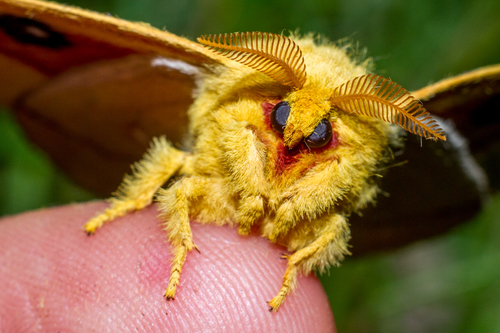
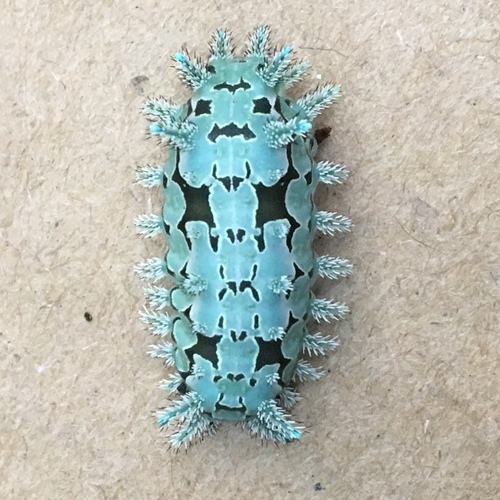
The puss caterpillar (southern flannel moth) is the most painful in North America. It looks like a soft tuft of fur, which is why children pick it up. The saddleback is easy to spot by the brown "saddle" with a green blanket on its back. Io moth caterpillars are bright green with clusters of spines, and spiny oak slugs are small, flattened and covered in branched spines.
Caterpillars with hairs that cause a rash
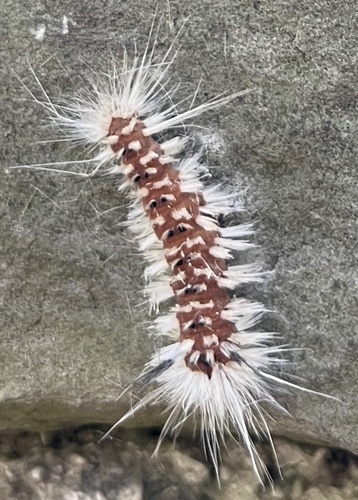
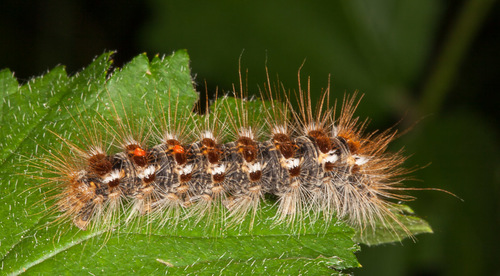
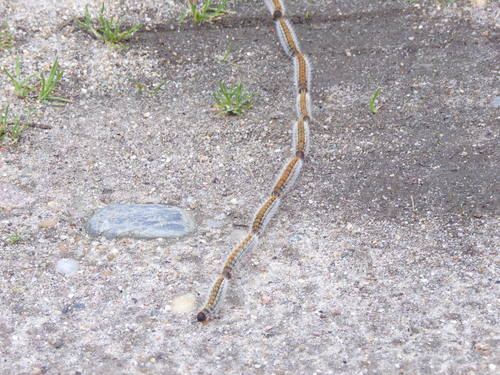
These don't inject venom, but their hairs break off in the skin and cause an itchy rash, sometimes for days. With brown-tail moth and pine processionary caterpillars the tiny hairs can also become airborne or stay in nests and on the ground, causing rashes, eye irritation and breathing problems without any direct touch.
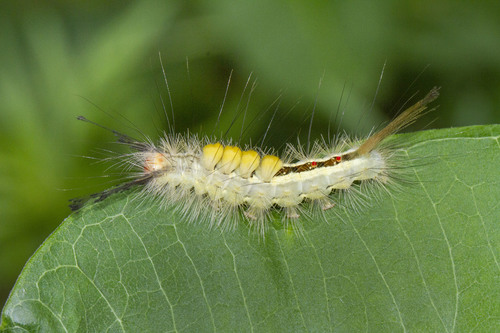
The hickory tussock moth caterpillar (white with black tufts) and the white-marked tussock moth caterpillar (with four cream tufts on its back) are common in North American gardens in late summer and fall. Brushing against them is enough to cause a rash in sensitive people. Keep children and pets away from these caterpillars and their nests.
Big and scary-looking, but harmless
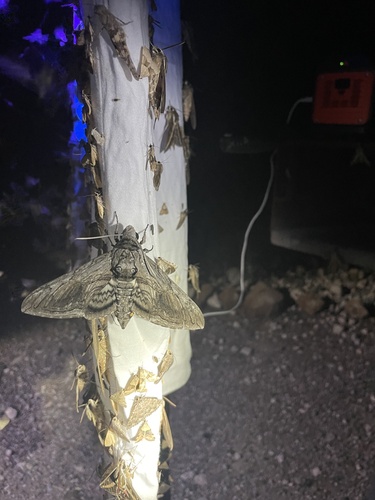
Hornworms are some of the biggest caterpillars people find, and the "horn" on their back end looks like a stinger. It isn't: it's soft and harmless. Tomato hornworms can strip a tomato plant in days, but they can't hurt you.
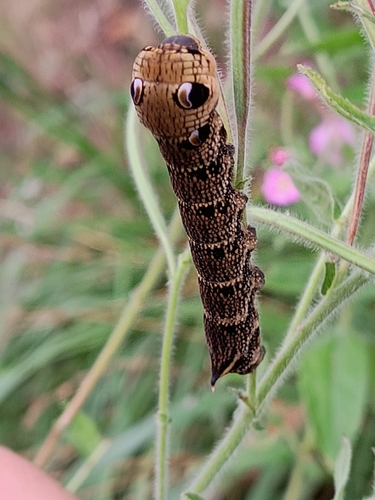
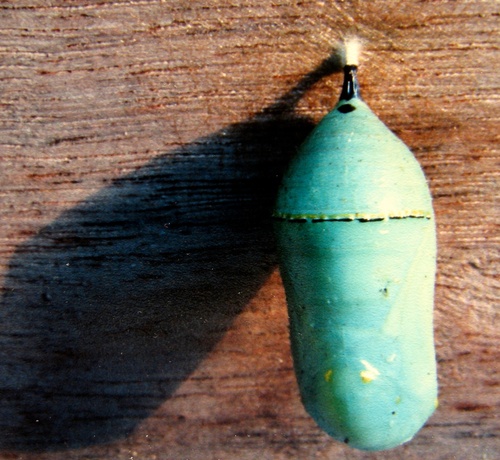
Elephant hawk-moth caterpillars puff up their front end to show large eyespots and look like a small snake. It's a bluff: they're not poisonous and don't bite. Monarch caterpillars are safe to touch; the toxins they store from milkweed only affect predators that eat them. Swallowtail caterpillars may push out a bright orange forked organ that smells bad when disturbed, but it's harmless. Regal moth caterpillars (hickory horned devils) look fearsome with their huge horns, but they're harmless too.
How to tell if a caterpillar is dangerous
Smooth caterpillars without spines or hairs, including hornworms, are almost always harmless.
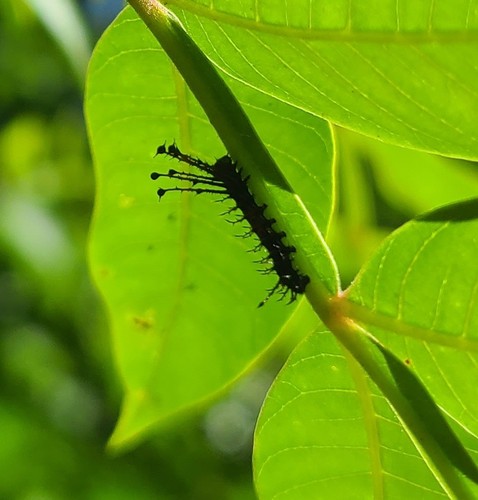
Be careful with caterpillars that have spines, branching bristles or dense tufts of hair, especially brightly coloured ones. Not all of them are dangerous, but you can't reliably tell the safe ones apart by eye.
Don't judge by size or fluffiness. The puss caterpillar is small and looks soft, and it's the most painful of all.
When in doubt, don't touch it with bare hands. Move it with a stick or leaf, or wear gloves. If you want to know exactly what it is, take a photo first.
What to do if a caterpillar stings you
Don't rub the area, which pushes the spines or hairs deeper. Press sticky tape onto the skin and peel it off to pull out broken spines and hairs, repeating with fresh tape.
Wash the area gently with soap and water, then use an ice pack to reduce pain and swelling. Over-the-counter antihistamines or hydrocortisone cream can help with itching; follow the pharmacist's advice and the label.
Get medical help straight away if the person has trouble breathing, swelling of the face or throat, a spreading rash, severe pain, or if hairs or spines got into the eyes. Also contact a doctor or poison control center if a child or pet put a caterpillar in their mouth.
?Frequently asked questions
Are fuzzy caterpillars poisonous?
Some are. Fuzzy caterpillars like the puss caterpillar can sting, and tussock moth caterpillars can cause an itchy rash. Others, like the woolly bear, are generally harmless, though their hairs can bother sensitive skin. Since they're hard to tell apart, it's best not to handle fuzzy caterpillars with bare hands.
Is the elephant hawk-moth caterpillar poisonous?
No. The elephant hawk-moth caterpillar isn't poisonous and doesn't bite or sting. The large eyespots and swollen front end are a bluff to scare off birds.
Is it safe to touch a caterpillar?
Smooth caterpillars are almost always safe to touch, though it's a good idea to wash your hands afterwards. Avoid touching caterpillars with spines, bristles or tufts of hair, because a few of them sting or cause rashes.
How can I find out what caterpillar I found?
Take a clear photo from above and from the side, and note what plant it was on. Compare it with the photos on this page, or use a photo identifier like Insect Scanner to see the species, whether it stings and what it turns into.
Written by the Insect Scanner team, last updated 2026-10-23. Identification from photos is never certain: don't handle insects you can't identify, and get medical advice for bites, stings or allergic reactions.