
Southern flannel moth
Megalopyge opercularis · Flannel moths
A small, very fuzzy moth whose larva (the 'puss caterpillar' or 'asp') delivers a painful sting when touched.
!Is the southern flannel moth dangerous?
Yes, it can be. Larvae have venomous spines hidden beneath hairs. Contact causes immediate sharp, burning pain, swelling, redness, sometimes spreading along the limb, nausea, headache or, rarely, more serious systemic symptoms. First aid: do not rub the area. Remove hairs and spines by gently applying and lifting adhesive tape, then wash with soap and water. Apply ice to reduce pain and swelling and take analgesics or antihistamines as needed. Seek medical care if pain is severe, symptoms progress, or respiratory or cardiovascular symptoms occur.
Pets
Pets can be stung by the caterpillar and may show localized pain, swelling, licking or pawing at the affected area; more severe reactions are possible in small animals. Avoid allowing pets to sniff or eat the caterpillars and seek veterinary care for concerning signs.
📖Overview
Megalopyge opercularis is a species of flannel moth best known for its larval form, the puss caterpillar or asp, whose dense hairs conceal venomous spines. Adults are furry, stout-bodied moths that are generally harmless to humans. The species occurs across the southeastern United States, parts of the Atlantic coast, Mexico and Central America and is often encountered in gardens, woodlands and suburban landscapes where host trees grow.
The caterpillar stage is the medically important life stage: contact causes a sudden, often intense burning pain, localized swelling, and sometimes systemic symptoms. Adults are woolly, slow-flying moths active at night and are not considered a stinging or biting risk.
🔍How to identify a southern flannel moth
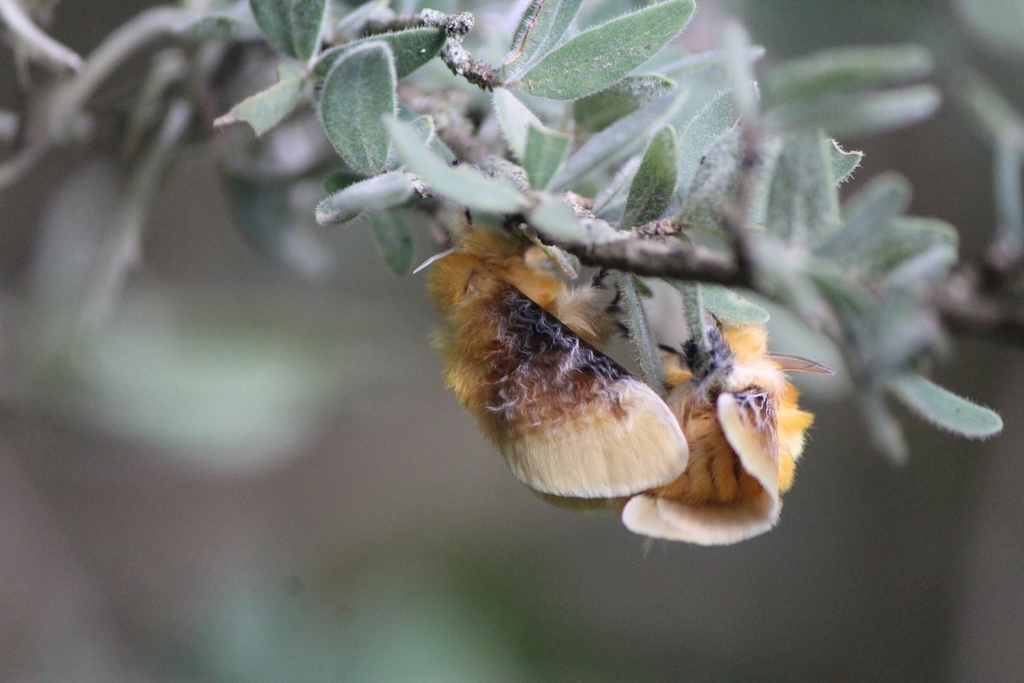
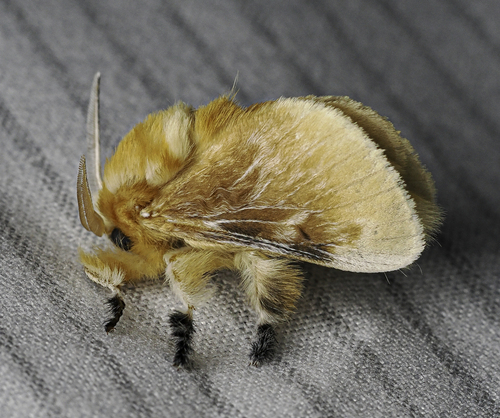
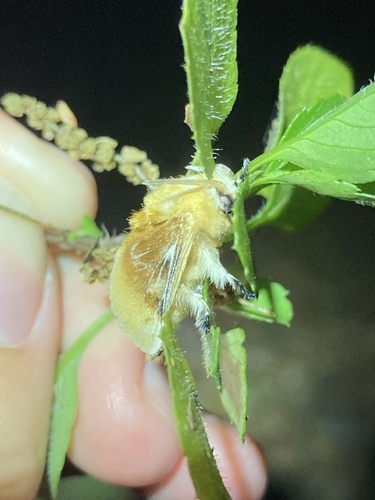
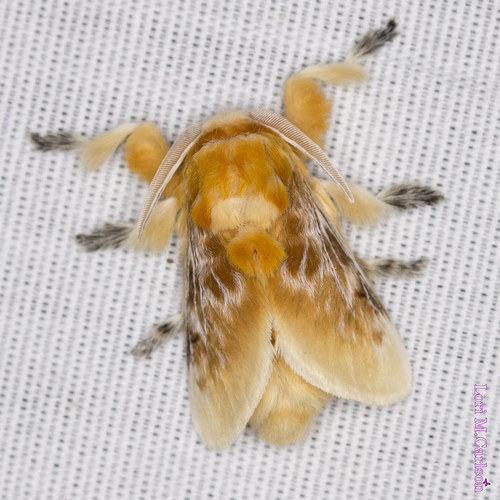
Adult southern flannel moths are small, very hairy moths with dense, long scales that give a plush or woolly appearance. Color varies from pale beige to orange-brown to cinnamon; wings are rounded and cover the body when at rest, creating a compact, furry oval. The head is also densely covered, hiding antennae and mouthparts. Wingspan for adults is modest compared with some moths, and overall they look like a small, fuzzy cotton ball that can appear slightly flattened when perched.
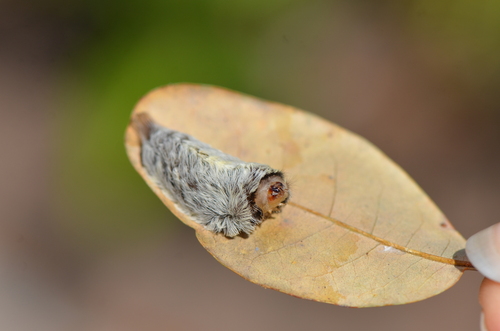
Larvae (puss caterpillars) are distinctive: they are compact, oval or teardrop-shaped and covered with long, silky hairs that hide short venomous spines beneath. Colour ranges from gray-beige to brown, rust, or bright orange depending on the individual and region.
- Larva: compact, oval, very fuzzy 'puss' appearance with long silky hairs hiding hidden stinging spines.
- Adult: small, stout-bodied moth with very dense, woolly scales and rounded wings; color ranges from beige to orange-brown.
- If unsure about a fuzzy caterpillar on a tree, treat it as venomous and avoid touching until identified.
- Location: often on leaves and edges of host trees in the southeastern U.S.; find larvae feeding on foliage.
Lookalikes
Other flannel moth caterpillars Other Megalopyge species
Closely related species in the same genus look similar; exact identification to species often requires range and subtle pattern differences and expert examination.
Black-waved flannel moth Megalopyge crispata
Larvae are usually paler (whitish to tan) with a crest of hair and can also sting; adults have black wavy lines on the forewings. Consult regional guides for separation.
Tussock moth caterpillars (hairy caterpillars) Subfamily Lymantriinae (family Erebidae)
Tussock caterpillars have distinct tufts and pencils of hair rather than the smooth, cottony 'puss' shape of M. opercularis; their hairs can also irritate skin.
↻Life cycle
Egg
Females lay clusters of eggs on leaves or twigs of host plants. Eggs hatch in days to a few weeks depending on temperature.
Larva (puss caterpillar)
Larvae are densely hairy and conceal venomous spines. They feed on host plant leaves, growing through several instars over a few weeks.
Pupa
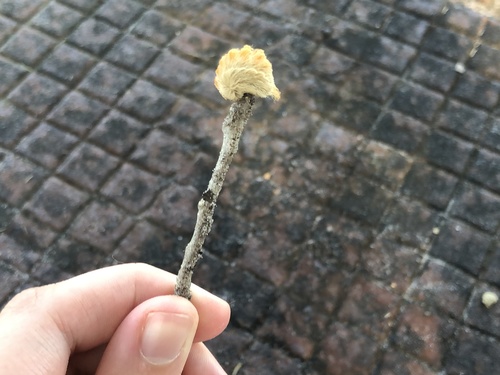
The caterpillar pupates in a cocoon made of dense silk and hairs, often attached to bark or concealed in leaf litter.
Adult (flannel moth)
Adults emerge as small, very furry moths. They mate and the female lays eggs; adults do not pose a stinging risk.
🍃Diet and predators
Young eat
Leaves of a wide range of hardwood trees and shrubs (oak, elm, sycamore, cherry, citrus, and many ornamentals).
Adults eat
Adults may not feed much; if they do, they may sip nectar, but feeding is limited and not well documented.
Predators of the young
Birds, predatory insects and parasitic wasps; many predators avoid them because of the venomous spines, though some specialized parasitoids can attack them.
Predators of adults
Bats, night-flying insectivorous birds and predatory insects.
🌱Effect on plants and gardens
Larvae feed on leaves of many broadleaf trees and shrubs including oak, elm, sycamore, black cherry, citrus and various ornamentals. Heavy local infestations can cause noticeable defoliation on small trees and shrubs but widespread, long-term damage is uncommon.
How to get rid of southern flannel moths
Wear thick gloves and use a stick or tongs to remove individual caterpillars and place them in a sealed container before disposal. For larger infestations, prune and destroy infested branches or use targeted insecticides labeled for caterpillar control (consult product label or a professional). Encourage natural enemies such as birds and parasitic wasps. Avoid direct contact and keep children and pets away from caterpillars.
📍Where and when to find it
Look for larvae on the leaves and edges of host trees and shrubs; adults are nocturnal and may be attracted to lights at night.
Best time
Spring through early fall for larvae in warm regions; night-time for adults during the same seasons.
Observation tips
When photographing or observing larvae, keep a safe distance and do not touch. Use a telephoto or zoom lens and wear protective clothing if you must handle them.
✨Fun facts
- The common name 'puss caterpillar' comes from its soft, furry appearance, reminiscent of a cat's fur.
- The caterpillar's hairs hide tiny venomous spines; the sting can be one of the most painful caused by North American caterpillars.
- Despite the caterpillar's defensive sting, some parasitoid wasps specialize in using these larvae as hosts.
?Frequently asked questions
Do puss caterpillars sting?
Yes. The puss caterpillar (larval stage of Megalopyge opercularis) has venomous spines under its hairs; skin contact causes immediate, often intense pain and swelling.
Are southern flannel moths dangerous?
Adults are harmless, but the larvae are medically important because their sting can be very painful and occasionally cause systemic symptoms.
Why is this caterpillar on my house/plant?
Larvae feed on leaves of trees and shrubs. If host plants are near your house, caterpillars may be on them and sometimes wander onto walls, fences or porches.
How do I get rid of puss caterpillars?
Safely remove individual caterpillars with tongs or a stick while wearing gloves and place them in a sealed container. For larger infestations, prune and dispose of infested branches or use targeted insecticides labeled for caterpillar control; consider consulting a professional for heavy outbreaks.
What should I do if stung?
Do not rub the area. Remove hairs/spines with adhesive tape, wash the skin with soap and water, apply ice to reduce pain and swelling, and take pain relievers or antihistamines as needed. Seek medical attention for severe pain, allergic reactions, difficulty breathing, or if symptoms worsen.
📷Photos of the southern flannel moth
More butterflies & moths
This guide was written with AI assistance and fact-checked, last updated 2026-10-09. Identification from photos is never certain: don't handle insects you can't identify, and get medical advice for bites, stings or allergic reactions.