
Viceroy
Limenitis archippus · Brush-footed butterflies
A small North American butterfly that mimics the monarch but uses willow and poplar chemicals for its own protection.
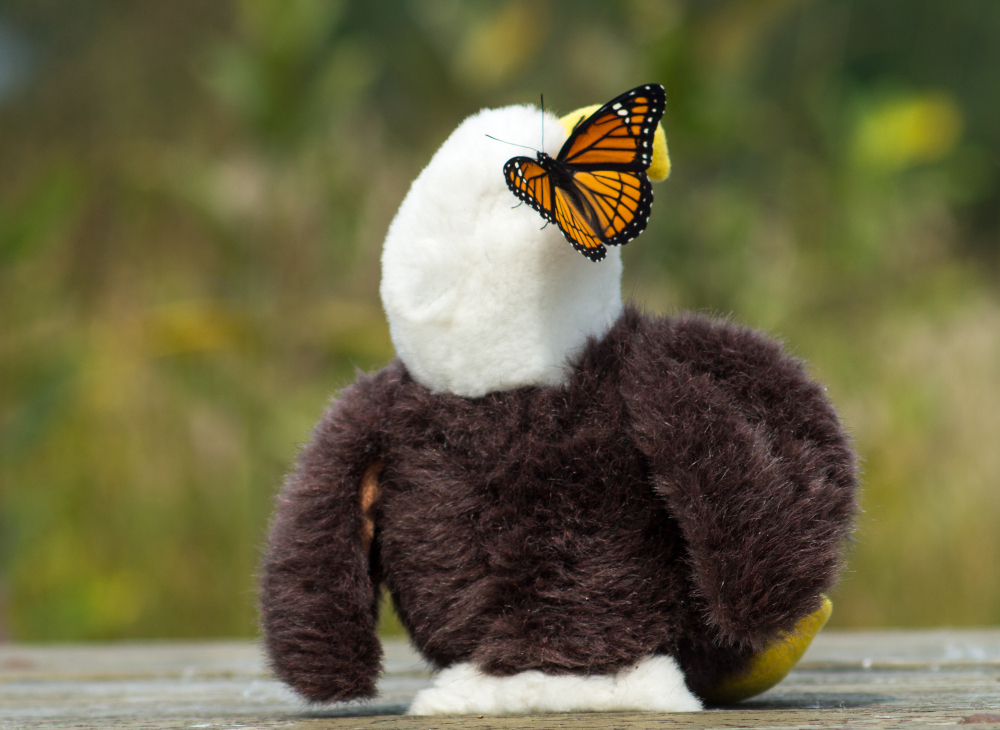
!Is the viceroy dangerous?
No. Viceroys are not harmful to people; they do not bite or sting. Handle gently if necessary — like all butterflies, their wing scales and fragile wings can be damaged by rough contact.
Pets
Not poisonous to pets. No known risk from casual contact or accidental ingestion of an adult butterfly; caterpillars are not a reported threat to dogs or cats.
📖Overview
The viceroy is a day-flying butterfly found across much of North America. It is well known for its close resemblance to the monarch butterfly; this mimicry reduces predation because birds and other predators avoid monarchs. Viceroy caterpillars feed mainly on willow and poplar (Salicaceae) and gain chemical defenses that make them and adults unpalatable. Adults visit flowers, sap flows, and occasionally carrion or dung for nutrients and minerals.
🔍How to identify a viceroy
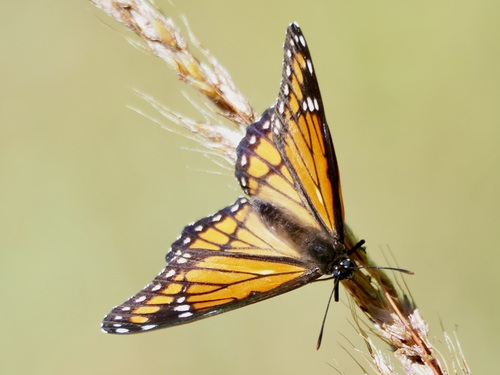
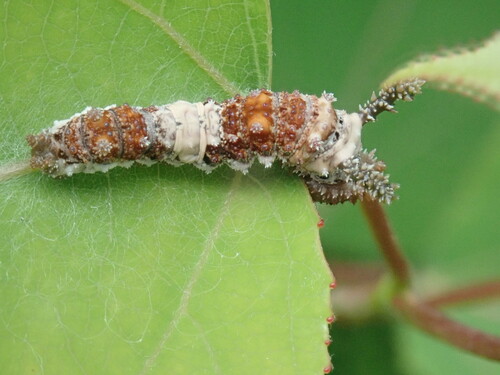
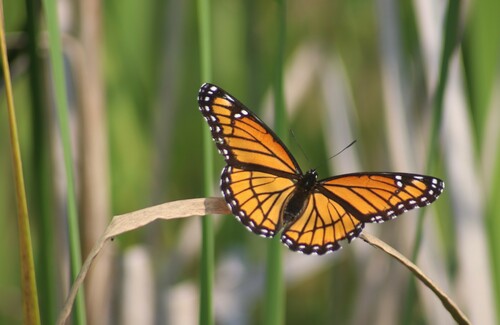
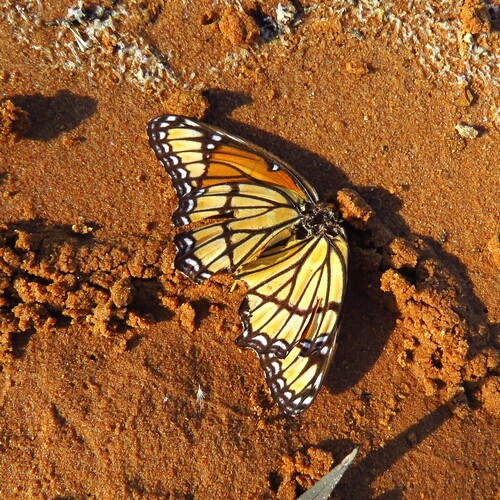
Adult viceroys have orange wings with bold black veins and black borders. A distinguishing feature is a horizontal black line that crosses the hindwing; this is absent in monarchs. The wings are smaller and more rounded than a monarch's, and the black margin is often narrower. Females and males look similar. Caterpillars are rough, dark brown to black with white and orange markings and resemble bird droppings in early instars, later becoming knobby and twig-like. The chrysalis resembles a dried leaf or broken twig.
- Look for a black transverse line across the hindwing — viceroys have this line, monarchs do not.
- Smaller, more rounded wings than monarchs and a narrower black border on the wings.
- Habitat near willows or poplars and observing caterpillars on those trees confirms identification.
Lookalikes
Monarch Danaus plexippus
Monarchs lack the black transverse hindwing line and are generally larger with a slightly different wing venation pattern. Monarchs use milkweed toxins; viceroys use salicylates from willows/poplar.
Queen Danaus gilippus
Queens are darker, with less distinct black venation and different range/habitat; queens are more reddish-brown and less orange than viceroys.
↻Life cycle
Egg
Females lay single eggs on the undersides of leaves of host trees (willow, poplar, cottonwood). Eggs hatch in about 4-10 days depending on temperature.
Larva (caterpillar)
Caterpillars eat host leaves and go through several instars; early instars look like bird droppings, later instars are knobby and twig-like and build a silk pad to rest on. The species overwinters as a young caterpillar inside a rolled leaf shelter (hibernaculum).
Pupa (chrysalis)
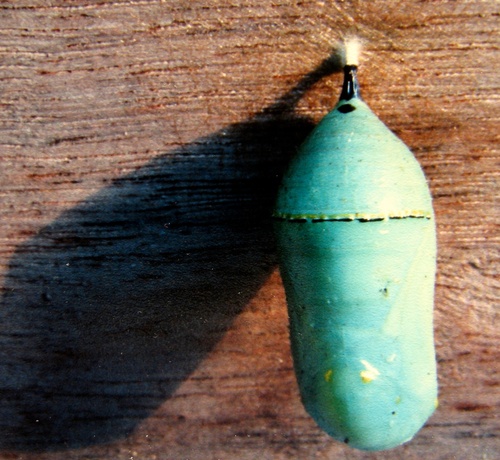
The chrysalis hangs from a twig or leaf and resembles a bird dropping or broken twig; pupation lasts about 8-14 days.
Adult (butterfly)
Adults feed on nectar, sap, rotting fruit, and sometimes animal fluids; they mate and females search host trees to lay eggs. There are one to several broods per year depending on latitude.
🍃Diet and predators
Young eat
Leaves of willows (Salix), poplars and cottonwoods (Populus), occasionally other Salicaceae
Adults eat
Nectar from flowers, tree sap, rotting fruit, and occasionally animal fluids or minerals from damp ground
Predators of the young
Birds, predatory insects and parasitic wasps; early-instar caterpillars avoid predation by resembling bird droppings
Predators of adults
Birds, spiders, small insectivores; mimicry of monarchs reduces bird predation
🌱Effect on plants and gardens
Larvae feed on willow, poplar and cottonwood (Salicaceae). Feeding is rarely heavy enough to harm healthy trees; not an agricultural pest.
📍Where and when to find it
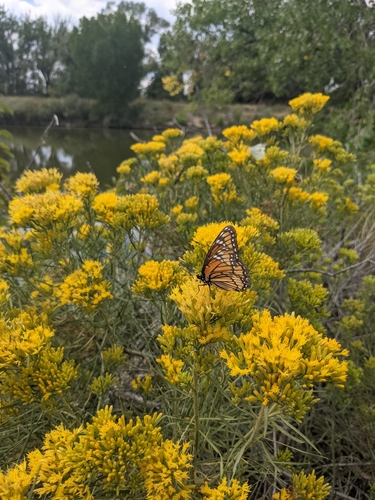
Adults on nectar flowers, sap flows, damp soil and near stands of willows or poplars; caterpillars on leaves and stems of host trees.
Best time
April to September (varies with latitude); sunny days mid-morning to afternoon are best for observing adults.
Observation tips
Look along wetland edges and near willow or poplar trees. Photograph the underside of the hindwing or the hindwing edge to capture the diagnostic black line.
✨Fun facts
- For a long time viceroys were considered Batesian mimics of monarchs, but research shows they are chemically defended too — the relationship may be Müllerian (mutual warning).
- Early-instar caterpillars mimic bird droppings, a very effective camouflage against predators.
- Viceroys often rest with wings closed, showing the characteristic hindwing line to potential predators.
?Frequently asked questions
Are viceroy butterflies poisonous?
Viceroys are not poisonous to touch, but they are unpalatable to many predators due to chemicals sequestered from their host plants (willow and poplar). This makes them effectively protected from some birds.
Do viceroy butterflies bite or sting?
No. Viceroys do not bite or sting people.
Why is a viceroy in my yard?
If your yard has nectar flowers, tree sap, or nearby willows/poplars, viceroys may visit to feed or lay eggs. Gardens with native flowers and host trees attract them.
How can I attract viceroys to my garden?
Plant native nectar flowers and provide host trees like willow, poplar or cottonwood. Avoid heavy pesticide use and leave some leaf litter or sap flows for additional resources.
How can I get rid of viceroy caterpillars on my trees?
Viceroy caterpillars rarely cause serious damage. For occasional defoliation remove caterpillars by hand or use targeted biological controls like Bacillus thuringiensis kurstaki (Btk) if necessary. Avoid broad-spectrum insecticides to protect beneficial insects.
Where do viceroys live and when can I see them?
They live across much of the U.S. and southern Canada in wetlands, riparian zones and meadows. Look for adults from spring through early fall during sunny daytime hours.
📷Photos of the viceroy
More butterflies & moths
This guide was written with AI assistance and fact-checked, last updated 2026-10-10. Identification from photos is never certain: don't handle insects you can't identify, and get medical advice for bites, stings or allergic reactions. More about the viceroy: iNaturalist, Wikipedia.