
Queen butterfly
Danaus gilippus · Brush-footed butterflies
A milkweed-feeding, orange-red butterfly of warm regions that resembles the monarch but is smaller and darker.
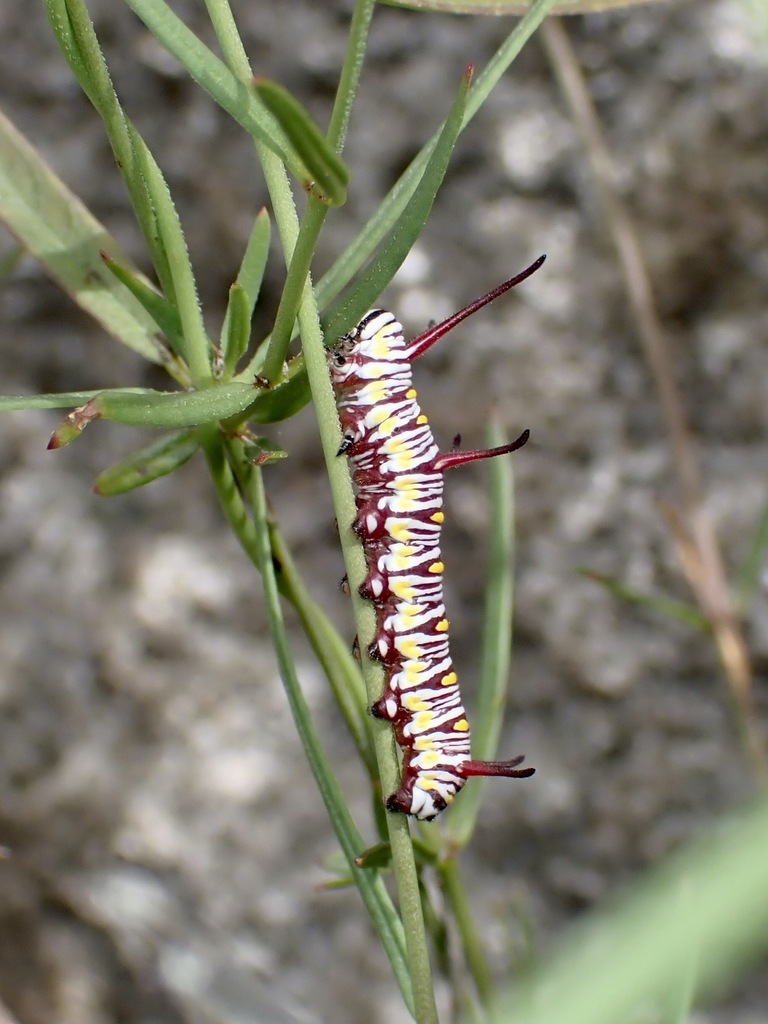
!Is the queen butterfly dangerous?
No. Adult Queen butterflies do not bite or sting and are safe to handle gently. Caterpillars are smooth, have no stinging hairs and concentrate milkweed toxins (cardenolides) that make them unpalatable to predators; these toxins are not a hazard from casual contact, but wash your hands after handling them or milkweed, because milkweed sap can irritate the eyes.
Pets
Generally not dangerous to pets. Ingesting many caterpillars or leaves of toxic milkweeds could upset a pet's stomach; seek veterinary advice if a pet eats large amounts.
📖Overview
The Queen butterfly (Danaus gilippus) is a medium-sized milkweed butterfly found from the southern United States through the Caribbean, Central America and much of South America. Its larvae feed on milkweeds and related plants and sequester cardenolide toxins that make them distasteful to predators. Adults visit flowers for nectar and are often seen in sunny, open habitats, edges and gardens.
Queens are part of the Danaus mimicry complex (which includes the monarch) and show regional variation in color and pattern. They are generally not harmful to people and play a role as pollinators and as part of food webs in their habitats.
🔍How to identify a queen butterfly
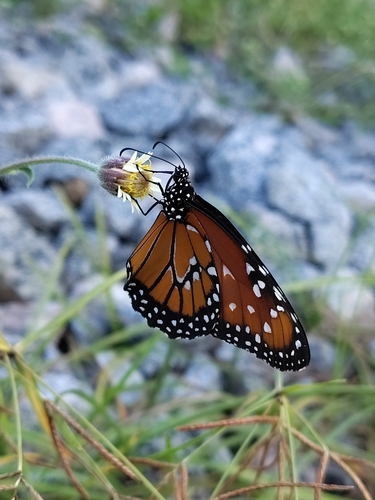
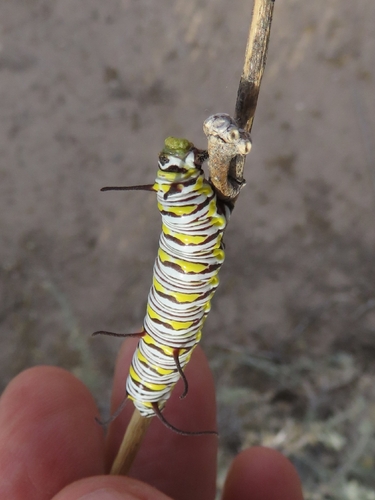
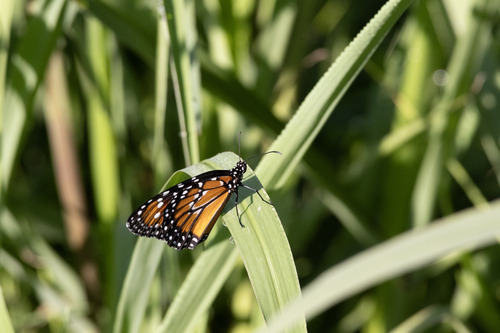
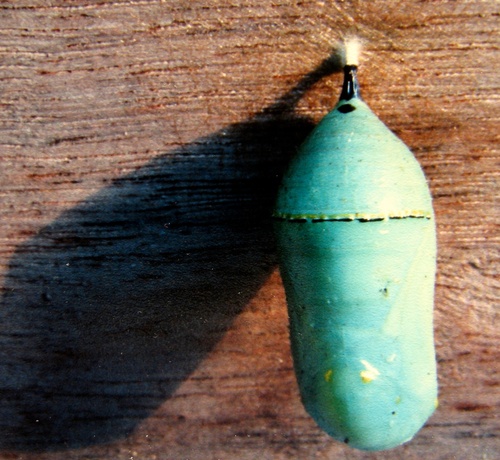
Wings are a rich orange to reddish-brown with black borders and black veins; white spots appear in the outer margin of the forewing and along the black border. The overall tone is darker and more uniformly reddish than the monarch, with less distinct black venation. The underside is similar but usually paler. Caterpillars are banded with black, white and yellow stripes and have three pairs of black tentacle-like filaments (front, middle and rear). Chrysalis is similar to other danaine chrysalides: smooth, metallic-spotted and hanging downward.
- Darker, more reddish-orange wings than the monarch with less distinct black venation
- Black border with white marginal spots on forewing and hindwing
- Caterpillars with alternating black, white and yellow bands and three pairs of black filaments
Lookalikes
Monarch Danaus plexippus
Monarch is usually brighter orange with more pronounced black veins and larger overall size; monarchs have a more contrasting pattern.
Soldier (Tropical Soldier) Danaus eresimus
Soldier is generally darker brown and may have different spot patterns; examine wing tone and venation to separate from Queen.
↻Life cycle
Egg
Tiny, pale eggs are laid singly or in small groups on the leaves or stems of host plants (milkweeds).
Larva (caterpillar)
Striped black, white and yellow caterpillars feed on host plant leaves, growing through several instars while sequestering plant toxins.
Pupa (chrysalis)
A suspended, hard chrysalis with metallic-looking spots; inside the caterpillar transforms into the adult butterfly.
Adult (butterfly)
Winged adult emerges, dries its wings, then seeks nectar, mates and the female lays eggs to start the next generation.
🍃Diet and predators
Young eat
Leaves of milkweeds and related toxic host plants
Adults eat
Nectar from a variety of flowering plants; males also visit plants such as heliotropes to gather alkaloids used in courtship
Predators of the young
Predatory insects, birds and parasitoid wasps; toxicity reduces but does not eliminate predation
Predators of adults
Birds, spiders and other insectivores; many predators avoid them because of their distastefulness
🌱Effect on plants and gardens
Larvae feed on milkweed family plants (Asclepiadaceae/Apocynaceae subfamilies) and other toxic host plants, which they use to become distasteful to predators. Adults visit a variety of nectar flowers and can help pollination.
📍Where and when to find it
Look for adults on nectar flowers, at puddling sites, or resting on vegetation. Search host plants (milkweeds) for eggs and caterpillars.
Best time
Warm months and sunny afternoons are best; in tropical areas they may be seen year-round.
Observation tips
Photograph with a long lens to avoid disturbing them. To photograph caterpillars, check milkweed plants carefully; wear gloves if handling.
✨Fun facts
- Queens are part of a mimicry complex with monarchs and other danaine butterflies, sharing warning colors to reinforce predator learning.
- Caterpillars store toxins from the milkweed plants they eat, which helps protect both caterpillars and adults from predators.
- Some Queen populations roost in groups, where the combined warning coloration may be more effective at deterring predators.
?Frequently asked questions
Do Queen butterflies bite or sting?
No. Adults do not bite or sting. Caterpillars are smooth and do not sting; wash your hands after handling them, as milkweed sap can irritate the eyes.
Are Queen butterflies poisonous to touch?
They sequester toxins from milkweeds that make them distasteful to predators, but casual handling is not toxic to people. Wash your hands afterwards and avoid rubbing your eyes.
Why is a Queen butterfly in my house?
They may enter through open doors or be attracted to indoor plants, lights or flowers. If you find one inside, gently capture it and release outdoors.
How can I get rid of Queen butterflies in my garden?
They're beneficial pollinators and not pests. If you need fewer, reduce or remove milkweed host plants where eggs are laid, or relocate caterpillars manually. Avoid pesticides, which harm many beneficial insects.
Where do Queens live and when can I see them?
Found in warm, open habitats from the southern U.S. through the Americas; active during the day in warm months and in many warm areas year-round.
📷Photos of the queen butterfly
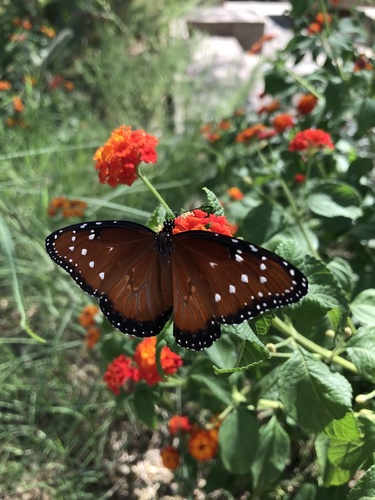
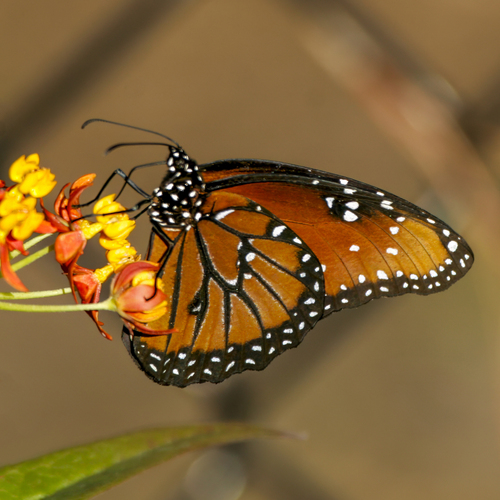
More butterflies & moths
This guide was written with AI assistance and fact-checked, last updated 2026-10-10. Identification from photos is never certain: don't handle insects you can't identify, and get medical advice for bites, stings or allergic reactions. More about the queen butterfly: iNaturalist, Wikipedia.