
Queen butterfly vs Viceroy
These two are easy to mix up. Here's how to tell a queen butterfly from a viceroy, and whether either one bites or stings.
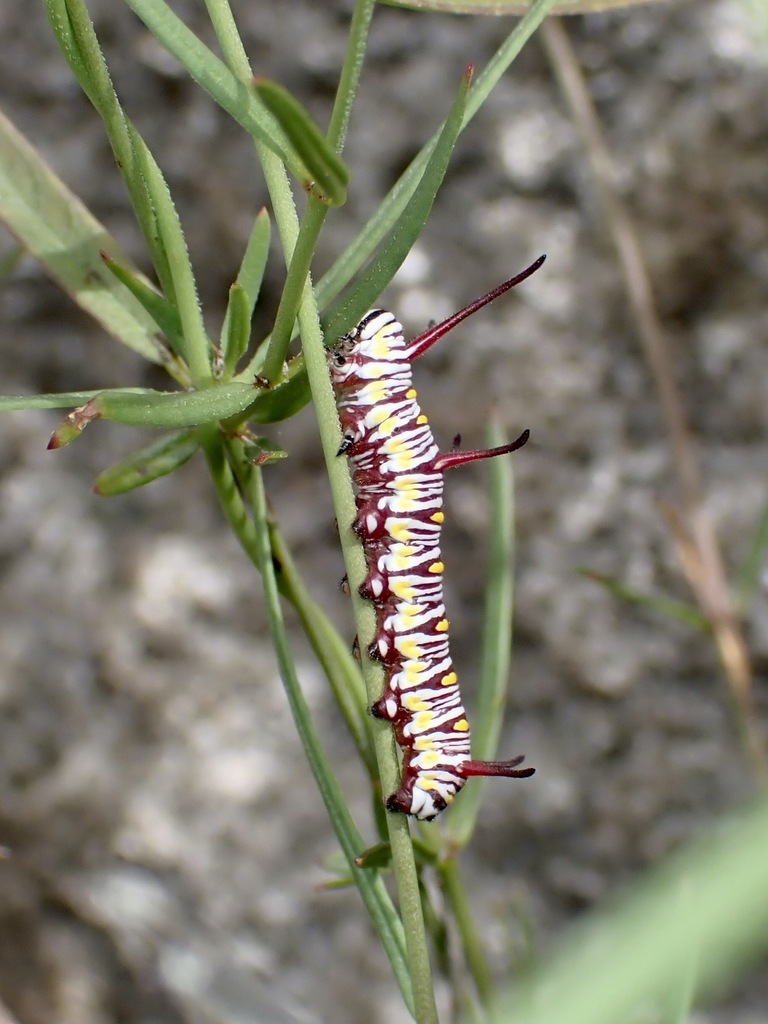
Queen butterfly
Danaus gilippus

Viceroy
Limenitis archippus
≠The key differences
Queens are darker, with less distinct black venation and different range/habitat; queens are more reddish-brown and less orange than viceroys.
⚖︎Side by side
| Queen butterfly | Viceroy | |
|---|---|---|
| To humans | Non-toxic | Non-toxic |
| Size | Wingspan 65-90 mm | 65-76 mm wingspan |
| Colours | Orange-red, Dark brown, Black, White | Orange, Black, Cream |
| Family | Nymphalidae | Nymphalidae |
| Habitat | Open fields, meadows, roadsides, gardens, savanna and edges of woodlands where host plants (milkweeds and related species) grow | Wetlands, riversides, marsh edges, willow- and poplar-lined roads, meadows and gardens near host trees |
| Range | Southern United States (especially Florida, Texas, Arizona and southern California), the Caribbean, Mexico, Central America and large parts of South America | Most of the United States, southern Canada and northern Mexico; absent from much of the far western deserts and Pacific coast |
| Active | Most active in warm months; in warm climates may be present year-round. Diurnal (active during the day). | Spring to early fall (usually April-September depending on latitude), diurnal (daytime active) |
| Pest? | No | No |
🔍How to spot a queen butterfly
- Darker, more reddish-orange wings than the monarch with less distinct black venation
- Black border with white marginal spots on forewing and hindwing
- Caterpillars with alternating black, white and yellow bands and three pairs of black filaments
🔍How to spot a viceroy
- Look for a black transverse line across the hindwing — viceroys have this line, monarchs do not.
- Smaller, more rounded wings than monarchs and a narrower black border on the wings.
- Habitat near willows or poplars and observing caterpillars on those trees confirms identification.
?Frequently asked questions
What is the difference between a queen butterfly and a viceroy?
Queens are darker, with less distinct black venation and different range/habitat; queens are more reddish-brown and less orange than viceroys.
Is a queen butterfly or a viceroy more dangerous?
Queen butterfly: Non-toxic. Viceroy: Non-toxic. Adult Queen butterflies do not bite or sting and are safe to handle gently. Viceroys are not harmful to people; they do not bite or sting.
Identification from photos is never certain: don't handle insects you can't identify, and get medical advice for bites, stings or allergic reactions.