
Silver-spotted skipper vs Large skipper
These two are easy to mix up. Here's how to tell a silver-spotted skipper from a large skipper, and whether either one bites or stings.
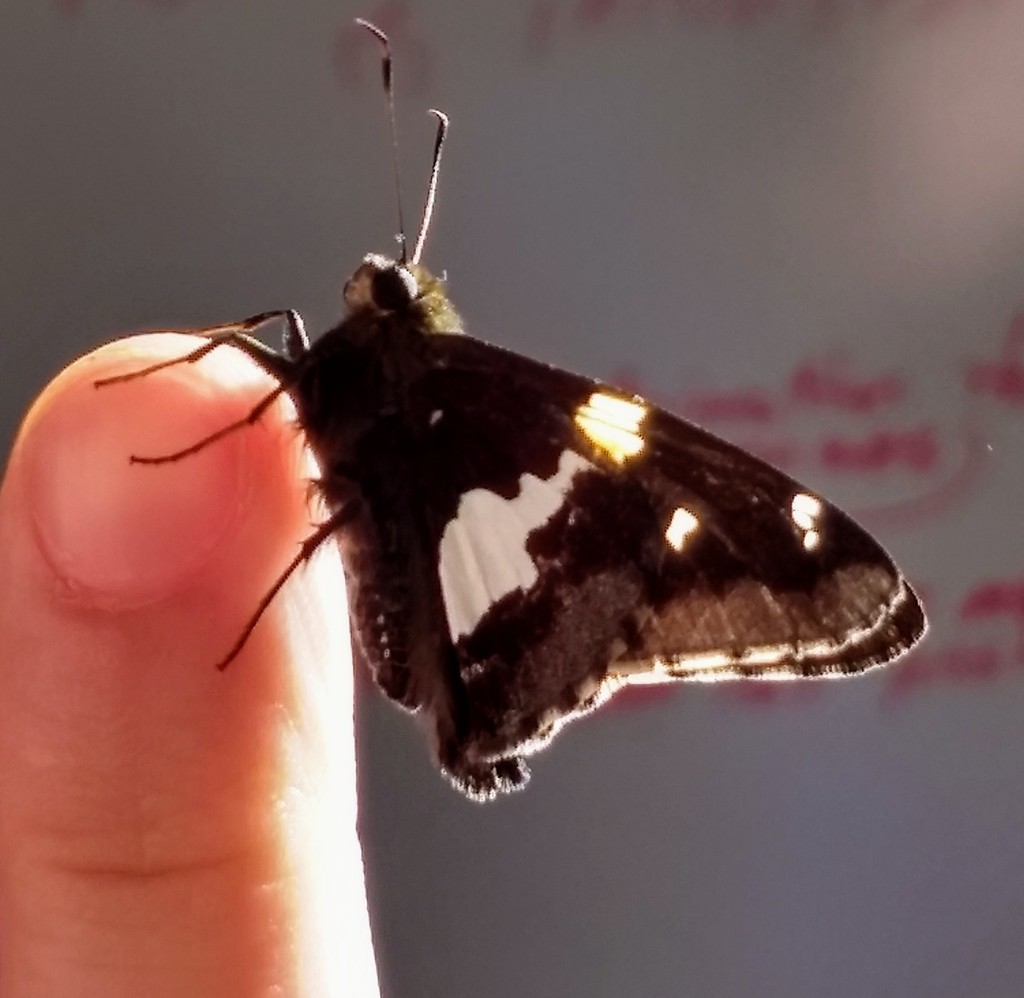
Silver-spotted skipper
Epargyreus clarus
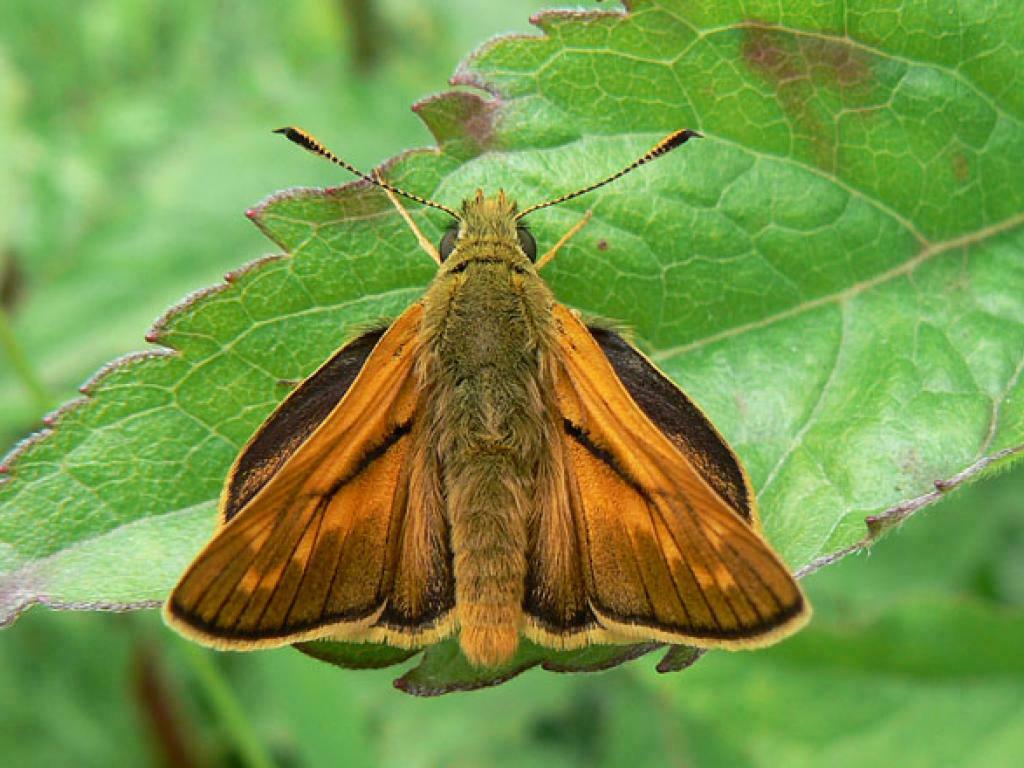
Large skipper
Ochlodes sylvanus
≠The key differences
Different patterning with distinctive silver or pale spots on the under hindwing and a more strongly marked underside; overall appearance and range of markings differ noticeably.
⚖︎Side by side
| Silver-spotted skipper | Large skipper | |
|---|---|---|
| To humans | Non-toxic | Non-toxic |
| Size | 4.5-6.5 cm wingspan | Wingspan 32-37 mm |
| Colours | Dark brown, Orange-brown, Silver-white, Pale yellow | Orange, Dark brown, Yellow-cream, Pale yellow, Black |
| Family | Hesperiidae | Hesperiidae |
| Habitat | Sunny edges of woodlands, fields, roadsides, gardens, parks and disturbed sites; prefers areas with host legumes and nectar flowers. | Sunny grassy places: woodland rides, hedgerows, rough meadows, road verges and field margins. |
| Range | Widespread in eastern and central North America, into parts of western North America; from southern Canada through much of the United States and into northern Mexico. | Temperate Europe and parts of western Asia; common in Britain, continental Europe and locally elsewhere where habitat is suitable. |
| Active | Spring through early fall (multiple broods in warm regions); active during daylight, especially mid-morning to afternoon. | Late spring to mid-summer (typically May to August depending on latitude); active during daylight, especially warm, sunny periods. |
| Pest? | No | No |
🔍How to spot a silver-spotted skipper
- Large silvery-white patch on the underside of the hindwing (the key field mark).
- Dark brown wings with orange patches on the forewing and pale spots near the margin.
- Stout skipper body and hooked antennae tips; wingspan about 4.5-6.5 cm.
- Caterpillars live in characteristic rolled or tied leaf shelters on legume host plants.
🔍How to spot a large skipper
- Orange-brown wings with darker brown borders and faint paler orange spots on the upperside.
- Male often shows a short dark scent brand (stigma) on the forewing; females lack or have it less distinct.
- Rounded forewing tips and a compact, stocky skipper shape; wingspan 32-37 mm (larger than Small Skipper).
- Underside of hindwing greenish-yellow with faint pale spots; look at wing pattern and size to separate from similar skippers.
?Frequently asked questions
What is the difference between a silver-spotted skipper and a large skipper?
Different patterning with distinctive silver or pale spots on the under hindwing and a more strongly marked underside; overall appearance and range of markings differ noticeably.
Is a silver-spotted skipper or a large skipper more dangerous?
Silver-spotted skipper: Non-toxic. Large skipper: Non-toxic. Silver-spotted skippers do not sting or bite people. Harmless to people.
Identification from photos is never certain: don't handle insects you can't identify, and get medical advice for bites, stings or allergic reactions.