
Rose chafer
Macrodactylus subspinosus · Chafer beetles
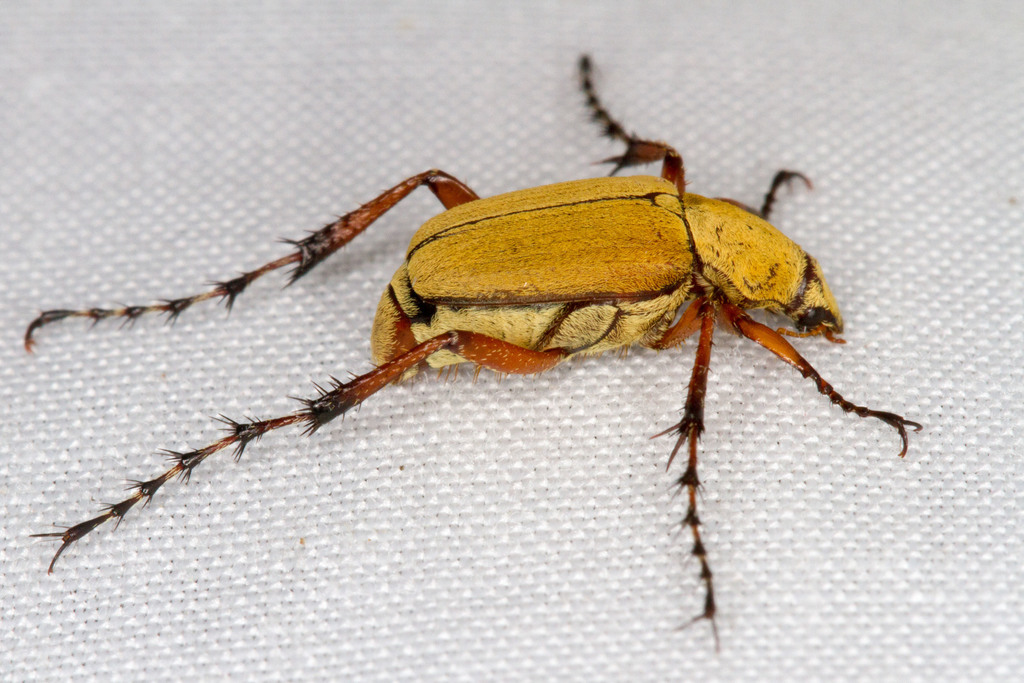
A small, tan-golden scarab beetle that feeds on flowers and foliage of roses, grapes and many garden plants, active in late spring and early summer.
!Is the rose chafer dangerous?
No. Rose chafers do not have venom and are not dangerous. They do not sting; they may nibble if handled but bites are rare and harmless. Wash hands if you handle many beetles.
Pets
Not known to be a problem for cats or dogs, though eating many could cause a mild stomach upset. Rose chafers contain a toxin that can be fatal to chickens and other small birds that eat them, so keep backyard poultry and pet birds away from heavy infestations. Contact a veterinarian if an animal becomes unwell after eating them.
📖Overview
Macrodactylus subspinosus is a common North American chafer beetle notable for feeding in groups on blossoms and foliage. Adults are most conspicuous in late spring and early summer when they fly awkwardly to and from host plants. Larvae are C-shaped white grubs that develop in soil and feed on grass and plant roots. Populations can cause noticeable cosmetic and crop damage in gardens, vineyards and orchards but are not dangerous to people.
🔍How to identify a rose chafer
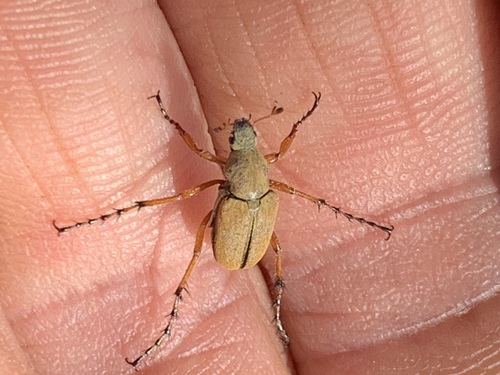
Adults are slender, somewhat elongate scarab beetles with long legs and antennae ending in small lamellate clubs. Their overall colour is a straw-golden to tan or light bronze with fine hairs and sometimes a faint metallic sheen. The legs and undersides are slightly darker. Larvae are typical white, C-shaped scarab grubs with brown heads, found in soil.
- Size about 7-11 mm, slender, straw-golden to light bronze body with fine hairs.
- Long legs and slightly clubbed antennae typical of chafer beetles.
- Active in daytime on flowers and leaves in late spring to early summer; often seen in groups.
- Larvae are white, C-shaped grubs in soil near roots.
Lookalikes
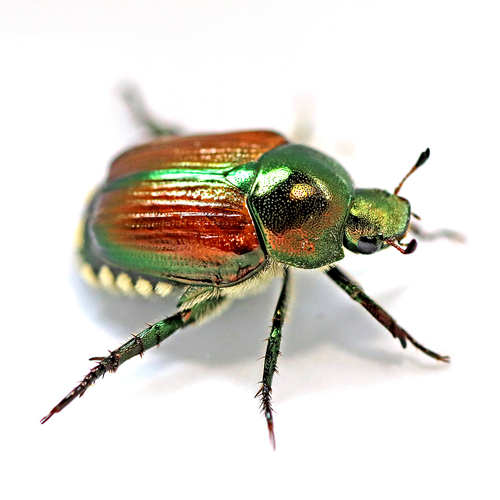
Japanese beetle Popillia japonica
Japanese beetle is smaller to similar size but has metallic green head and coppery wing covers and a distinct row of white tufts along the sides; rose chafer is uniformly tan/golden.
Grapevine beetle Pelidnota punctata
Grapevine beetle is larger (often 20-30 mm) and more orange; rose chafer is much smaller and more straw-colored.
↻Life cycle
Egg
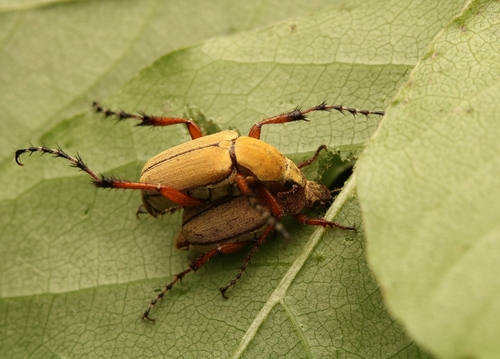
Females lay eggs in soil, often in sandy grassy areas, in early to mid summer shortly after mating; eggs hatch in one to three weeks depending on temperature.
Larva (white grub)
Larvae are C-shaped white grubs that feed on grass and plant roots in soil through summer and fall, then overwinter in the soil.
Pupa
Larvae pupate in soil in spring as temperatures warm, developing into adults.
Adult (beetle)
Adults emerge in late spring and early summer, feed on flowers and foliage for several weeks, mate and the females lay eggs in soil.
🍃Diet and predators
Young eat
Roots and organic matter in soil (grass roots, seedlings).
Adults eat
Flowers, petals, leaves and soft fruit of roses, grapes, fruit trees and many ornamentals.
Predators of the young
Ground beetles, small mammals, parasitic nematodes and entomopathogenic fungi.
Predators of adults
Predatory insects, spiders and some parasitic flies or wasps; many birds avoid them because the beetles contain a toxin harmful to birds.
🌱Effect on plants and gardens
Adults feed on blossoms, leaves and fruit of roses, grapevines, cherries, apples, raspberries and many ornamentals. Feeding often skeletonizes leaves or strips petals; larvae feed on grass roots and can damage lawns and seedlings.
How to get rid of rose chafers
Handpick adults into soapy water early in the day, and cover valuable plants with fine netting or floating row covers during the few weeks of adult activity. Grubs prefer light, sandy soils, so maintaining dense turf and improving sandy areas can reduce breeding. In severe cases on fruit or ornamentals, use insecticides labeled for rose chafer, following label directions and avoiding spraying open blooms visited by bees. Traps are generally not recommended because they can attract more beetles.
📍Where and when to find it
Adults on open flowers, rose blooms, grape leaves and fruit tree foliage; larvae in soil feeding on grass and roots.
Best time
May to July, during warm sunny days; early to mid-afternoon is often best for observing adults.
Observation tips
Photograph them on flowers at close range; sweep-netting over roses and grapevines will catch adults. To spot larvae, inspect soil in lawns or near plant roots in late summer and spring.
✨Fun facts
- Rose chafers often feed in groups and can quickly strip blooms, giving them a reputation as garden pests.
- Despite their name, they feed on many plants besides roses, including grapes, fruit trees and ornamentals.
- Adults are clumsy fliers and are most noticeable during warm, sunny days when they hop between flowers.
?Frequently asked questions
Are rose chafers dangerous to people?
No. They do not sting or carry diseases harmful to people. Handling may cause some nibbling but bites are rare and harmless.
Do rose chafers bite?
They are not known for biting people; any bite would be accidental and minor.
Why are rose chafers in my garden?
Adults are attracted to flowers and tender foliage. Gardens with roses, grapevines or fruit trees provide food and are common feeding sites.
How do I get rid of rose chafers?
Handpick adults into soapy water, use fine netting or floating row covers over susceptible plants during peak activity, encourage birds and beneficial insects, and maintain healthy turf to reduce grub damage. In severe cases, targeted insecticides or biological controls (nematodes) can be used following label instructions.
Do rose chafer larvae damage lawns?
Yes, larvae feed on grass roots and can damage lawns and seedlings if present in high numbers, though damage is usually patchy.
When are rose chafers most active?
Late spring to early summer (commonly May to July), during warm, sunny daytime hours.
📷Photos of the rose chafer
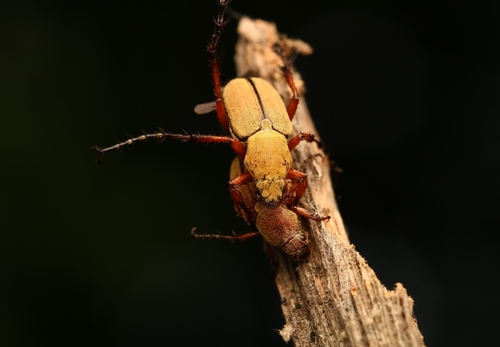
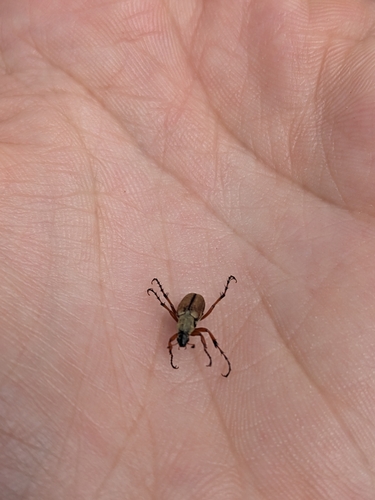
More beetles
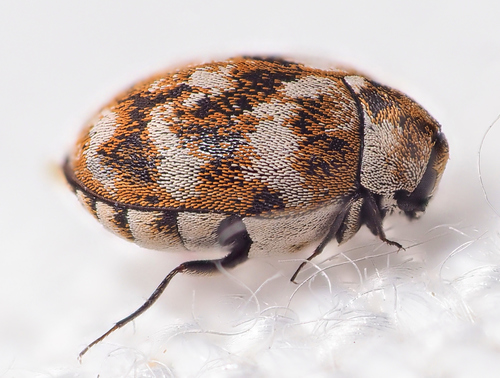
This guide was written with AI assistance and fact-checked, last updated 2026-10-10. Identification from photos is never certain: don't handle insects you can't identify, and get medical advice for bites, stings or allergic reactions. More about the rose chafer: iNaturalist, Wikipedia.