
Dark bush-cricket
Pholidoptera griseoaptera · Bush-crickets
A small, mostly flightless bush-cricket of hedges, woodland edges and gardens across much of Europe, recognized by its dark, compact body and short wings.
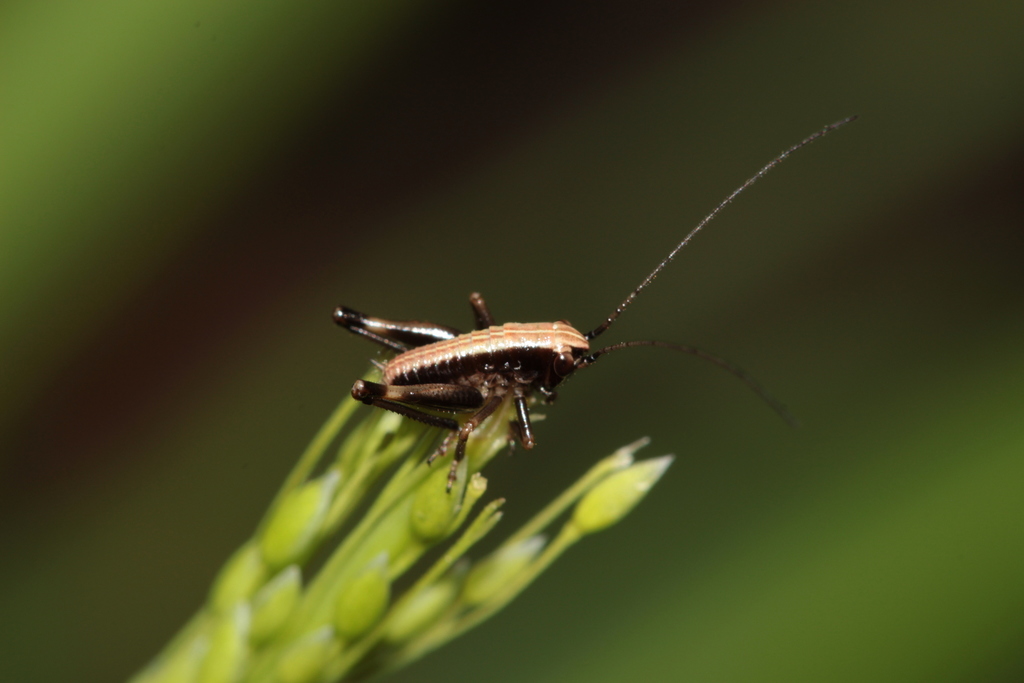
!Is the dark bush-cricket dangerous?
No. Not dangerous. They do not have venom or a sting. A handled individual may give a defensive nip with its mandibles that can pinch but causes only minor, brief pain similar to a small insect bite; clean and monitor the area if skin is broken.
Pets
Generally harmless to pets. Large pets might eat one and could briefly upset stomach but the species is not poisonous to cats or dogs.
📖Overview
Pholidoptera griseoaptera is a widespread European bush-cricket common in hedgerows, scrub, woodland margins and tall grassy places. Adults are typically active from mid-summer into autumn; males produce a quiet, rasping song at dusk. They are largely ground- and low-vegetation dwellers that feed on a mix of plant material and small invertebrates. Females have a noticeable upward-curved ovipositor used to lay eggs in bark crevices or rotting wood.
🔍How to identify a dark bush-cricket
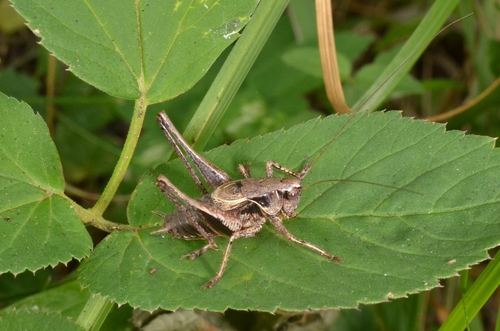
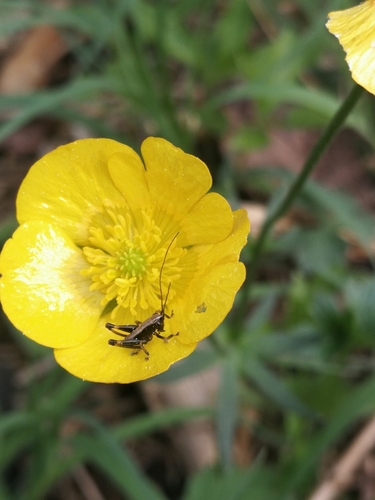
Adults are relatively compact and often dark brown to grey-brown with lighter mottling; wings are short (brachypterous) and do not permit sustained flight. Females are usually a little larger than males and bear a curved ovipositor. Antennae are long and slender. Nymphs resemble adults but lack fully developed wings and reproductive structures until the final moult.
- Short, non-functional wings (brachypterous) so the insect appears compact compared with long-winged bush-crickets.
- Dark brown to grey-brown body with lighter mottling and long, threadlike antennae.
- Females have an upward-curved ovipositor visible beyond the abdomen.
- Quiet, rasping song from males at dusk (so hearing a soft rasp from hedges in summer is a clue).
Lookalikes
Oak bush-cricket Meconema thalassinum
Oak bush-cricket is more uniformly green and has longer wings allowing short flight; Pholidoptera griseoaptera is darker and short-winged.
Alpine dark bush-cricket Pholidoptera aptera
Close relatives may look similar; check range and small differences in wing length and male genitalia—specialist identification may be needed.
↻Life cycle
Egg
Laid in bark crevices or rotting wood in late summer and autumn; eggs usually overwinter twice (about 18 months) before hatching in spring.
Nymph (juvenile)
Series of 5-6 moults over weeks to months; nymphs resemble small adults but lack full wings and reproductive organs.
Adult
Winged but essentially flightless adults appear in mid-summer, mate and continue life into autumn when females lay eggs.
🍃Diet and predators
Young eat
Small invertebrates (aphids, small caterpillars) and soft plant material.
Adults eat
Omnivorous: flowers, leaves, seeds and small insects; opportunistic predator/scavenger behavior.
Predators of the young
Birds, spiders, predatory insects and small mammals.
Predators of adults
Birds, small mammals (shrews, rodents), reptiles and larger predatory insects.
🌱Effect on plants and gardens
Feeds on a mix of soft plant tissue (flowers, leaves) and small invertebrates; rarely causes noticeable garden damage.
📍Where and when to find it
Search hedgerows, scrub, garden borders, grassy banks and leaf litter. Look on low branches and among tall grasses; nymphs are found on low plants and ground litter.
Best time
June to October, especially at dusk and during warm evenings.
Observation tips
Listen for a quiet rasping song at dusk. Use a macro lens or get close at ground level; approach slowly as they hop into vegetation when disturbed.
✨Fun facts
- Despite being called 'bush-crickets', many individuals spend much time on the ground among leaf litter or low plants.
- Males produce a relatively quiet, rasping song—so quiet that you may notice it only at close range or at dusk.
- Wings are too short for sustained flight; they move mostly by hopping and running through vegetation.
?Frequently asked questions
Are dark bush-crickets dangerous?
No. They are non-venomous and pose no medical threat. A defensive bite is rare and only causes minor pain if it breaks the skin.
Do dark bush-crickets bite humans?
They can nip if handled roughly, but bites are uncommon and usually only produce a brief pinch.
Why is a dark bush-cricket in my house or garden?
They are attracted to dense low vegetation, garden hedges and lights at dusk. Individuals may wander into houses from nearby shrubs, especially in late summer.
How do I get rid of dark bush-crickets?
They are harmless; remove by gently catching and releasing outside. To reduce numbers, tidy dense ground vegetation, trim hedges and seal easy entry points to your home.
Where does the dark bush-cricket live?
In hedges, scrub, woodland edges, roadside banks and gardens across much of temperate Europe; prefers dense low vegetation and leaf litter.
📷Photos of the dark bush-cricket
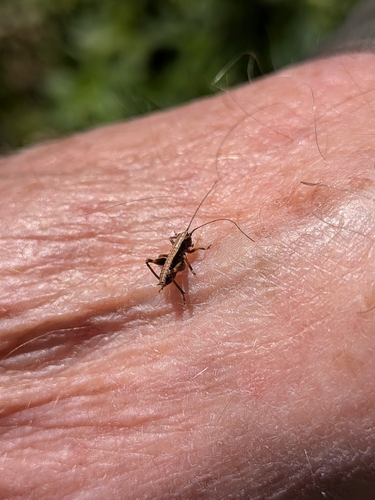
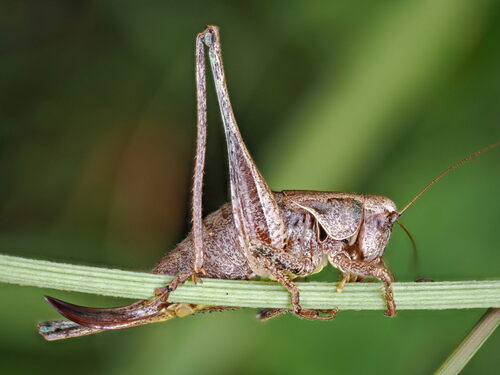
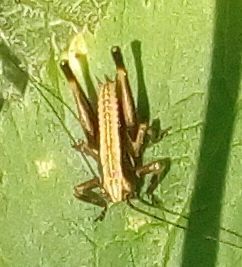
More grasshoppers & crickets
Non-toxic
Non-toxic
Non-toxic
Irritating secretion
Non-toxic
Non-toxic
This guide was written with AI assistance and fact-checked, last updated 2026-10-10. Identification from photos is never certain: don't handle insects you can't identify, and get medical advice for bites, stings or allergic reactions. More about the dark bush-cricket: iNaturalist, Wikipedia.