
Common brimstone vs Clouded yellow
These two are easy to mix up. Here's how to tell a common brimstone from a clouded yellow, and whether either one bites or stings.
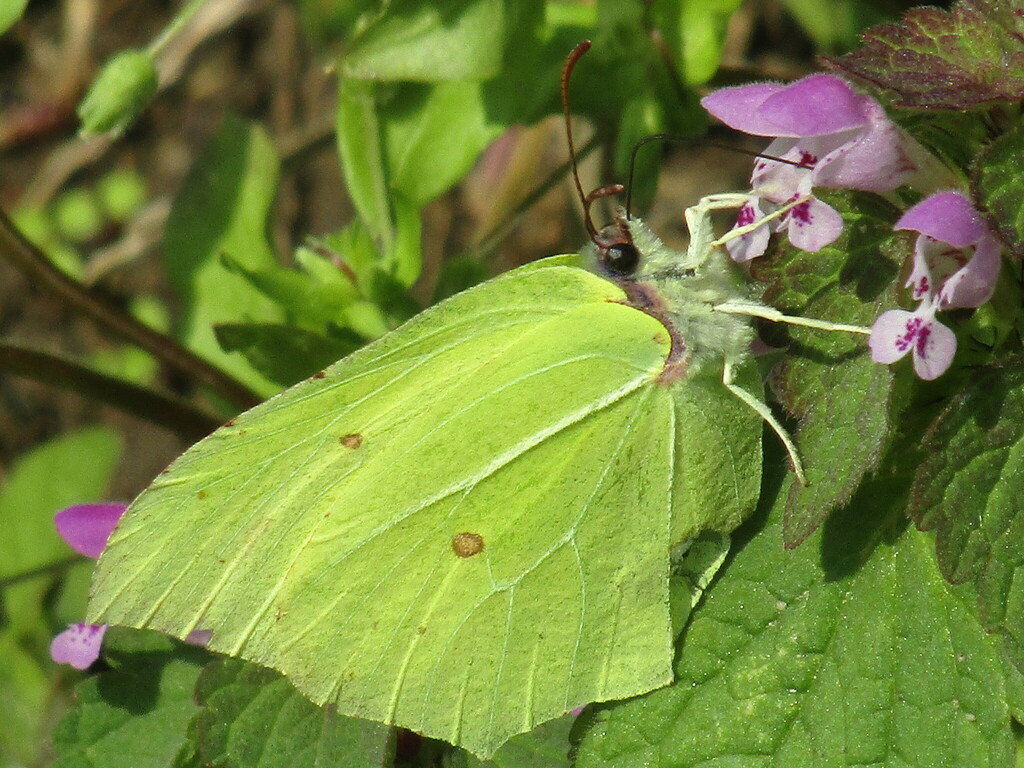
Common brimstone
Gonepteryx rhamni
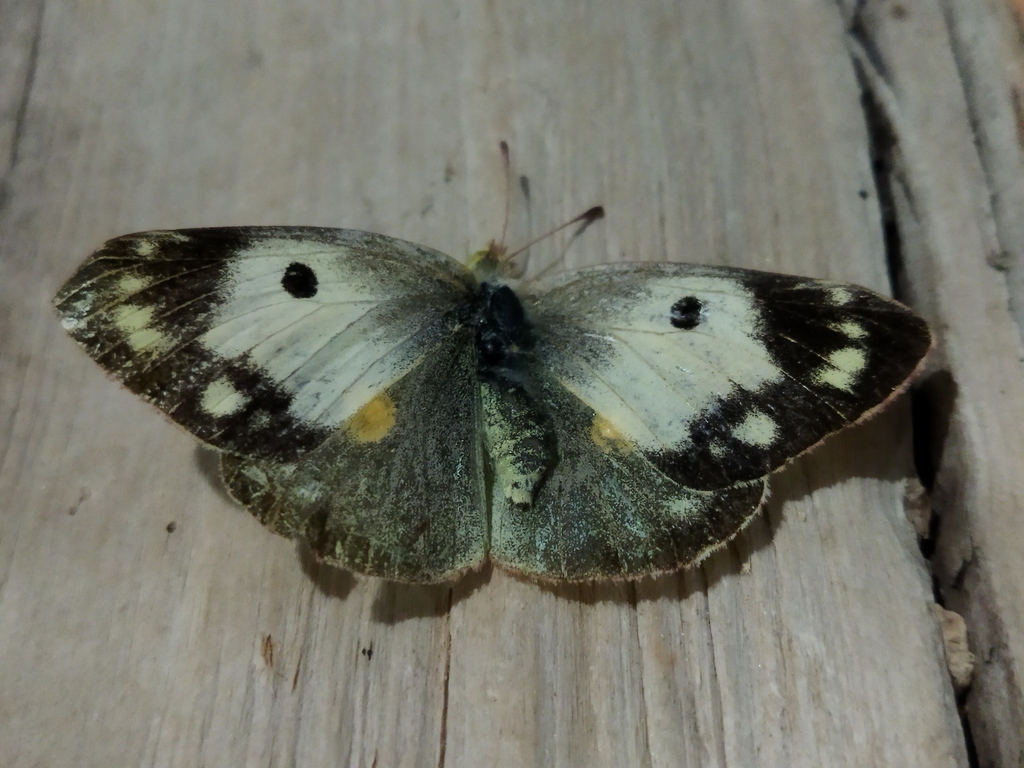
Clouded yellow
Colias crocea
≠The key differences
Clouded yellows are rounder-winged and do not show the strong scalloped, leaf-like wing outline of brimstones; venation and wing shape differ.
Brimstone has more leaf-shaped wings and lacks the dark border and round discal spot; its wing shape and pale underside distinguish it.
⚖︎Side by side
| Common brimstone | Clouded yellow | |
|---|---|---|
| To humans | Non-toxic | Non-toxic |
| Size | 55-70 mm wingspan | 46-54 mm wingspan |
| Colours | Lemon yellow, Pale green, Cream, Orange-brown | Golden yellow, Orange-yellow, Dark brown (wing border), Pale greenish yellow (underside), White (wing spots) |
| Family | Pieridae | Pieridae |
| Habitat | Woodland edges, hedgerows, scrub, parks and gardens where buckthorns occur | Open, sunny habitats: meadows, rough grassland, coastal dunes, roadside verges, farmland and disturbed ground where legume host plants grow. |
| Range | Across much of Europe, North Africa and temperate Asia; common in the UK, continental Europe and parts of western Asia | Widespread across southern and central Europe, North Africa, parts of the Middle East and Asia; regular migrations bring it north to Britain, Scandinavia and farther during warm years. |
| Active | Early spring through late summer; adults often first seen February-May and again July-September depending on region | Spring to autumn; often seen from April to October depending on latitude and climate. Diurnal (active in daylight). |
| Pest? | No | No |
🔍How to spot a common brimstone
- Male bright lemon or sulphur yellow, female pale greenish-white; both have a small discal spot on each wing
- Wings strongly scalloped and pointed at the tips, creating a leaf-like outline when closed
- At rest the wings are held closed over the back, appearing very leaf-like and often camouflaged
- Look for larvae on buckthorn (Rhamnus/Frangula) if searching for eggs or caterpillars
🔍How to spot a clouded yellow
- Bright yellow to orange upperwings with a broad dark brown or black border and a round black discal spot on the forewing.
- Underside of hindwing is greenish-yellow with a silvery-white central spot ringed in pink-red.
- Females have yellow spots within the dark wing border; a pale whitish female form (helice) also occurs.
- Strong rapid flight low over flowers and legumes; size medium with wingspan about 46-54 mm.
?Frequently asked questions
What is the difference between a common brimstone and a clouded yellow?
Clouded yellows are rounder-winged and do not show the strong scalloped, leaf-like wing outline of brimstones; venation and wing shape differ. Brimstone has more leaf-shaped wings and lacks the dark border and round discal spot; its wing shape and pale underside distinguish it.
Is a common brimstone or a clouded yellow more dangerous?
Common brimstone: Non-toxic. Clouded yellow: Non-toxic. Harmless to people; does not bite or sting. Clouded yellows are harmless to people.
Identification from photos is never certain: don't handle insects you can't identify, and get medical advice for bites, stings or allergic reactions.