
Large white vs Marbled white
These two are easy to mix up. Here's how to tell a large white from a marbled white, and whether either one bites or stings.
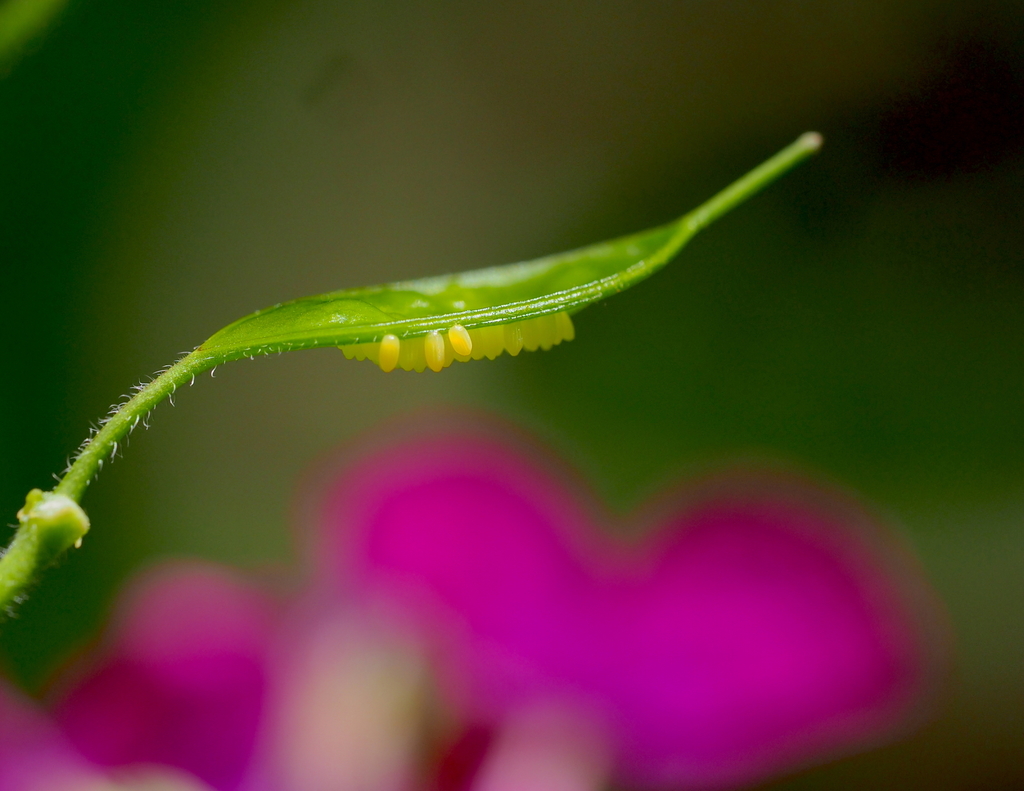
Large white
Pieris brassicae
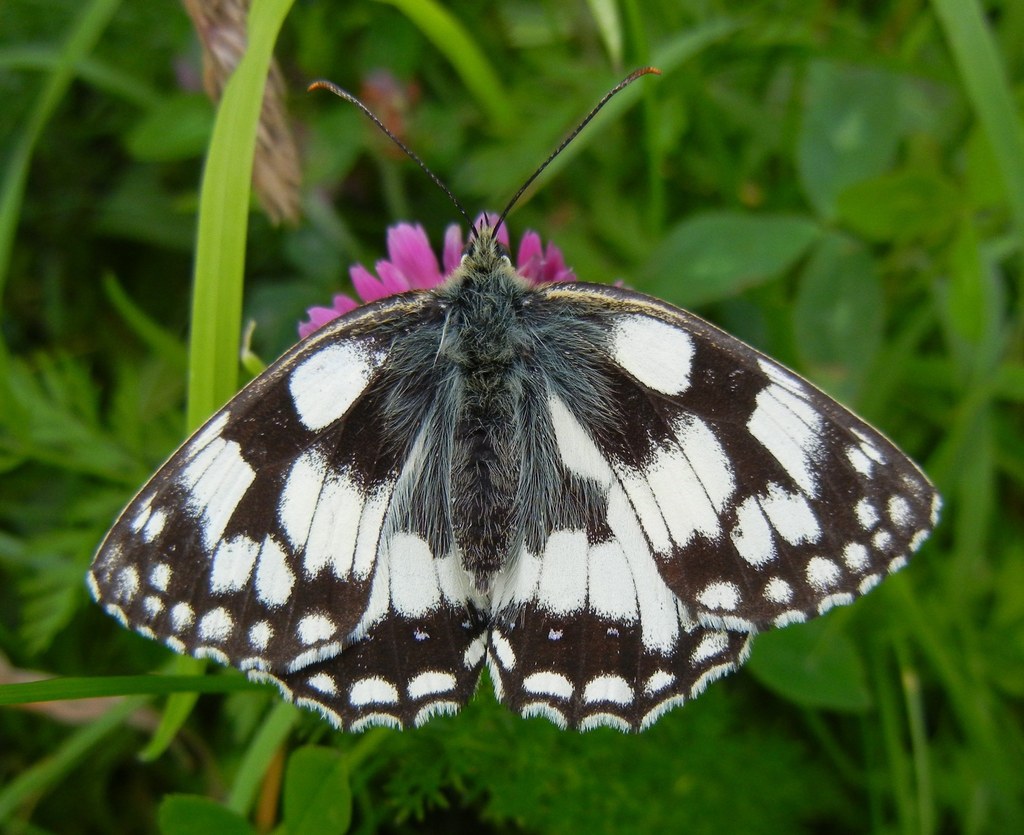
Marbled white
Melanargia galathea
≠The key differences
Much plainer white wings with few black spots and different wing shape; not checkerboard patterned.
⚖︎Side by side
| Large white | Marbled white | |
|---|---|---|
| To humans | Non-toxic | Non-toxic |
| Size | 55-65 mm wingspan | 45-55 mm wingspan (typically 46-52 mm) |
| Colours | White, Black, Pale yellow, Green (caterpillar) | White, Black, Light brown, Grey |
| Family | Pieridae | Nymphalidae |
| Habitat | Gardens, farmland, meadows, hedgerows and other open, flowery places near brassica plants | Unimproved meadows, flowery grassland, roadside verges, light woodland clearings and chalk downland |
| Range | Palearctic: widespread across Europe, North Africa and temperate Asia | Widespread across much of Europe (including southern Britain), extending east to Turkey, the Caucasus and northern Iran |
| Active | Spring to autumn; day-flying and most active in warm, sunny weather | Primarily June to August (peak in July); diurnal, most active on warm, sunny days |
| Pest? | Yes | No |
🔍How to spot a large white
- Large white with 55-65 mm wingspan; bold black wingtips on forewings and two black spots on female forewings
- Males lack the black forewing spots on the upperside (females have two)
- Caterpillars are yellow and bluish-green with black spots and often feed in groups on brassica plants
🔍How to spot a marbled white
- Bold black-and-white checkerboard pattern on the upper wings; no other British or northern European butterfly looks like it
- Rounded wings and a slow, bobbing flight often close to the ground
- Underside paler with similar marbled pattern and faint buff or grey tones
- Habitat: found in unimproved meadows and chalk grassland, rarely in tidy gardens
?Frequently asked questions
What is the difference between a large white and a marbled white?
Much plainer white wings with few black spots and different wing shape; not checkerboard patterned.
Is a large white or a marbled white more dangerous?
Large white: Non-toxic. Marbled white: Non-toxic. Adults and caterpillars are not dangerous to people. Harmless to people.
Identification from photos is never certain: don't handle insects you can't identify, and get medical advice for bites, stings or allergic reactions.