
Western honey bee
Apis mellifera · Honey bees
A highly social, domesticated bee species best known for honey production and pollination, capable of stinging in defense.
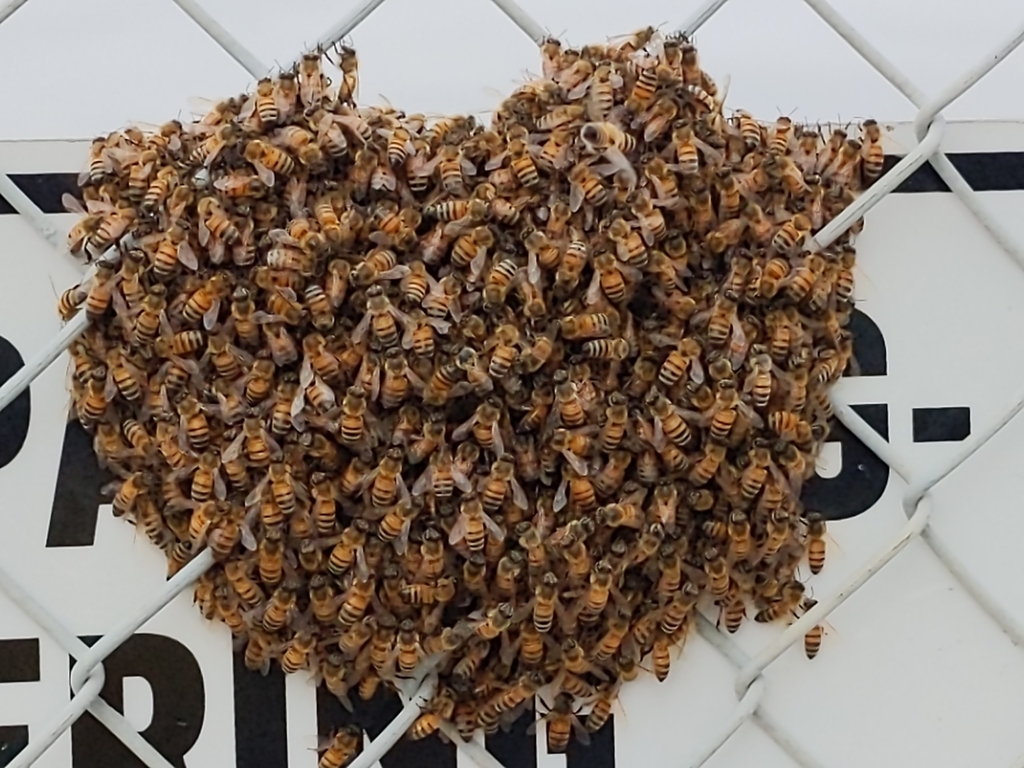
!Is the western honey bee dangerous?
Only mildly. Workers can sting once (barbed stinger typically remains in skin), causing local pain, swelling and itching. Many stings at once can be dangerous even for people who are not allergic. Some people have severe allergic reactions (anaphylaxis) that require immediate medical attention. First aid: remove the stinger promptly (scrape or pull it out quickly), clean the area, apply cold compress and call emergency services for signs of anaphylaxis (difficulty breathing, throat or face swelling, dizziness, widespread hives) and use an epinephrine auto-injector if one has been prescribed.
Pets
Stings can cause localized pain and swelling in pets; multiple stings or allergy can be dangerous. Keep pets away from distressed hives.
📖Overview
The Western honey bee is a social, cavity-nesting bee species kept worldwide for honey, wax and crop pollination. Colonies are organized into a single reproductive queen, thousands of female worker bees, and seasonally produced male drones. Workers perform tasks that change with age (nursing, foraging, hive maintenance), communicate using the waggle dance, and can defend the colony by stinging. Apis mellifera has many subspecies and strains adapted to different climates and beekeeping practices.
🔍How to identify a western honey bee
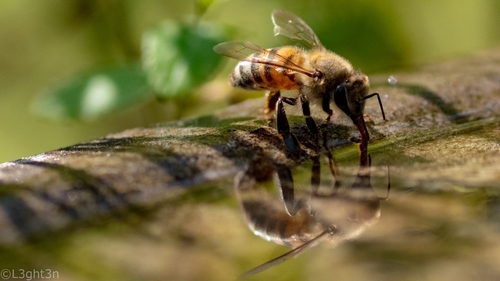
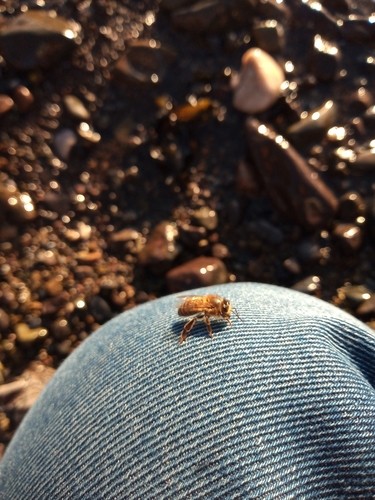
Workers are small to medium-sized bees with a slender, hairy body and clearly segmented abdominal stripes. They have two pairs of wings, antennae with 12 segments (workers), and specialized pollen-carrying structures (corbiculae) on the hind legs. Queens are larger with a longer abdomen and lack pollen baskets; drones are chunky with larger eyes and lack a stinger.
- Worker size 10-15 mm with golden-brown and dark banded abdomen
- Hind legs have smooth pollen baskets (corbiculae) often carrying yellow or orange pollen
- Distinctive waisted body and two pairs of translucent wings; workers have barbed stinger (not visible externally)
Lookalikes
Bumble bee Bombus spp.
Bumble bees are larger, rounder and much hairier; they also carry pollen in pollen baskets but live in smaller annual colonies of tens to a few hundred bees.
Carpenter bee Xylocopa spp.
Carpenter bees are larger and often shiny black on the abdomen; males hover and can be aggressive but lack a stinger.
Eastern honey bee Apis cerana
Very similar but slightly smaller, with more distinct abdominal banding; native to Asia, so geographic context usually separates them.
↻Life cycle
Egg
The queen lays single eggs into individual brood cells. Eggs hatch in about 3 days.
Larva (grub)
Larvae are fed by worker nurses on royal jelly, pollen and nectar; feeding regime determines caste (worker, queen). Larval period lasts about 5-6 days for workers.
Pupa
After capping the cell, the larva pupates and transforms into an adult over several days to weeks depending on caste (workers ~12 days).
Adult
Adults emerge and take on age-related colony tasks; workers eventually forage and can live from weeks to months depending on season.
🍃Diet and predators
Young eat
Larvae are fed a diet of royal jelly (initially), then a mix of nectar and pollen provided by worker bees.
Adults eat
Adult workers consume nectar for energy and collect pollen as a protein source to feed larvae; honey and stored pollen (bee bread) sustain the colony.
Predators of the young
Brood predators include wax moth larvae, small hive beetles, and some ants; brood may also be parasitized by certain mites and flies.
Predators of adults
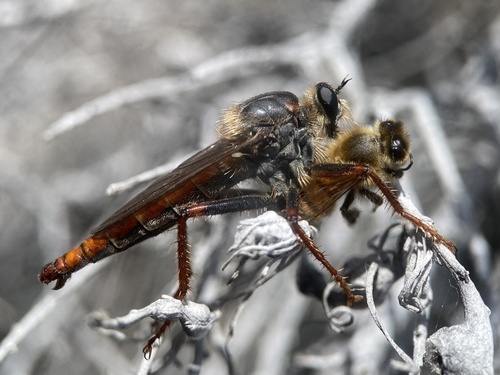
Adult bees are preyed on by birds, dragonflies, spiders and predatory insects; colonies are vulnerable to larger predators like bears, skunks and wasps (e.g., Vespa species).
🌱Effect on plants and gardens
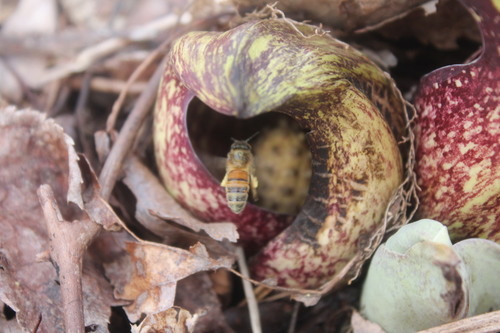
Major pollinator of many wild plants, fruits, vegetables and seed crops. Bees collect nectar and pollen, improving crop yields but can also compete with some native pollinators in regions where they are introduced.
📍Where and when to find it
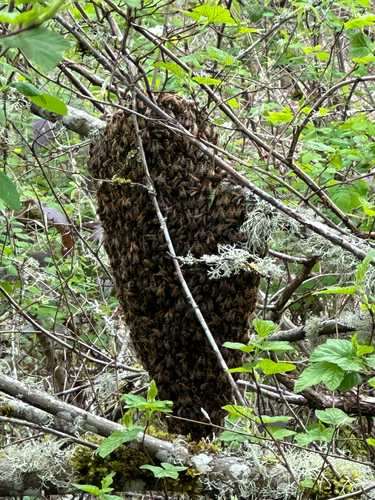
Look for worker bees foraging on flowers, water sources and near hive entrances; swarms may cluster on tree branches or building eaves. Brood and queen are inside cavities and managed hives.
Best time
Spring through early autumn in temperate regions; daytime when flowers are open and warm (about 10-35 degrees C).
Observation tips
Use a telephoto lens to photograph foraging bees; approach calmly, avoid sudden movements and do not disturb swarms or hive entrances.
✨Fun facts
- Honey bees communicate food locations to nestmates using the waggle dance, which encodes distance and direction.
- A single colony can contain tens of thousands of bees and produce surplus honey that humans harvest.
- Honey has natural antimicrobial properties and, kept sealed and dry, can last for many years without spoiling.
?Frequently asked questions
Are Western honey bees dangerous?
Not aggressive by nature but will defend the hive and can deliver painful stings; people with bee allergies are at risk of severe reactions.
Do honey bees sting you more than once?
Worker honey bees typically sting once because their barbed stinger stays lodged and the bee dies after stinging a mammal.
Why do I have honey bees in my house or yard?
Bees are attracted to nearby floral resources and suitable nesting cavities. A swarm (a cluster of bees seeking a new home) may temporarily land on a house, tree or structure while scouts find a permanent site.
How do I get rid of a honey bee swarm or hive safely?
Contact a local beekeeper or professional swarm removal service; do not destroy a hive yourself. Relocation by experienced handlers preserves pollinators and reduces risk of stings.
Where do Western honey bees live?
They nest in cavities such as tree hollows and man-made hives and occupy agricultural, suburban and wild landscapes across most of the world.
How can I attract honey bees to my garden?
Plant a diversity of nectar- and pollen-rich native flowering plants that bloom across the season, provide water sources, and avoid broad-spectrum insecticides.
📷Photos of the western honey bee
More bees, wasps & ants
Bites and formic acid
Painful sting
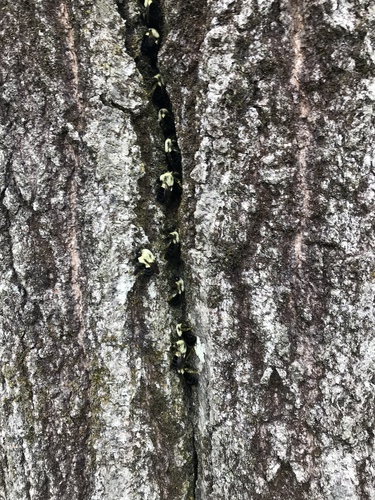
Can sting
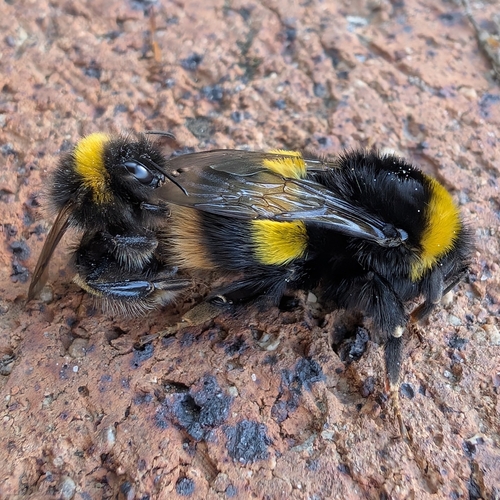
Can sting
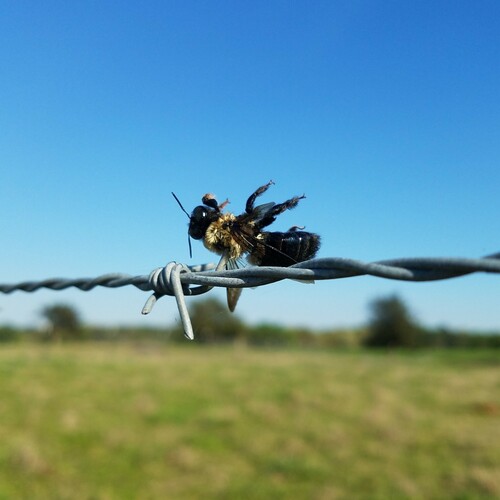
Can sting
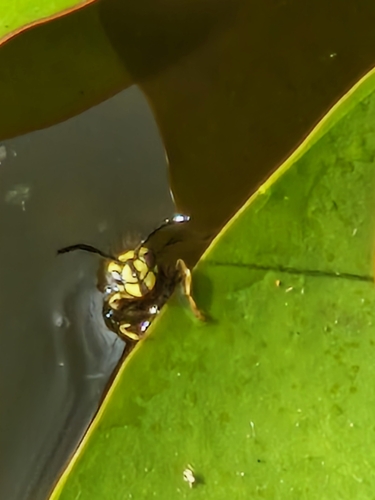
Painful sting
This guide was written with AI assistance and fact-checked, last updated 2026-10-09. Identification from photos is never certain: don't handle insects you can't identify, and get medical advice for bites, stings or allergic reactions.