
Wandering glider
Pantala flavescens · Skimmers
A widely distributed, long-distance migratory dragonfly with a yellow to orange body and clear wings, often seen over ponds and open water.
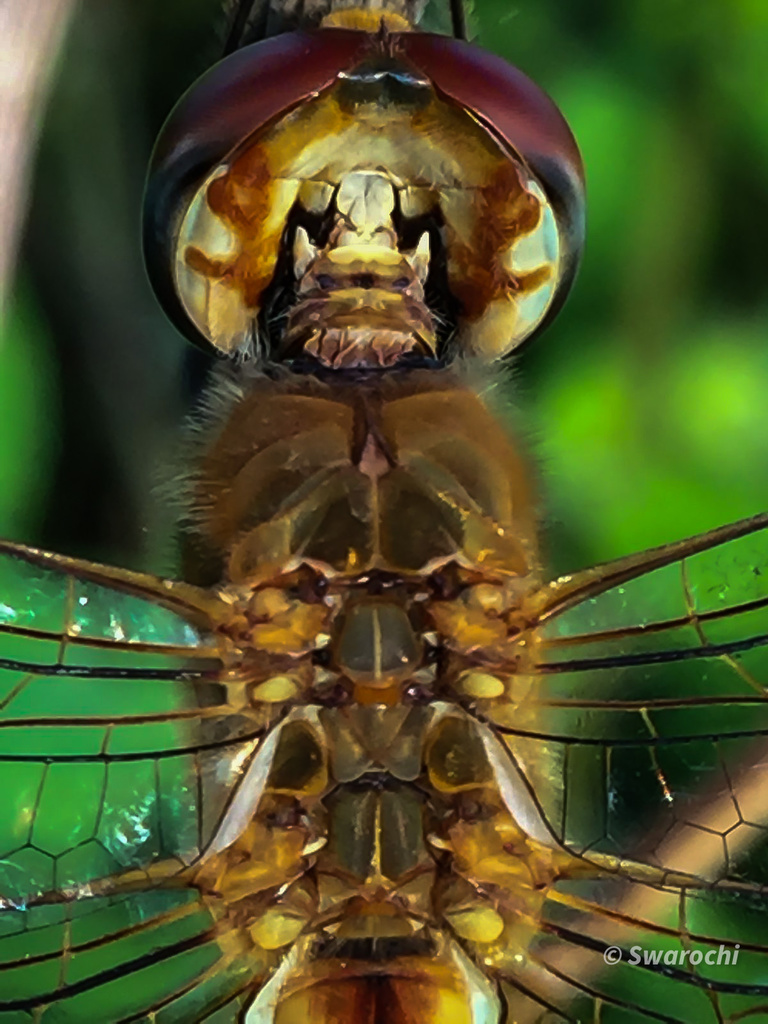
!Is the wandering glider dangerous?
No. Not dangerous. Adults do not have venom and do not seek to bite people. They can take a defensive nip if handled, which is harmless and may cause momentary surprise.
Pets
Harmless to pets. May be eaten by cats or birds, but the dragonfly itself is not toxic.
📖Overview
Pantala flavescens is a medium-sized skimmer dragonfly famous for transoceanic migrations; it occurs on every continent except Antarctica. Adults are strong fliers that patrol ponds, marshes and open water and are often observed far from water during migration. Larvae live and hunt in freshwater habitats. The species is not harmful to people and plays an important role as a predator of nuisance insects.
🔍How to identify a wandering glider
Adults have a slender, cylindrical abdomen that is yellow to orange, sometimes becoming more reddish or brown with age. The thorax is similar in tone to the abdomen. Wings are mostly clear and often show a faint yellow wash at the base; pterostigma (wing cells near the tip) are small and pale. Males and females are similar in appearance, though males may show brighter coloration during mating season.
- Yellow to orange slender abdomen with a cylindrical profile
- Clear wings with a faint yellow wash near the base and small pale pterostigma
- Strong, steady flight often seen patrolling over open water or flying long distances
Lookalikes
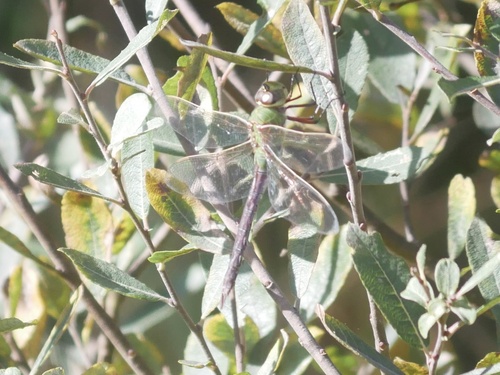
Green darner Anax junius
Green darner is larger with a green thorax and blue abdomen segment in males; Pantala flavescens is generally smaller with a uniformly yellow-orange abdomen.
Spot-winged glider Pantala hymenaea
The spot-winged glider has a distinct dark spot at the base of each hindwing and a browner, less golden body; the wandering glider has only a faint yellowish wash at the hindwing base.
↻Life cycle
Egg
Females lay eggs by dipping the tip of the abdomen into shallow, often temporary, water; eggs hatch into aquatic nymphs.
Nymph (aquatic)
Aquatic nymphs live in freshwater, are predatory, and develop quickly (often in just a few weeks) through multiple molts while hunting small aquatic animals.
Adult
Adults emerge from the water, dry their wings, and become aerial predators; they are strong long-distance fliers and migrate seasonally.
🍃Diet and predators
Young eat
Aquatic invertebrates, mosquito larvae, small aquatic organisms
Adults eat
Flying insects such as mosquitoes, midges, and other small flies
Predators of the young
Fish, larger aquatic insects, amphibians
Predators of adults
Birds, spiders, larger dragonflies, bats
🌱Effect on plants and gardens
Does not damage plants; adults reduce populations of small flying insects including mosquitoes and agricultural pests
📍Where and when to find it
Adults over ponds, marshes, rice paddies and open countryside; nymphs in shallow freshwater bodies and temporary pools.
Best time
Warm months in temperate regions and year-round in the tropics; observe during daylight, especially sunny afternoons.
Observation tips
Watch open water edges and flyways; use a camera with a fast shutter or binoculars to follow their rapid flight. They often rest on exposed perches between flights.
✨Fun facts
- Pantala flavescens is one of the world’s most widely distributed dragonflies and is known for long-distance ocean-crossing migrations.
- Some individuals migrate thousands of kilometers, riding wind currents and seasonal storms.
- They are important natural controllers of mosquitoes and other nuisance flying insects.
?Frequently asked questions
Are wandering gliders dangerous?
No. They are harmless to people and do not have venom. They are beneficial predators of pest insects.
Do wandering gliders bite?
They do not seek to bite people. If handled roughly a defensive nip is possible but it is not harmful.
Why is a dragonfly in my house?
Adults can be attracted inside by lights or may accidentally fly in while hunting. They prefer being near water but will sometimes enter buildings.
How can I get rid of dragonflies humanely?
Open windows or doors and gently guide them out with a cup and a piece of cardboard. Avoid killing them; they are useful predators.
Where does the wandering glider live?
It breeds in temporary freshwater bodies like ponds, flooded fields and puddles; adults travel widely and can be found far from water during migration.
📷Photos of the wandering glider
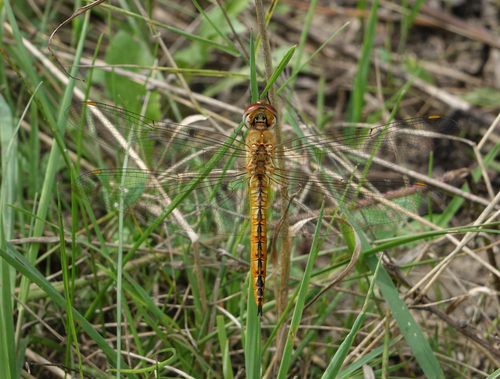
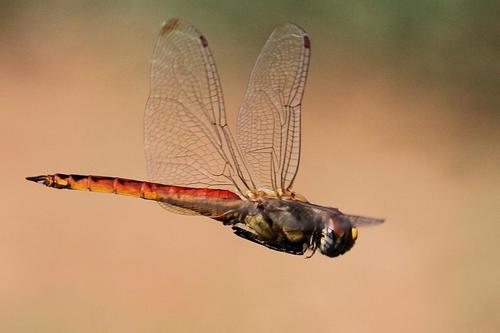
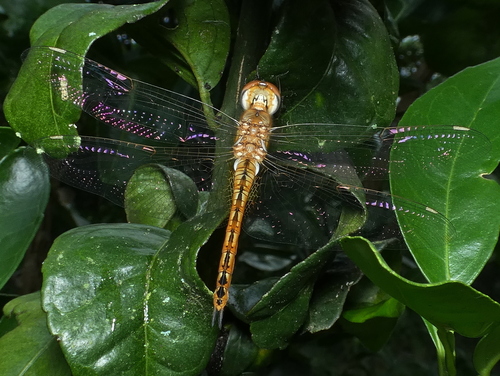
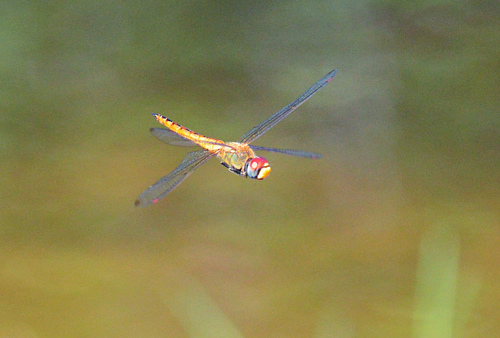
More dragonflies & damselflies
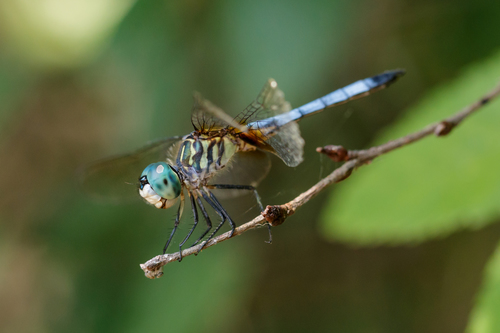
This guide was written with AI assistance and fact-checked, last updated 2026-10-10. Identification from photos is never certain: don't handle insects you can't identify, and get medical advice for bites, stings or allergic reactions. More about the wandering glider: iNaturalist, Wikipedia.