
Surinam cockroach
Pycnoscelus surinamensis · Cockroaches
A burrowing tropical cockroach species that reproduces by obligate parthenogenesis and commonly lives in potted plants, mulch and greenhouses.
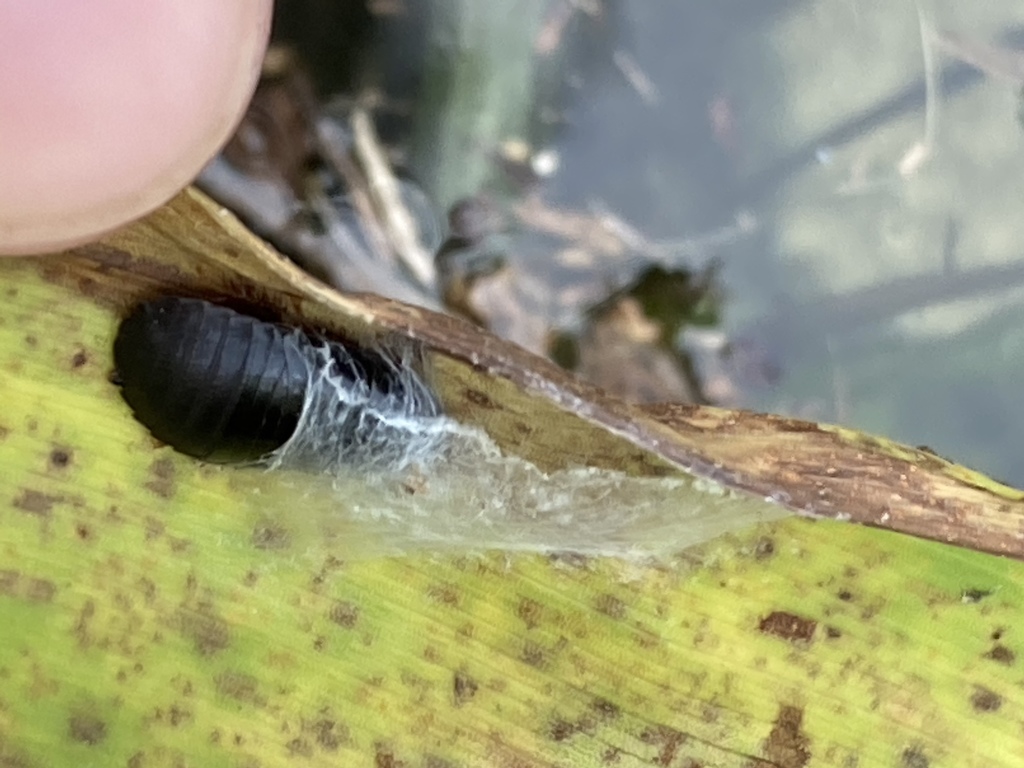
!Is the Surinam cockroach dangerous?
No. Surinam cockroaches do not bite or sting and are not venomous. They are not known as major carriers of human disease like some synanthropic species, but any cockroach can carry surface microbes if present in unsanitary conditions. Standard hygiene (washing hands, cleaning plant soil spills) is sufficient first aid.
Pets
Generally harmless to pets. Large infestations could soil pet areas; avoid pets ingesting large numbers of insects or potting soil which could cause mild digestive upset.
📖Overview
Pycnoscelus surinamensis is a small to medium-sized, burrowing, weak-flying cockroach native to the Old World tropics that has spread worldwide in warm, humid sites. Most populations are entirely female and reproduce by obligate parthenogenesis (clonal reproduction), so males are rare or absent. They live in moist organic material such as potting mix, mulch, compost heaps and greenhouse benches and are commonly moved between locations on potted plants and nursery stock. They primarily feed on decaying plant material and fungi, but can damage seedlings and roots in nurseries and greenhouses.
🔍How to identify a Surinam cockroach
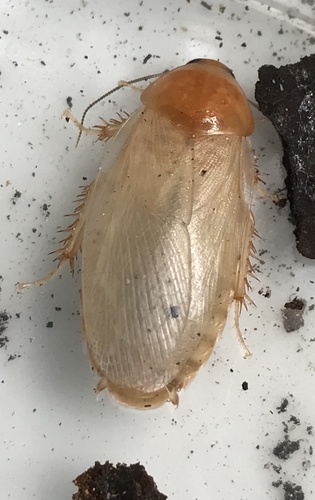
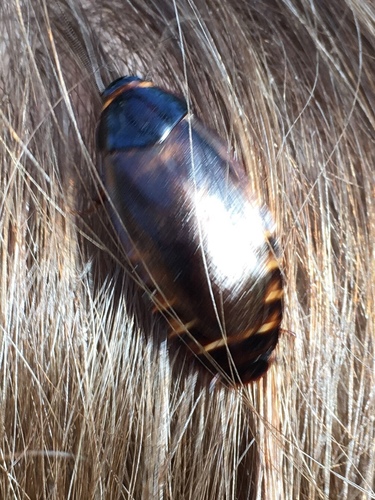
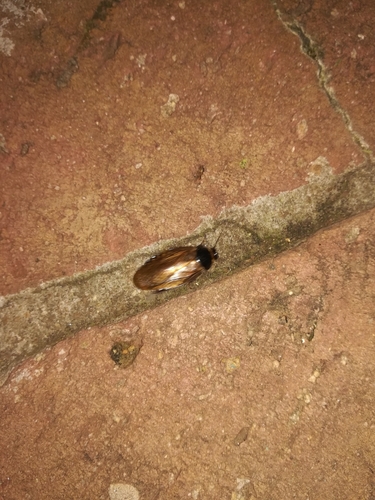
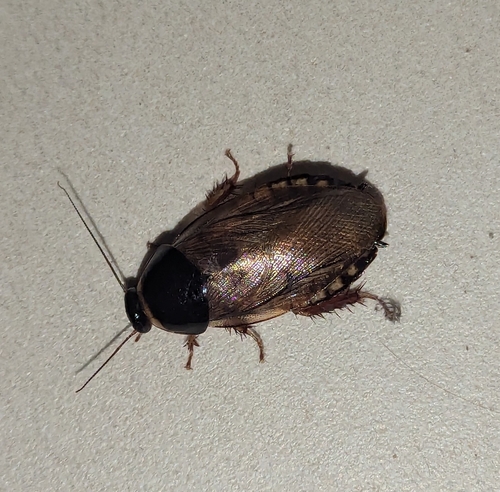
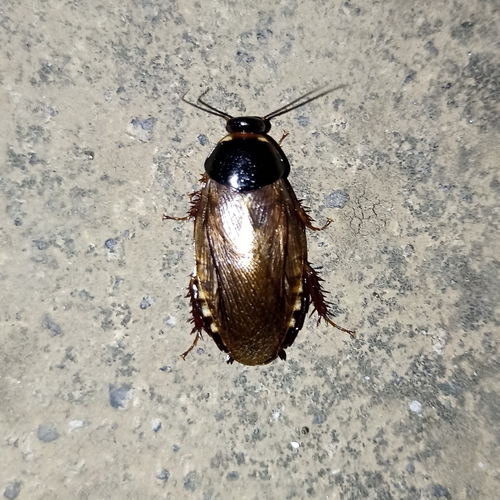
Adults are oval, smooth-bodied cockroaches with a shiny dark brown to blackish body and light brown wings that cover most of the abdomen; the front edge of the pronotum (shield behind the head) often has a pale band. Females rarely fly; when males occur they are slimmer with longer wings. Nymphs are wingless, shiny dark brown to black, with a rough, hardened rear end used for burrowing in soil.
- Medium-sized (about 18-25 mm) oval, shiny cockroach with a dark brown to blackish body, lighter brown wings and long antennae
- Nymphs are wingless, shiny and dark, burrowing in soil; winged males are uncommon
- Found in potting soil, plant containers, mulch, compost or greenhouse benches rather than crawling on walls and kitchens
- Often occurs in clusters in moist, shaded soil or under decaying plant material
Lookalikes
German cockroach Blattella germanica
German cockroach is a strong indoor pest, has two dark parallel stripes on the pronotum and adults have fully developed wings; Surinam cockroaches are larger, darker, lack the stripes and live in soil.
Oriental cockroach Blatta orientalis
Oriental cockroach is larger, darker (shiny black to dark brown) and prefers cool damp areas; Surinam cockroach is smaller, uniformly brown and associated with potting mix and warm moist areas.
Brown-banded cockroach Supella longipalpa
Brown-banded is smaller with pale banding across the wings/abdomen and actively roams indoors; Surinam cockroach lacks banding and stays in soil and plant material.
↻Life cycle
Internal egg stage
Females retain the egg case internally (ovoviviparous); eggs develop inside the mother rather than as an exposed ootheca.
Nymph
Nymphs are born live and resemble small wingless adults; they pass through several molts while living in soil or decaying organic matter.
Adult
Mature females have wings but rarely fly and reproduce without mating; adults continue to live in moist organic microhabitats and produce successive broods.
🍃Diet and predators
Young eat
Decaying plant material, fungi, organic matter and roots in potting mix
Adults eat
Same as juveniles: detritus and fungal material; occasional nibbling on tender roots or seedlings
Predators of the young
Ants, spiders, ground beetles and predatory mites in soil
Predators of adults
Birds, small mammals, reptiles, spiders and predatory insects; ground-foraging predators in gardens
🌱Effect on plants and gardens
Feeds mainly on decaying organic matter and fungi in soils and potting mixes, but large populations can chew roots, damage seedlings and reduce vigor of young plants in nurseries and greenhouses.
How to get rid of Surinam cockroaches
Reduce moisture and remove excess organic debris; repot and inspect new plants before introducing to a greenhouse or home. For localized infestations, discard heavily infested potting mix, replace with fresh sterile mix, and clean containers. In greenhouses or nurseries use exclusion, sanitation, and labeled insecticidal soil drenches or baits targeted by professionals. Sticky traps are of limited use because these cockroaches remain in soil and root zones rather than roaming widely.
📍Where and when to find it
Check potting mix, under drainage saucers, behind greenhouse benches, in mulch, compost piles and under decaying plant material; nymphs and adults stay in the soil/root zone.
Best time
Any month in warm environments; most active at night and in dark, moist microhabitats.
Observation tips
Inspect new nursery plants before bringing them indoors, sift potting mix around seedlings to expose nymphs, and photograph specimens on a neutral background with scale if you need identification help.
✨Fun facts
- Most populations are entirely female and reproduce clonally; males are rarely seen.
- Unlike many cockroaches, females carry eggs internally and give birth to live nymphs.
- They spread easily with potted plants and nursery stock, making them a common hitchhiker in the horticulture trade.
?Frequently asked questions
Are Surinam cockroaches dangerous?
No — they do not bite or sting and are not venomous. They are not major disease vectors, though as with any insect, heavy infestations in unsanitary conditions could contribute to surface contamination.
Do Surinam cockroaches infest houses?
They rarely become household pests in living areas because they prefer moist soil and decaying plant material. They are commonly found in greenhouses, potted plants and nursery stock, and may be noticed indoors when those plants are brought inside.
How did this cockroach get in my potted plant?
Surinam cockroaches live in potting mix, compost and mulch. They are commonly transported between places on nursery stock and potted plants, where eggs or nymphs are hidden in the soil.
How do I get rid of them in my greenhouse or potted plants?
Improve sanitation and reduce moisture: remove decaying organic debris, replace or sterilize infested potting mix, quarantine new plants, and use targeted insecticidal soil treatments or professional pest control in severe infestations. Physical removal and repotting are effective for small infestations.
Do insect baits and traps work?
Because Surinam cockroaches stay in soil and root zones, surface sticky traps and many baits intended for foraging cockroaches are less effective. Soil-applied baits or labeled drench treatments and sanitation are more reliable.
📷Photos of the Surinam cockroach
More cockroaches & termites
Allergen carrier
Allergen carrier
Harmless to people
Contaminant
Allergen potential
Allergen carrier
This guide was written with AI assistance and fact-checked, last updated 2026-10-10. Identification from photos is never certain: don't handle insects you can't identify, and get medical advice for bites, stings or allergic reactions. More about the Surinam cockroach: iNaturalist, Wikipedia.