
American cockroach
Periplaneta americana · Cockroaches
A large, reddish-brown synanthropic cockroach that lives in warm, moist human structures and sewers and is a common household pest.
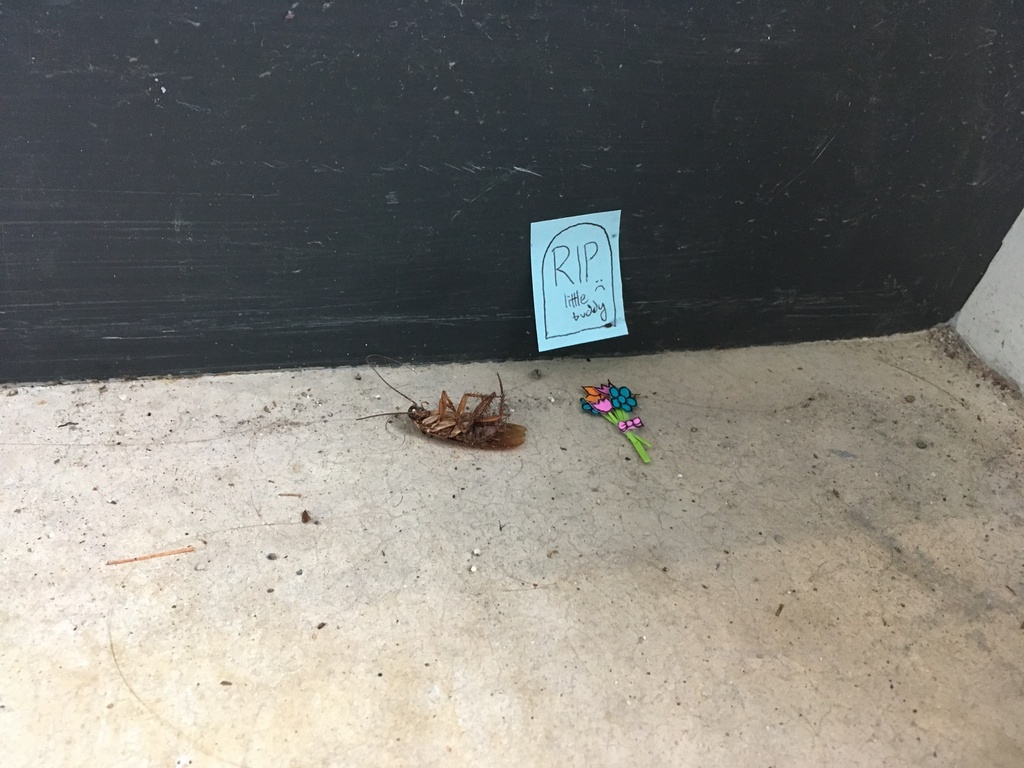
!Is the american cockroach dangerous?
Only mildly. American cockroaches are not venomous and do not inject toxins, but they contaminate food and surfaces with bacteria and can trigger allergic reactions and asthma in sensitized people. If bitten (rare), wounds are typically minor. For contamination concerns, clean exposed food areas with disinfectant and seek medical help if allergic reaction or infection develops.
Pets
Not directly toxic to pets, but like humans they can transfer pathogens. Pets that eat cockroaches may get transient stomach upset; rare cases of parasite or bacterial transfer are possible. Keep pets away from areas with heavy infestations.
📖Overview
Periplaneta americana is one of the largest and most widespread indoor cockroaches. Native to tropical Africa, it is now cosmopolitan in warm buildings and sewer systems where it finds heat, moisture and food. Adults are strong runners and capable of short flights; they are primarily nocturnal and avoid light. They are scavengers that feed on a wide range of organic material and are notable as urban pests because they contaminate food, trigger allergies and can carry microbes on their bodies.
They are not venomous or aggressive toward humans, but heavy infestations present public-health concerns because of their ability to spread bacteria and to produce allergenic debris (feces, shed skins) that can worsen asthma and allergies. Control focuses on sanitation, exclusion and targeted baits or professional pest control for severe infestations.
🔍How to identify a american cockroach
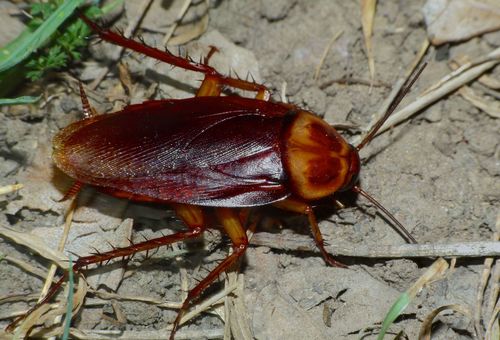
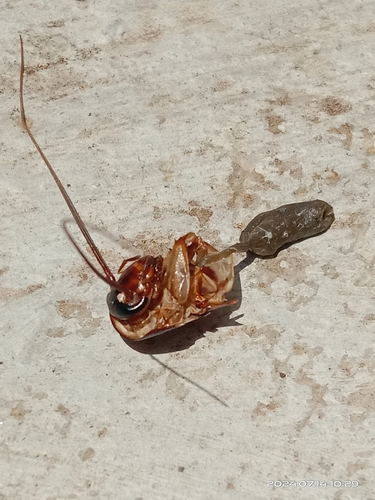
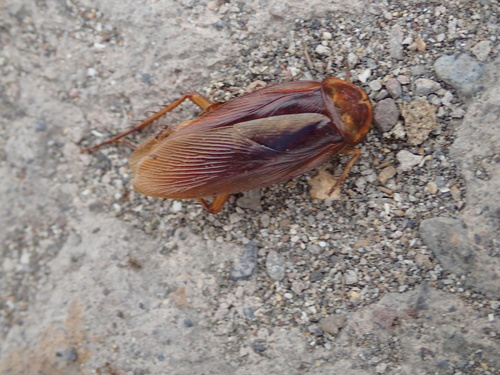
Adults are large (often 30-50 mm body length) and reddish-brown. The pronotum (shield behind the head) has a pale, often yellowish margin and may show a faint central dark area. Wings cover the abdomen in adults; males often have longer, more fully developed wings and may fly short distances, while females have shorter flights. Nymphs are wingless and look like smaller, darker versions of adults, moulting multiple times before reaching maturity. Oothecae (egg cases) are oblong and dark brown, each containing multiple eggs.
- Large reddish-brown body 30-50 mm long with fully developed wings in adults.
- Pronotum with a pale yellowish margin often visible as a ring around the shield behind the head.
- Smooth, shiny body with long antennae and spiny legs adapted for rapid running.
- Adults may fly short distances when disturbed (especially males).
Lookalikes
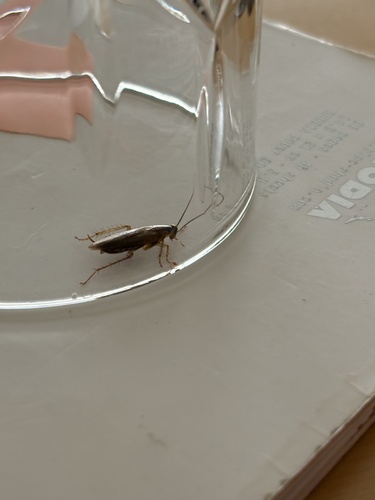
German cockroach Blattella germanica
Smaller (12-16 mm), light brown with two dark parallel stripes on the pronotum; prefers indoor kitchens and is more commonly associated with apartments and restaurants.
Smokybrown cockroach Periplaneta fuliginosa
Similar size and shape but uniformly dark brown to blackish without the pale pronotal margin; more common in warm southern regions and around outdoor lights.
Australian cockroach Periplaneta australasiae
Very similar but typically shows distinct yellow or pale markings on the sides of the pronotum and base of the wings, which P. americana lacks or has less distinctly.
↻Life cycle
Egg (ootheca)
Female produces an oblong egg case (ootheca) containing about 14-16 eggs; egg development time depends on temperature and humidity, often several weeks in typical indoor conditions.
Nymph
Nymphs hatch from the ootheca and pass through multiple molts (instars), gradually developing wings and adult coloration; nymphal period varies with temperature and food availability and can last many months.
Adult
Adults are winged and sexually mature; they mate and females produce new oothecae. Adults can live several months to over a year under favourable indoor conditions.
🍃Diet and predators
Young eat
Omnivorous scavengers: decaying organic matter, starches, grease, food scraps, paper and glue.
Adults eat
Same as juveniles: a wide range of organic material, including stored food, garbage, sewage detritus and non-food items when necessary.
Predators of the young
Spiders, ants, centipedes, small vertebrates and predatory insects.
Predators of adults
Birds, rodents, reptiles, amphibians and larger predatory insects; in urban systems many die from human control measures.
🌱Effect on plants and gardens
Not a plant pest; primarily a scavenger feeding on decaying organic matter rather than living plants or crops.
How to get rid of american cockroachs
Reduce food and water sources (clean spills, store food in sealed containers, remove garbage promptly). Reduce hiding places (declutter, seal gaps around pipes, doors and vents). Use glue traps to monitor; apply insecticidal baits in tamper-resistant bait stations for sustained control. For large infestations, contact a licensed pest-control professional who can use integrated measures (baits, targeted insecticide applications, sanitation). Avoid indiscriminate broadcast insecticide use; it is less effective and increases risk to household members and pets.
📍Where and when to find it
Look at night in basements, boiler rooms, behind appliances, inside drains and sewers; nymphs are found in dark, humid cracks and crevices.
Best time
Year-round in heated buildings; best observed at night with a flashlight when they move to forage.
Observation tips
Check pipe penetrations, under sinks and behind refrigerators. Use a red-filtered light or low beam to reduce startling them for photos; set sticky traps to monitor activity and locate harborages.
✨Fun facts
- Despite the common name, Periplaneta americana is thought to have originated in tropical Africa and was spread worldwide by human activity.
- Adults can survive for up to two or three months without food and several weeks without water, which helps them survive in harsh urban environments.
- They are strong runners and can reach high speeds for their size; adults are capable of short flights or gliding.
?Frequently asked questions
Are American cockroaches dangerous?
They are not venomous but are considered medically important because they contaminate food and surfaces and their shed skins and droppings can trigger allergies and asthma.
Do American cockroaches bite?
Bites are rare. If they occur, they usually cause minor, non-venomous skin irritation. Most health concerns relate to contamination rather than biting.
Why are American cockroaches in my house?
They seek warmth, moisture and food. Common entry points are drains, gaps around pipes and openings to basements or crawl spaces; they also migrate in from sewers and nearby infested structures.
How do I get rid of American cockroaches?
Use integrated methods: eliminate food and water sources, seal entry points, reduce clutter, use glue traps to find hotspots, place insecticidal baits in tamper-resistant stations, and call a professional for heavy infestations.
Can they live in sewers?
Yes. American cockroaches commonly inhabit sewers and drain systems, which provide moisture, warmth and food; sewer populations can reinvade buildings through drain lines.
📷Photos of the american cockroach
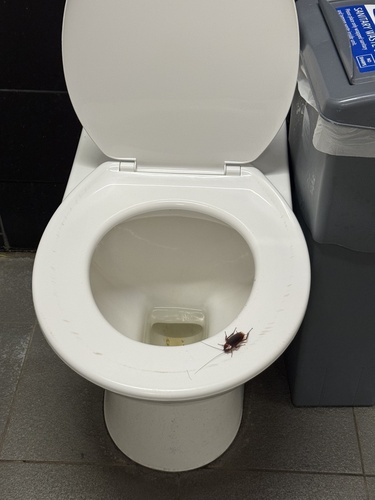
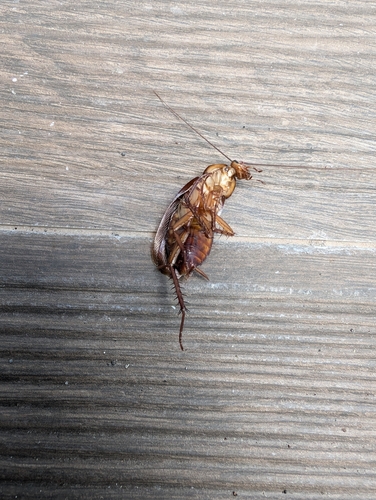
More cockroaches & termites
This guide was written with AI assistance and fact-checked, last updated 2026-10-09. Identification from photos is never certain: don't handle insects you can't identify, and get medical advice for bites, stings or allergic reactions.