
American cockroach vs Australian cockroach
These two are easy to mix up. Here's how to tell an American cockroach from an Australian cockroach, and whether either one bites or stings.
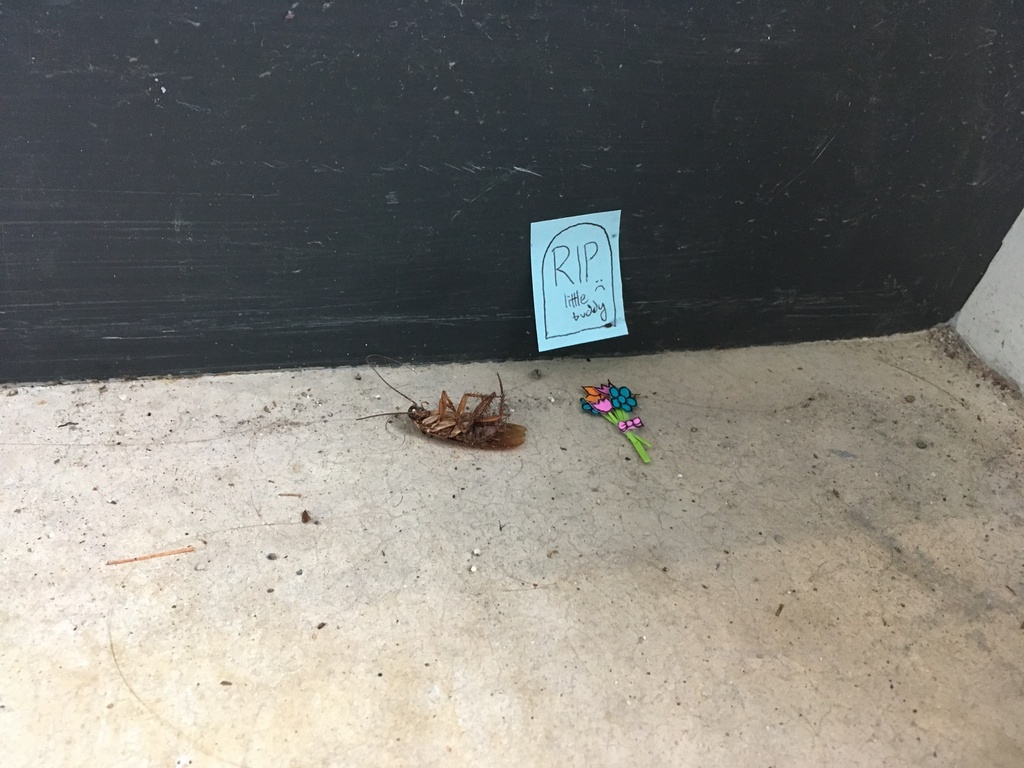
American cockroach
Periplaneta americana
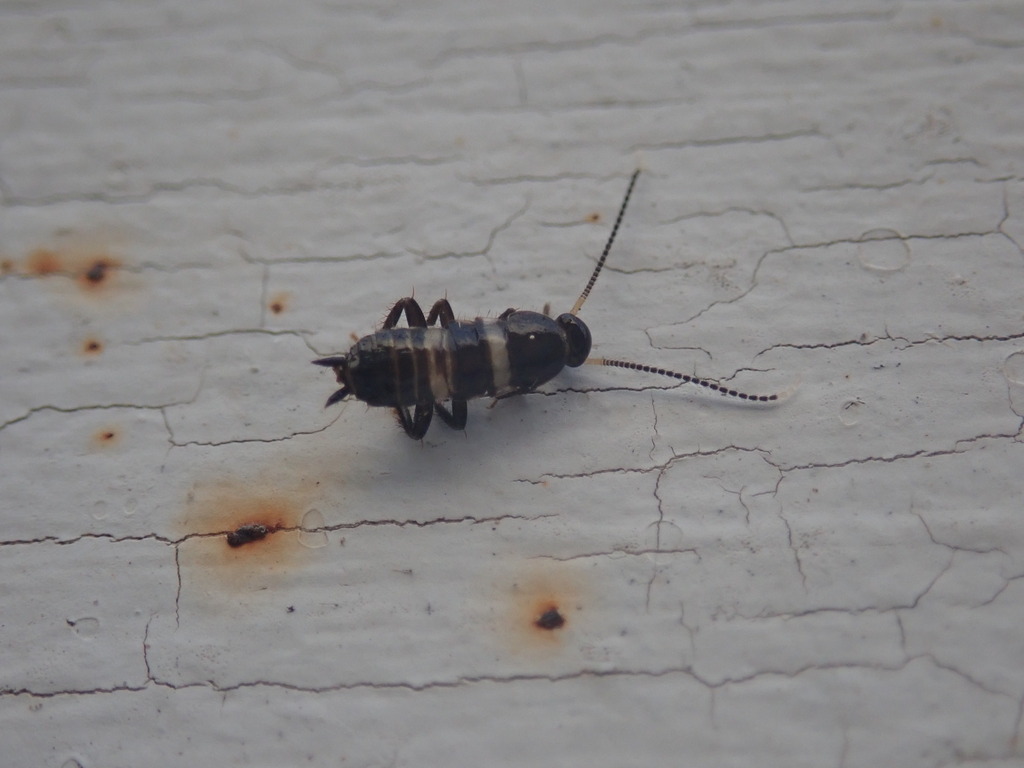
Australian cockroach
Periplaneta australasiae
≠The key differences
Very similar but typically shows distinct yellow or pale markings on the sides of the pronotum and base of the wings, which P. americana lacks or has less distinctly.
American cockroach is generally larger and lacks the clear pale band near the wing base; its pronotum marking differs in shape and color.
⚖︎Side by side
| American cockroach | Australian cockroach | |
|---|---|---|
| To humans | Allergen carrier | Allergen carrier |
| Size | 30-50 mm body length | 25-35 mm body length |
| Colours | Reddish brown, Dark brown, Pale yellow (pronotum margin) | Reddish brown, Dark brown, Pale yellow, Greenish band (appears olive) |
| Family | Blattidae | Blattidae |
| Habitat | Warm, humid places in and around human structures: basements, boiler rooms, sewers, drains, crawl spaces, commercial kitchens and garbage areas. | Warm, humid environments: leaf litter, mulch, compost, greenhouses, sewers, and buildings (especially kitchens, basements and boiler rooms). |
| Range | Originally tropical; now cosmopolitan in warm buildings and sewer systems worldwide, common in temperate regions where it occupies heated structures. | Probably native to tropical Asia or Africa (not Australia, despite the name); now widespread in tropical and subtropical regions worldwide and established in heated buildings and greenhouses in cooler areas. |
| Active | Nocturnal; active year-round indoors and in sewers, most visible at night. | Nocturnal; most active at night. Peak activity in warm seasons or year-round in tropical/subtropical areas. |
| Pest? | Yes | Yes |
🔍How to spot an American cockroach
- Large reddish-brown body 30-50 mm long with fully developed wings in adults.
- Pronotum with a pale yellowish margin often visible as a ring around the shield behind the head.
- Smooth, shiny body with long antennae and spiny legs adapted for rapid running.
- Adults may fly short distances when disturbed (especially males).
🔍How to spot an Australian cockroach
- Reddish-brown body about 25-35 mm long with a pale yellow ring or margin on the pronotum.
- Distinct pale yellow streak along the outer edge of each forewing near the base.
- Long antennae and spiny legs; nymphs are wingless and uniformly darker.
?Frequently asked questions
What is the difference between an American cockroach and an Australian cockroach?
Very similar but typically shows distinct yellow or pale markings on the sides of the pronotum and base of the wings, which P. americana lacks or has less distinctly. American cockroach is generally larger and lacks the clear pale band near the wing base; its pronotum marking differs in shape and color.
Is an American cockroach or an Australian cockroach more dangerous?
American cockroach: Allergen carrier. Australian cockroach: Allergen carrier. American cockroaches are not venomous and do not inject toxins, but they contaminate food and surfaces with bacteria and can trigger allergic reactions and asthma in sensitized people. Australian cockroaches are not venomous and do not pose a direct toxic threat, but they can contaminate food and surfaces with bacteria and allergens.
Identification from photos is never certain: don't handle insects you can't identify, and get medical advice for bites, stings or allergic reactions.