
Surinam cockroach vs Oriental cockroach
These two are easy to mix up. Here's how to tell a Surinam cockroach from an Oriental cockroach, and whether either one bites or stings.
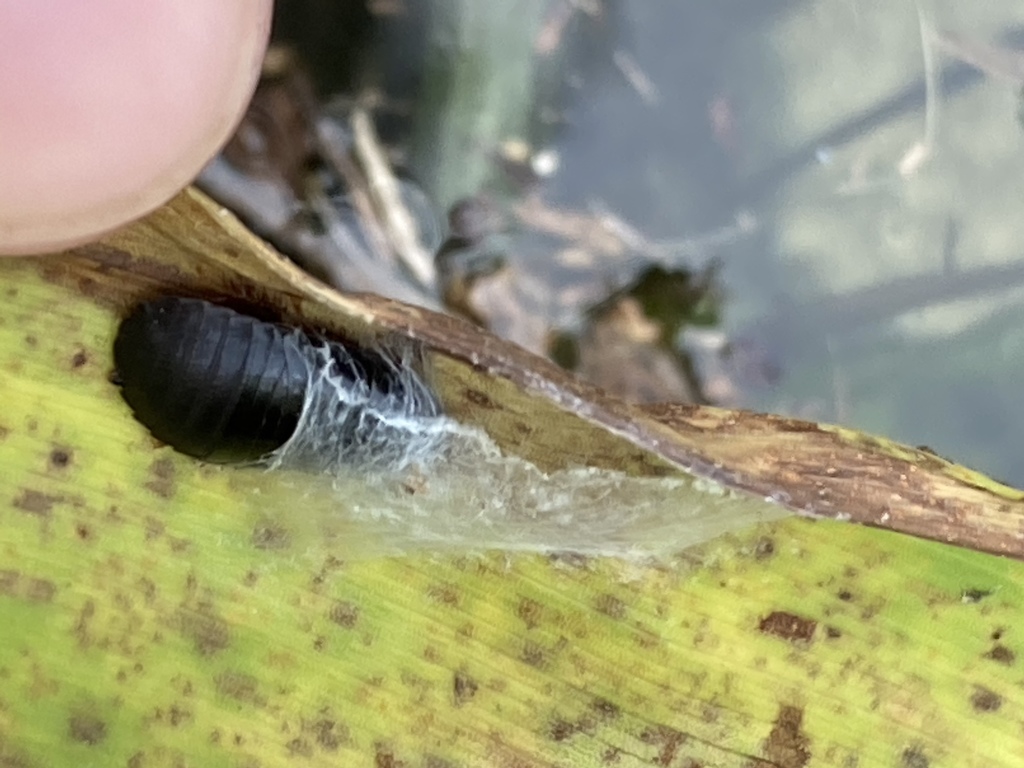
Surinam cockroach
Pycnoscelus surinamensis
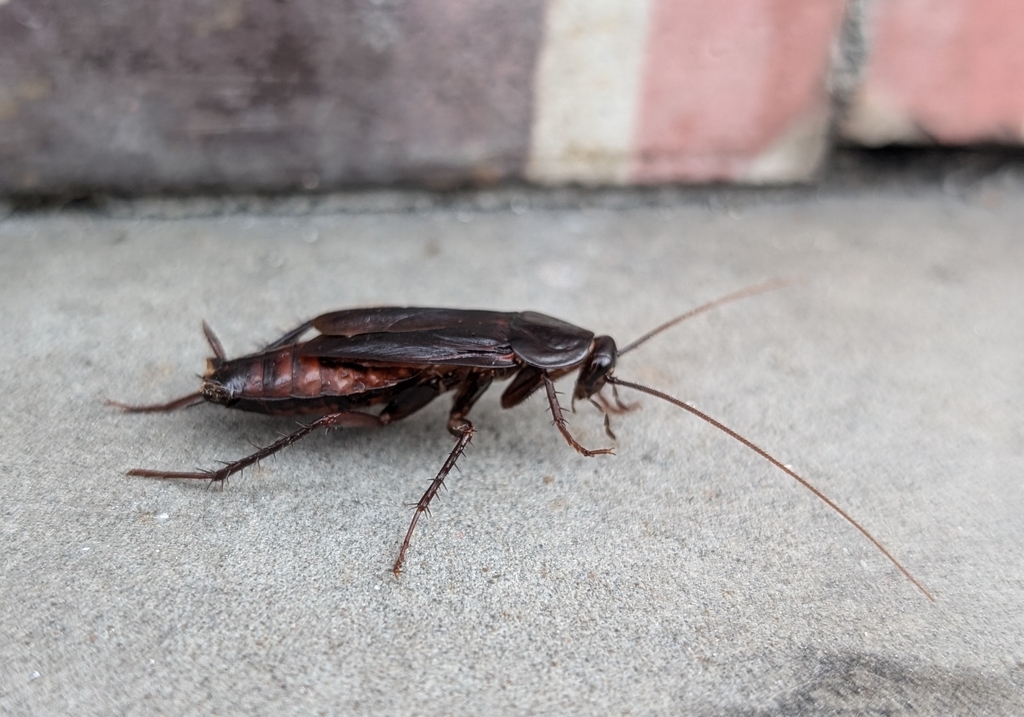
Oriental cockroach
Blatta orientalis
≠The key differences
Oriental cockroach is larger, darker (shiny black to dark brown) and prefers cool damp areas; Surinam cockroach is smaller, uniformly brown and associated with potting mix and warm moist areas.
⚖︎Side by side
| Surinam cockroach | Oriental cockroach | |
|---|---|---|
| To humans | Non-toxic | Contaminant |
| Size | 18-25 mm long | Males about 18-25 mm; females about 25-32 mm (body length) |
| Colours | Light brown, Medium brown, Dark brown | Dark brown, Black, Reddish brown (young nymphs) |
| Family | Blaberidae | Blattidae |
| Habitat | Moist organic material: potting soil, plant containers, nursery benches, mulch, compost heaps, greenhouses and other warm humid microhabitats | Cool, damp and shaded areas around human buildings: basements, crawlspaces, drains, sewers, leaf litter and compost piles. |
| Range | Pantropical and subtropical worldwide; introduced with plant nursery trade and found in greenhouses, gardens and warm indoor plantings in temperate regions | Originally from the Middle East or Mediterranean region; now widespread worldwide in temperate to subtropical regions and commonly established in cities globally. |
| Active | Year-round in warm, humid environments; most active at night or in shaded moist locations | Mostly nocturnal; active year-round in warm buildings, outdoors in temperate climates mainly spring to autumn. |
| Pest? | Yes | Yes |
🔍How to spot a Surinam cockroach
- Medium-sized (about 18-25 mm) oval, shiny cockroach with a dark brown to blackish body, lighter brown wings and long antennae
- Nymphs are wingless, shiny and dark, burrowing in soil; winged males are uncommon
- Found in potting soil, plant containers, mulch, compost or greenhouse benches rather than crawling on walls and kitchens
- Often occurs in clusters in moist, shaded soil or under decaying plant material
🔍How to spot an Oriental cockroach
- Uniform dark brown to black, glossy, oval body about 18-32 mm long.
- Relatively slow-moving and poor climber; often found at ground level or in drains.
- Males smaller with short wings covering most of abdomen; females larger and broader with only tiny wing pads and no flight.
- Found in cool, damp locations such as basements, crawlspaces, leaf litter, compost and sewers.
?Frequently asked questions
What is the difference between a Surinam cockroach and an Oriental cockroach?
Oriental cockroach is larger, darker (shiny black to dark brown) and prefers cool damp areas; Surinam cockroach is smaller, uniformly brown and associated with potting mix and warm moist areas.
Is a Surinam cockroach or an Oriental cockroach more dangerous?
Surinam cockroach: Non-toxic. Oriental cockroach: Contaminant. Surinam cockroaches do not bite or sting and are not venomous. Oriental cockroaches do not bite or sting and are not venomous.
Identification from photos is never certain: don't handle insects you can't identify, and get medical advice for bites, stings or allergic reactions.