
German cockroach vs Surinam cockroach
These two are easy to mix up. Here's how to tell a German cockroach from a Surinam cockroach, and whether either one bites or stings.
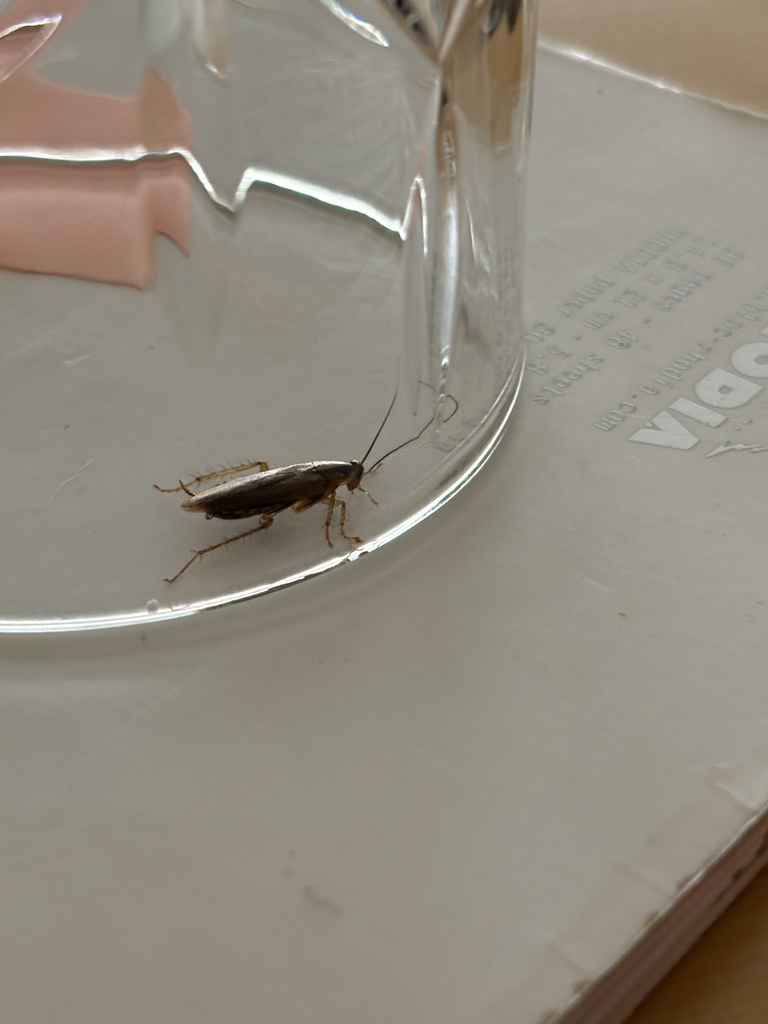
German cockroach
Blattella germanica
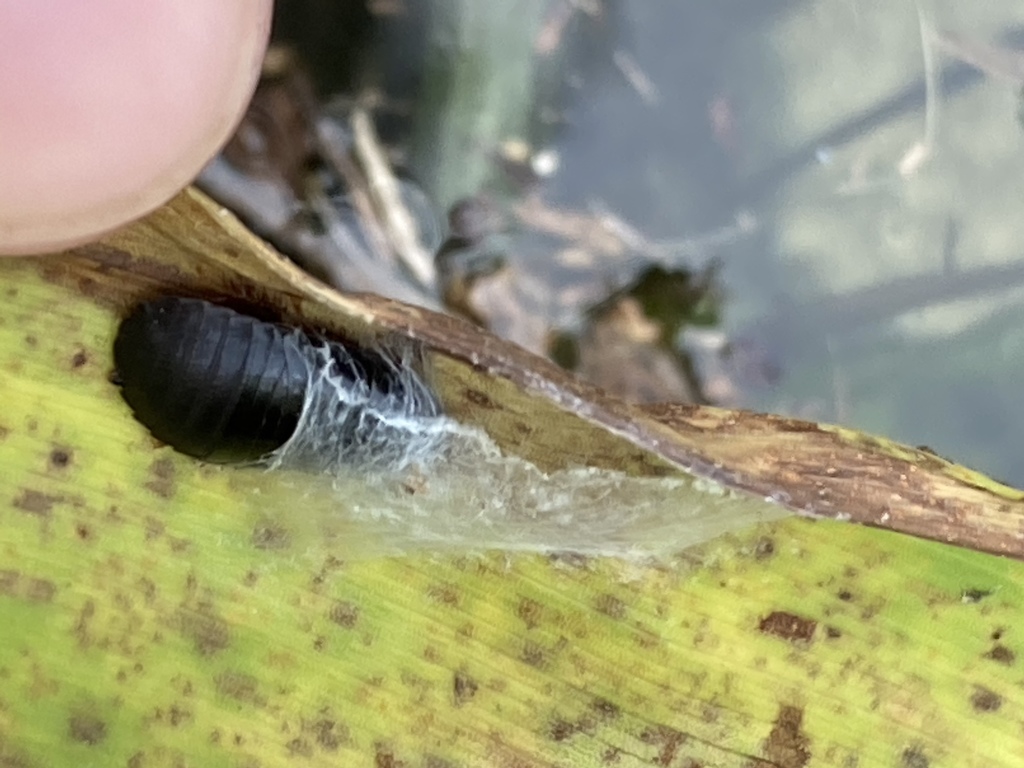
Surinam cockroach
Pycnoscelus surinamensis
≠The key differences
German cockroach is a strong indoor pest, has two dark parallel stripes on the pronotum and adults have fully developed wings; Surinam cockroaches are larger, darker, lack the stripes and live in soil.
⚖︎Side by side
| German cockroach | Surinam cockroach | |
|---|---|---|
| To humans | Allergen carrier | Non-toxic |
| Size | 12-16 mm body length | 18-25 mm long |
| Colours | Light brown, Dark brown, Pale cream (underside) | Light brown, Medium brown, Dark brown |
| Family | Ectobiidae | Blaberidae |
| Habitat | Human dwellings: kitchens, bathrooms, behind appliances, inside cabinets, wall and floor voids, near plumbing and heat sources | Moist organic material: potting soil, plant containers, nursery benches, mulch, compost heaps, greenhouses and other warm humid microhabitats |
| Range | Worldwide in temperate and tropical regions as a human commensal | Pantropical and subtropical worldwide; introduced with plant nursery trade and found in greenhouses, gardens and warm indoor plantings in temperate regions |
| Active | Primarily nocturnal; most active at night year-round in heated buildings | Year-round in warm, humid environments; most active at night or in shaded moist locations |
| Pest? | Yes | Yes |
🔍How to spot a German cockroach
- Small size (12-16 mm) and light brown colour with two dark parallel stripes on the pronotum
- Nocturnal behaviour; typically seen running, not flying, and hiding in cracks and behind appliances
- Both sexes have wings but poor flight; males are slightly more slender
- Nymphs are wingless and darker when newly hatched, becoming browner with molts
🔍How to spot a Surinam cockroach
- Medium-sized (about 18-25 mm) oval, shiny cockroach with a dark brown to blackish body, lighter brown wings and long antennae
- Nymphs are wingless, shiny and dark, burrowing in soil; winged males are uncommon
- Found in potting soil, plant containers, mulch, compost or greenhouse benches rather than crawling on walls and kitchens
- Often occurs in clusters in moist, shaded soil or under decaying plant material
?Frequently asked questions
What is the difference between a German cockroach and a Surinam cockroach?
German cockroach is a strong indoor pest, has two dark parallel stripes on the pronotum and adults have fully developed wings; Surinam cockroaches are larger, darker, lack the stripes and live in soil.
Is a German cockroach or a Surinam cockroach more dangerous?
German cockroach: Allergen carrier. Surinam cockroach: Non-toxic. German cockroaches do not bite or sting and are not venomous, but they contaminate food and surfaces with bacteria and allergens from droppings and shed skins. Surinam cockroaches do not bite or sting and are not venomous.
Identification from photos is never certain: don't handle insects you can't identify, and get medical advice for bites, stings or allergic reactions.