
Oriental cockroach vs Smoky brown cockroach
These two are easy to mix up. Here's how to tell an Oriental cockroach from a smoky brown cockroach, and whether either one bites or stings.
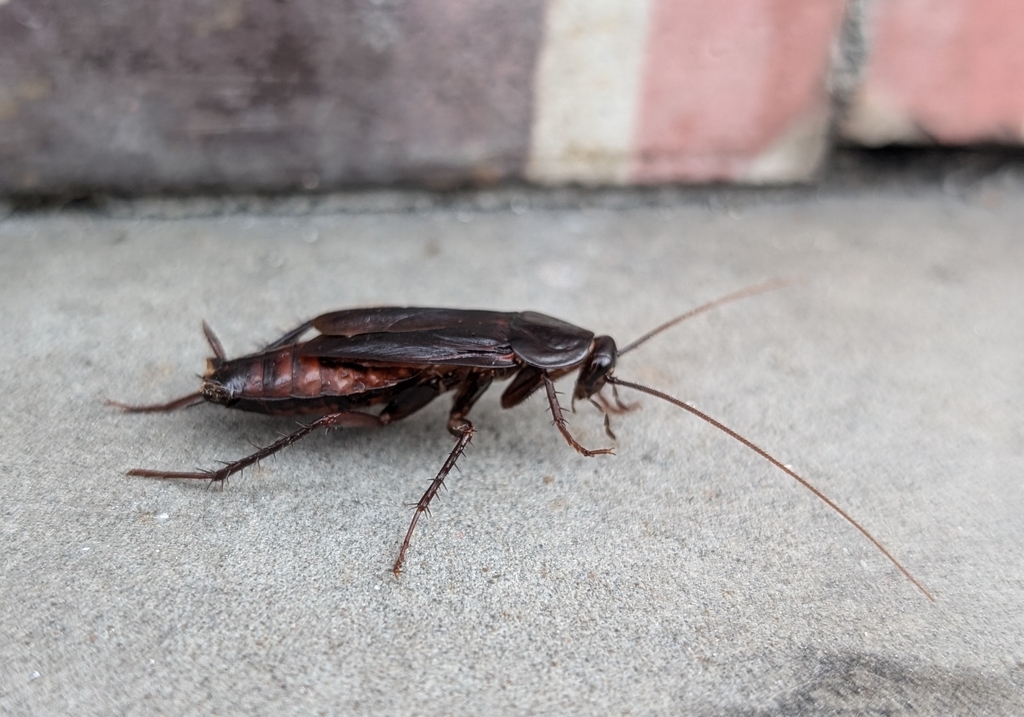
Oriental cockroach
Blatta orientalis
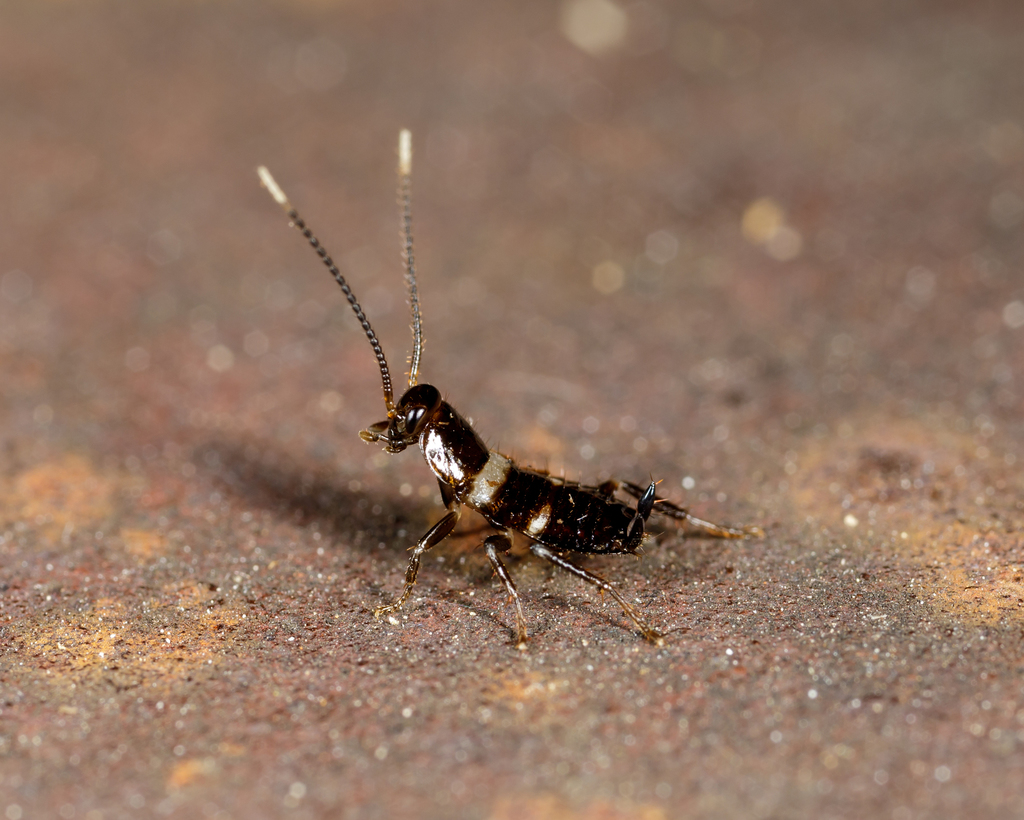
Smoky brown cockroach
Periplaneta fuliginosa
≠The key differences
Shiny black-brown; females have only tiny wing pads and males have wings shorter than the abdomen, so neither can fly. Smoky browns are fully winged and strong fliers.
⚖︎Side by side
| Oriental cockroach | Smoky brown cockroach | |
|---|---|---|
| To humans | Contaminant | Allergen potential |
| Size | Males about 18-25 mm; females about 25-32 mm (body length) | About 30-40 mm body length |
| Colours | Dark brown, Black, Reddish brown (young nymphs) | Dark brown, Chestnut brown, Tan (nymphs) |
| Family | Blattidae | Blattidae |
| Habitat | Cool, damp and shaded areas around human buildings: basements, crawlspaces, drains, sewers, leaf litter and compost piles. | Prefers moist outdoor habitats: tree cavities, leaf litter, mulch, compost, storm drains; enters buildings seeking moisture and shelter |
| Range | Originally from the Middle East or Mediterranean region; now widespread worldwide in temperate to subtropical regions and commonly established in cities globally. | Native to East Asia; now established in warm temperate and subtropical regions worldwide, including the southeastern United States, Hawaii, parts of Australia and other warm regions |
| Active | Mostly nocturnal; active year-round in warm buildings, outdoors in temperate climates mainly spring to autumn. | Nocturnal; active year-round in warm climates and in heated buildings; peak activity at night |
| Pest? | Yes | Yes |
🔍How to spot an Oriental cockroach
- Uniform dark brown to black, glossy, oval body about 18-32 mm long.
- Relatively slow-moving and poor climber; often found at ground level or in drains.
- Males smaller with short wings covering most of abdomen; females larger and broader with only tiny wing pads and no flight.
- Found in cool, damp locations such as basements, crawlspaces, leaf litter, compost and sewers.
🔍How to spot a smoky brown cockroach
- Uniformly dark brown to nearly black adult with fully developed wings that extend beyond the abdomen
- Body length about 30-40 mm, flattened oval shape typical of Periplaneta cockroaches
- Attracted to light at night and commonly found around tree cavities, mulch and other moist outdoor sites
- Males are more slender and better fliers than females; nymphs are wingless and lighter in color
?Frequently asked questions
What is the difference between an Oriental cockroach and a smoky brown cockroach?
Shiny black-brown; females have only tiny wing pads and males have wings shorter than the abdomen, so neither can fly. Smoky browns are fully winged and strong fliers.
Is an Oriental cockroach or a smoky brown cockroach more dangerous?
Oriental cockroach: Contaminant. Smoky brown cockroach: Allergen potential. Oriental cockroaches do not bite or sting and are not venomous. Smoky brown cockroaches do not bite or sting as a defensive behavior and are not venomous, but they contaminate food and surfaces with bacteria and allergens; exposure can worsen asthma and allergic reactions.
Identification from photos is never certain: don't handle insects you can't identify, and get medical advice for bites, stings or allergic reactions.