
Smoky brown cockroach
Periplaneta fuliginosa · Cockroaches
A large, uniformly dark-brown outdoor-associated cockroach that commonly invades homes for moisture and shelter, attracted to lights at night.
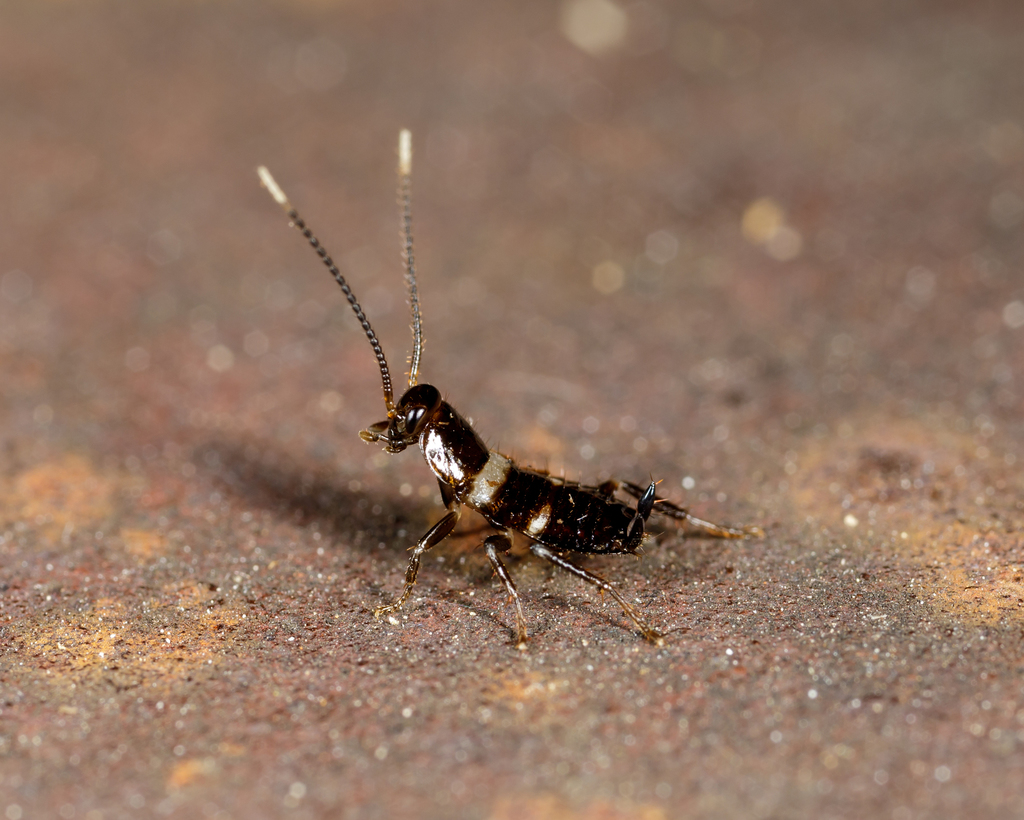
!Is the smoky brown cockroach dangerous?
Only mildly. Smoky brown cockroaches do not bite or sting as a defensive behavior and are not venomous, but they contaminate food and surfaces with bacteria and allergens; exposure can worsen asthma and allergic reactions. If handling is necessary, use gloves and clean any exposed food or surfaces. For heavy infestations, consider professional pest control.
Pets
Can carry bacteria and allergens that may affect pets; not poisonous, and direct attacks on pets are extremely rare. Pets that ingest many cockroaches can develop stomach upset.
📖Overview
Periplaneta fuliginosa is a medium-to-large cockroach species often found around lights, tree holes, mulch and other moist outdoor sites; it will enter buildings when conditions are favorable. Adults are strong fliers and most active at night. They are omnivores and scavengers, feeding on decaying plant matter, food debris and other organic material. While not aggressive or venomous, they are nuisance pests that can contaminate food and trigger allergies or asthma in sensitive people.
🔍How to identify a smoky brown cockroach
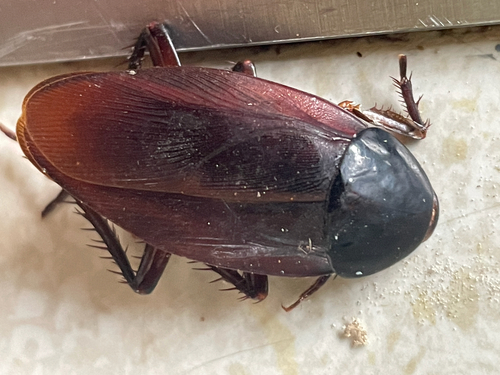
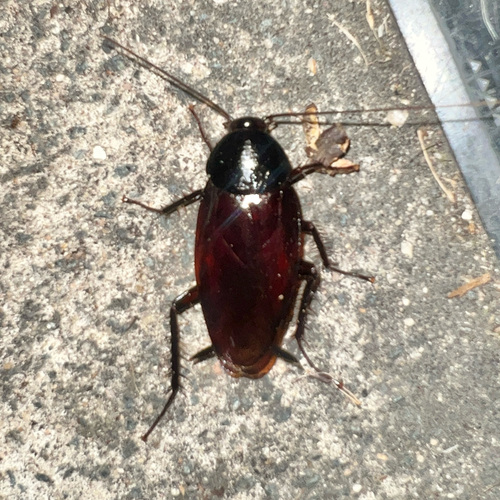
Adults are uniformly dark brown to nearly black, with long, flat, oval bodies and fully developed wings that extend past the abdomen. Males are typically slightly smaller with longer wings and better flight ability; females are broader. Nymphs are wingless and more reddish-brown, becoming darker as they mature. Unlike some other Periplaneta, smoky browns lack pale margins or conspicuous banding on the pronotum or wings.
- Uniformly dark brown to nearly black adult with fully developed wings that extend beyond the abdomen
- Body length about 30-40 mm, flattened oval shape typical of Periplaneta cockroaches
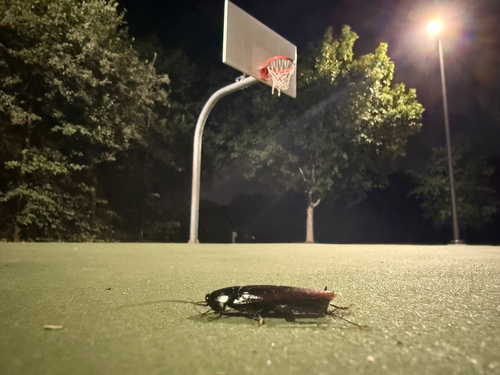
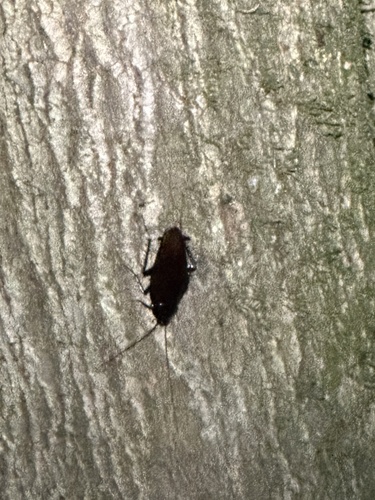
- Attracted to light at night and commonly found around tree cavities, mulch and other moist outdoor sites
- Males are more slender and better fliers than females; nymphs are wingless and lighter in color
Lookalikes
American cockroach Periplaneta americana
Larger and more reddish (reddish-brown) with a pale margin on the pronotum; P. americana is often bigger than smoky brown cockroaches.
Oriental cockroach Blatta orientalis
Shiny black-brown; females have only tiny wing pads and males have wings shorter than the abdomen, so neither can fly. Smoky browns are fully winged and strong fliers.
Brown-banded cockroach Supella longipalpa
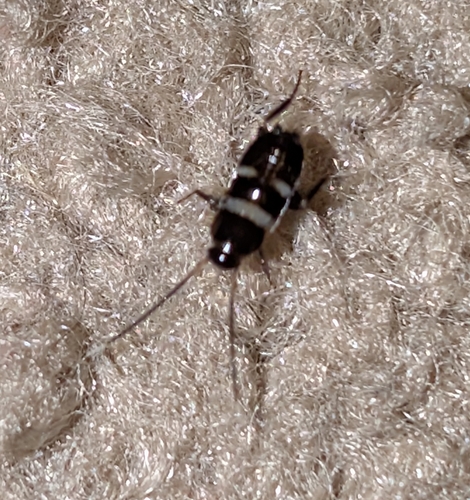
Much smaller and has distinctive light bands across the wings and abdomen; smoky browns are larger and lack banding.
↻Life cycle
Egg (ootheca)
Females produce an egg case (ootheca) containing multiple eggs (typical Periplaneta egg counts are around two dozen); the female may deposit it in sheltered, humid sites.
Nymph
Wingless young that molt repeatedly, gradually darkening and growing larger; nymphal development time depends on temperature and food availability.
Adult
Sexually mature, winged cockroaches capable of flight (especially males); adults reproduce and continue scavenging.
🍃Diet and predators
Young eat
Decaying plant material, organic debris, crumbs and other scavenged foods
Adults eat
Same as juveniles — omnivorous scavengers that eat decaying organic matter, food scraps, paper and glue
Predators of the young
Spiders, centipedes, ants, small vertebrates and predatory insects
Predators of adults
Birds, frogs, toads, small mammals, predatory insects and some spiders; humans use trapping and insecticides
🌱Effect on plants and gardens
Primarily a scavenger on decaying plant material and organic debris; not a significant plant pest
How to get rid of smoky brown cockroaches
Reduce moisture and food sources: fix leaks, remove mulch or wood-touching foundations, store food in sealed containers, clean up pet food and crumbs. Seal gaps and entry points with caulk or weatherstripping. Outdoors, reduce outdoor lighting that attracts them or use yellow 'bug' lights. Use baits (gel or bait stations) and insecticidal baits targeted at cockroaches; residual sprays or insect growth regulators can help in severe infestations — consider a licensed pest professional for large or persistent problems.
📍Where and when to find it
Look outdoors at night around porch lights, exterior walls, tree trunks, mulch, compost piles and drains; indoors check basements, crawlspaces, attics and areas with high humidity.
Best time
Warm months and nights; nocturnal — best observed after dark near lights or moist shelter.
Observation tips
Use a flashlight to observe at night; they are attracted to white or bright lights. Photograph dorsal view to capture the uniform dark coloration and wing length for identification.
✨Fun facts
- Smoky brown cockroaches are strongly attracted to lights and are often seen flying toward porch and security lights at night.
- Unlike many other common household cockroaches, smoky browns are frequently found outdoors and can live year-round outside in warm climates.
- Adults are capable of sustained flight, especially in warm, humid conditions.
?Frequently asked questions
Do smoky brown cockroaches bite?
Bites are rare. They are not aggressive toward humans and usually avoid contact; any bite would be incidental and not venomous.
Are smoky brown cockroaches dangerous?
They are not venomous but can contaminate food and surfaces with bacteria and trigger allergies and asthma in sensitive people.
Why do I have smoky brown cockroaches in my house?
They enter seeking moisture, shelter and food. Outdoor populations close to foundations, damp mulch, clogged gutters or tree cavities often lead to occasional indoor invasions.
How do I get rid of smoky brown cockroaches?
Start with sanitation and moisture control, seal entry points, reduce outdoor lighting near doors, and use cockroach baits or bait stations. For heavy infestations, use professional pest control.
Where do smoky brown cockroaches live?
They prefer warm, humid environments: tree cavities, leaf litter, compost, mulch, drains and other moist outdoor shelters, as well as basements and crawlspaces in buildings.
📷Photos of the smoky brown cockroach
More cockroaches & termites
Allergen carrier
Allergen carrier
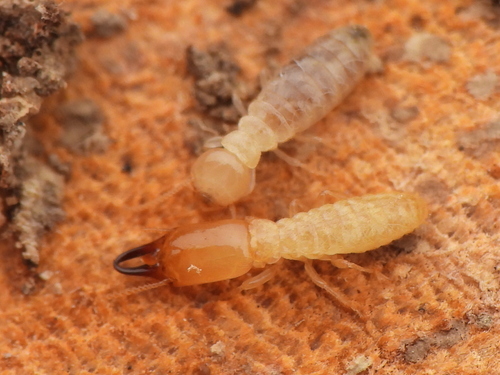
Harmless to people
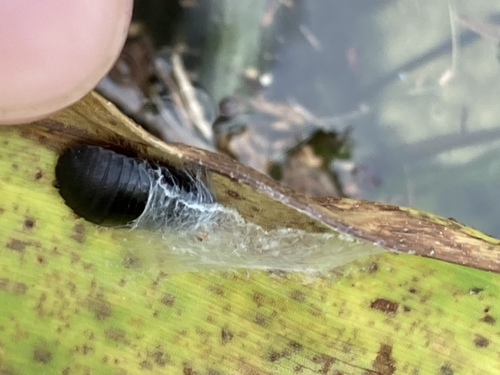
Non-toxic
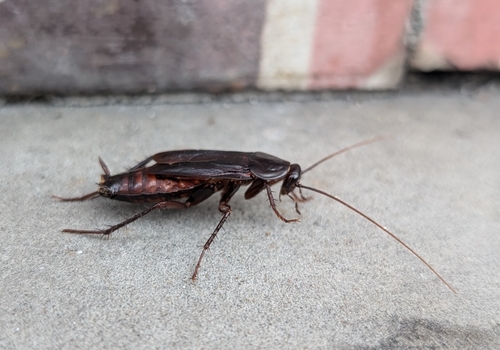
Contaminant
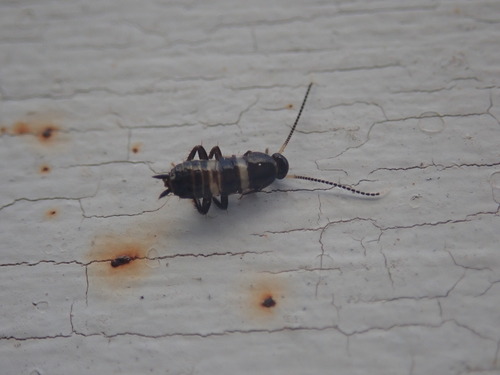
Allergen carrier
This guide was written with AI assistance and fact-checked, last updated 2026-10-10. Identification from photos is never certain: don't handle insects you can't identify, and get medical advice for bites, stings or allergic reactions. More about the smoky brown cockroach: iNaturalist.