
Turkestan cockroach
Shelfordella lateralis · Cockroaches
A small, fast-moving outdoor-adapted cockroach from arid regions that commonly lives around buildings and can invade homes or be used as reptile food.
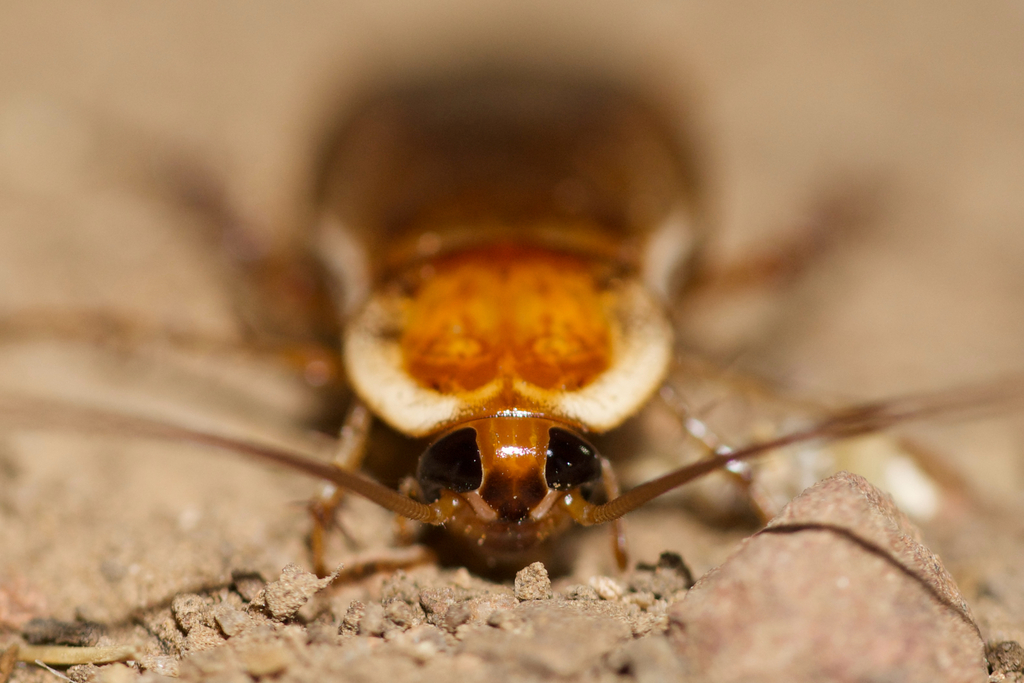
!Is the Turkestan cockroach dangerous?
No. Turkestan cockroaches do not bite or produce venom. They can contaminate food and surfaces and are a potential source of allergens (feces, shed skins). If found indoors in large numbers, take steps to clean and control them. For contamination, remove exposed food, clean surfaces with detergent, and consider pest control if infestation persists.
Pets
They are not poisonous, and many pet owners use captive-bred Turkestan cockroaches as live feeder insects for reptiles and amphibians. Wild-caught individuals could carry pathogens or pesticides; use captive-bred specimens for feeding when possible.
📖Overview
Shelfordella lateralis (Turkestan cockroach) is a relatively small, xeric-adapted cockroach native to central Asia and the Middle East that has spread to many warm regions worldwide. Outdoors it is commonly found in water meter and irrigation boxes, cracks in concrete, hollow block walls, mulch, leaf litter and other sheltered spots around buildings. It often lives outdoors but will enter structures, especially in warm climates. The species is omnivorous and a scavenger; it is also widely reared as feeder insects for reptiles and amphibians.
Turkestan cockroaches are not aggressive or venomous. They can contaminate food and surfaces and may contribute to indoor allergens in infested buildings. Populations can be reduced with sanitation, exclusion (sealing entry points), and targeted baits or professional pest control when necessary.
🔍How to identify a Turkestan cockroach
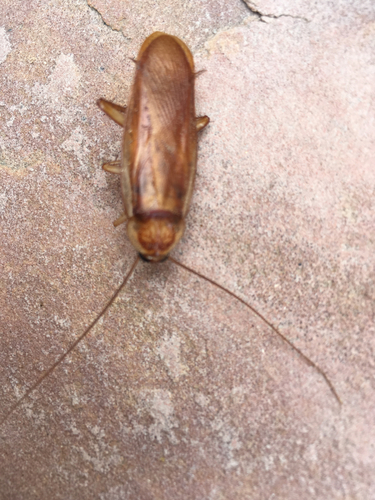
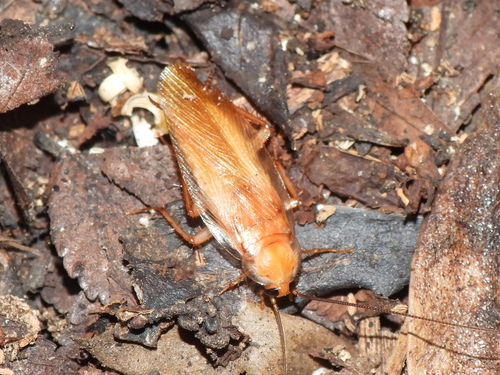
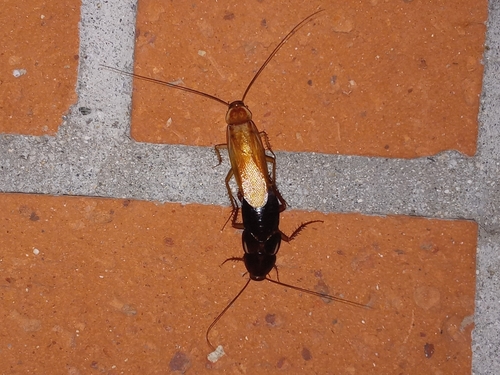
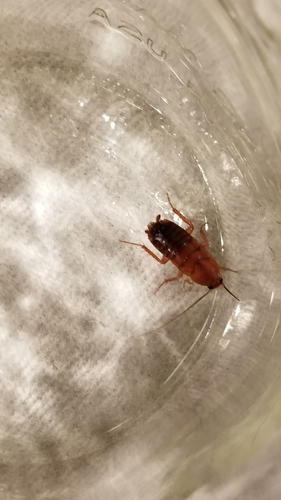
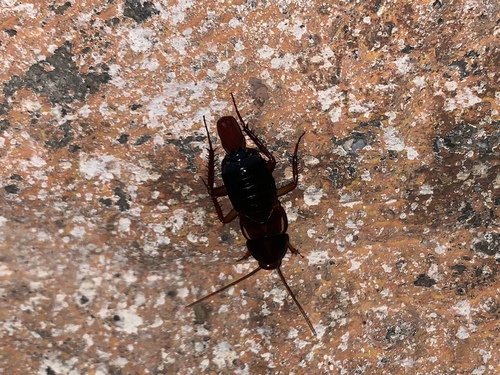
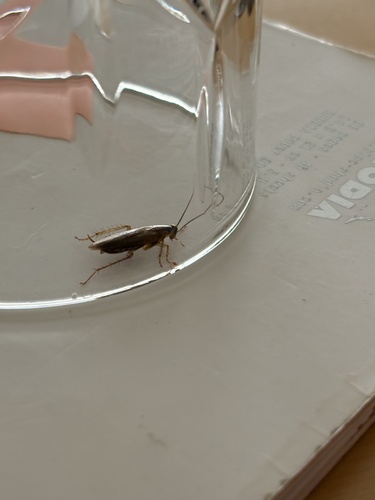
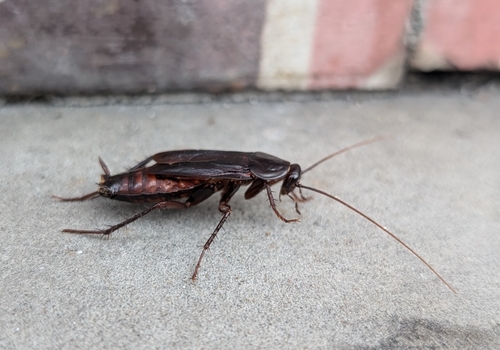
Adults are roughly 18-25 mm long. Sexual dimorphism is clear: males are slender and tan to yellowish-brown, with fully developed wings edged in cream that cover the abdomen, and can fly short distances; females are broader and dark brown to nearly black, with short wing pads that leave most of the abdomen exposed and a short cream stripe along the sides of the wing pads, so they cannot fly. Nymphs are reddish-brown to dark brown, gradually developing adult patterning and wings as they molt.
- Size 18-25 mm; smaller than many household roaches like the American cockroach
- Males slender and tan with full, cream-edged wings; females dark brown to black with short wing pads and short cream side stripes
- Strong contrast between pale males and dark females found together
- Fast-moving and commonly found outdoors in mulch, leaf litter and near foundations rather than deep inside homes
Lookalikes
German cockroach Blattella germanica
German cockroaches are slightly smaller, paler with two dark parallel streaks on the pronotum, and are more likely to be established indoors (kitchen, bathrooms).
Oriental cockroach Blatta orientalis
Oriental cockroaches are larger, darker (nearly black), and have a more sluggish, outdoor/indoor basement preference; Turkestan is lighter and quicker.
↻Life cycle
Egg case (ootheca)
Females produce egg cases that contain multiple eggs; development time depends on temperature and humidity.
Nymph
Nymphs hatch from eggs and undergo a series of molts (many instars), looking like small, wingless adults; nymphs are darker and more robust.
Adult
Adults reach sexual maturity after several molts; males are winged and more slender, females are broader with reduced wings.
🍃Diet and predators
Young eat
Omnivorous scavengers: decaying plant material, crumbs, organic debris and other detritus
Adults eat
Omnivorous scavengers: food waste, pet food, plant detritus, and other organic matter
Predators of the young
Birds, ants, spiders, centipedes, small reptiles and predatory insects
Predators of adults
Birds, rodents, lizards, larger spiders and predatory insects
🌱Effect on plants and gardens
Turkestan cockroaches are generalist scavengers and do not typically feed on live plants or cause garden damage; they mostly consume decaying organic matter, food scraps and detritus.
How to get rid of Turkestan cockroaches
Reduce attractive habitat: remove excess mulch, leaf litter and yard debris close to buildings; store firewood and compost away from foundations; seal cracks and gaps around doors, windows and pipes. Indoors use bait stations labeled for cockroaches and targeted insecticidal baits around known activity areas. For larger infestations, consult a licensed pest control professional. Avoid broad-use sprays that only provide short-term knockdown and may drive roaches into walls.
📍Where and when to find it
Outdoors: under mulch, leaf litter, landscaping timbers, rocks, pavement cracks and near foundations; nymphs and adults may be found in the same microhabitats. Indoors: along baseboards, garages, storage areas or where food and moisture are available.
Best time
Warm months and nighttime; roaches are mostly nocturnal. In warm climates they can be active year-round.
Observation tips
Look in water meter boxes, mulch and near lights at night. Use a flashlight at night to spot active males on walls and pavement. To photograph, use a low angle and a fast shutter speed because they move quickly.
✨Fun facts
- Turkestan cockroaches are popular in the pet trade as feeder roaches because they breed quickly and are active.
- Males are capable of short flights or gliding, while females are essentially flightless due to shortened wings.
- In the southwestern United States they have largely displaced the Oriental cockroach in many outdoor sites.
?Frequently asked questions
Do Turkestan cockroaches bite?
No, they are not known to bite people. They are scavengers and generally avoid humans.
Are Turkestan cockroaches dangerous?
They are not venomous, but like other cockroaches they can contaminate food and contribute to indoor allergens. Large infestations can be a health nuisance.
Why are Turkestan cockroaches in my house?
They are commonly found outdoors near foundations, mulch and debris and will wander indoors seeking food, moisture or shelter—especially in warm climates or during hot weather.
How do I get rid of Turkestan cockroaches?
Remove outdoor habitat (mulch, leaf litter) near buildings, seal entry points, use labeled cockroach baits indoors and outdoors, and consider a professional pest control service for large infestations.
Can Turkestan cockroaches fly?
Adult males have fully developed wings and can fly or glide short distances; females have short wings and cannot fly.
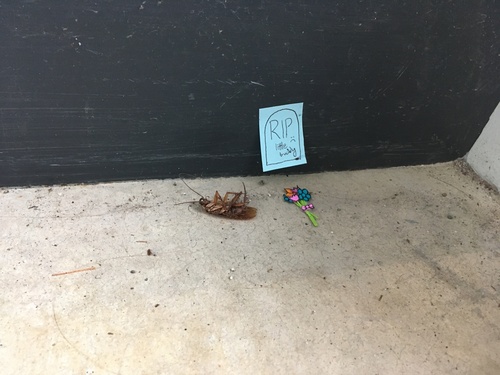
📷Photos of the Turkestan cockroach
More cockroaches & termites
Allergen carrier
Allergen carrier
Harmless to people
Non-toxic
Contaminant
Allergen potential
This guide was written with AI assistance and fact-checked, last updated 2026-10-10. Identification from photos is never certain: don't handle insects you can't identify, and get medical advice for bites, stings or allergic reactions. More about the Turkestan cockroach: iNaturalist, Wikipedia.