
Australian cockroach
Periplaneta australasiae · True cockroaches
A large, tropical cockroach species often found around homes and gardens; a common synanthrope but not medically dangerous.
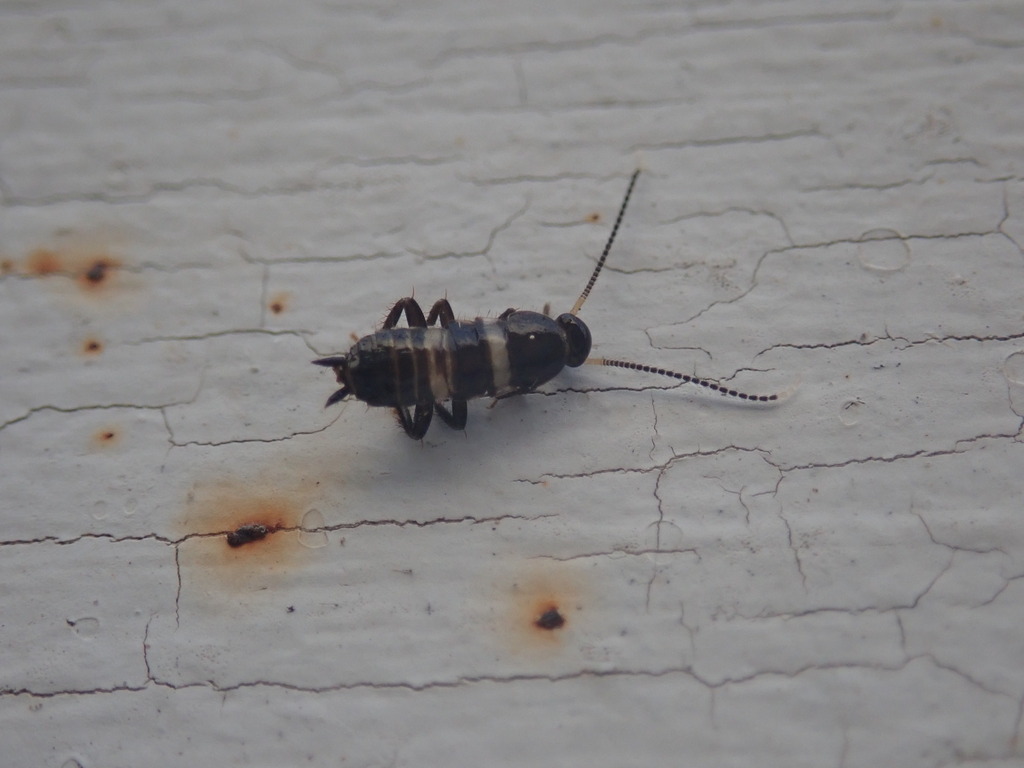
!Is the Australian cockroach dangerous?
Only mildly. Australian cockroaches are not venomous and do not pose a direct toxic threat, but they can contaminate food and surfaces with bacteria and allergens. Their shed skins, droppings and bodies can trigger allergic reactions or asthma in sensitive people. If a cockroach bites, it is rare and usually causes only minor irritation; seek medical care if a bite becomes infected.
Pets
Generally not toxic to pets, but ingestion of many cockroaches can upset a pet's stomach. Cockroaches can carry parasites or bacteria that could, in rare cases, affect pets. Avoid letting pets eat them.
📖Overview
Periplaneta australasiae is a large, tropical cockroach species originally associated with warm, humid climates. It commonly lives near human habitations, feeding on decaying plant matter, food scraps and other organic material. In many regions it is a widespread household and greenhouse pest and can be transported in shipments of plants or produce. It is not considered dangerous to humans, though it can contaminate food and surfaces and trigger allergies in sensitive people.
Behaviourally, Australian cockroaches are nocturnal, fast-running and can fly short distances when warmed. They prefer moist, sheltered microhabitats such as mulch, leaf litter, greenhouses, compost, under bark, and in buildings where humidity is elevated. Reproduction is by egg cases (oothecae) deposited in protected locations; populations persist best where warmth and moisture are available year-round.
🔍How to identify an Australian cockroach
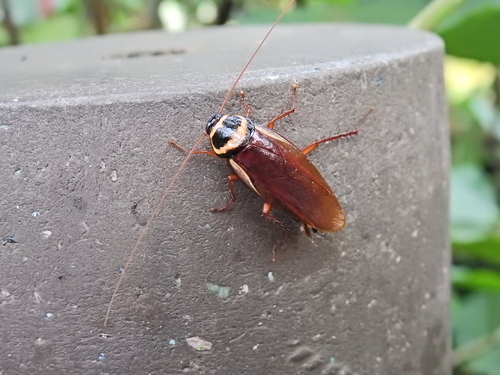
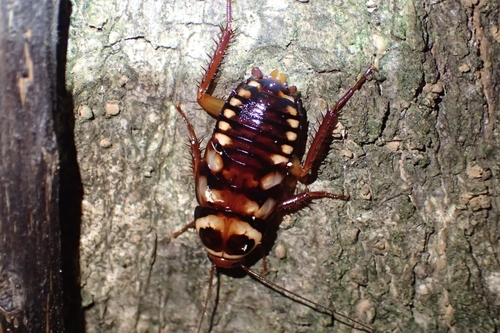
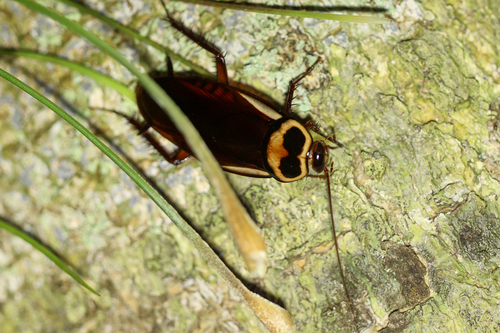
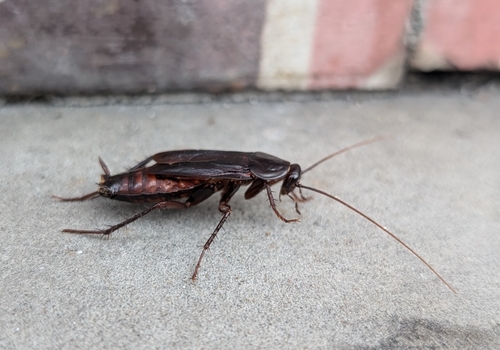
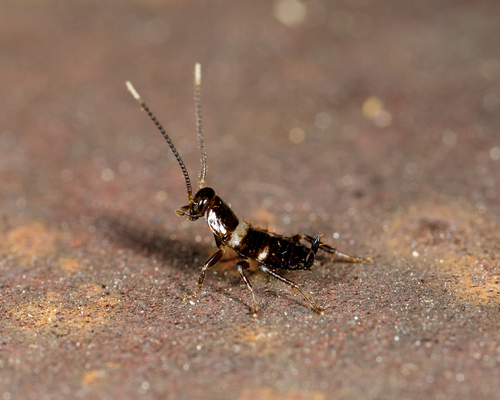
Adults are relatively large (about 25-35 mm body length) and reddish-brown to dark brown. The pronotum (shield behind the head) has a pale yellow ring or margin around a darker center, and each forewing has a distinct pale yellow streak along its outer edge near the base. Antennae are long and filiform; legs are spiny. Nymphs are wingless and darker, often with small pale spots, becoming winged through successive molts.
- Reddish-brown body about 25-35 mm long with a pale yellow ring or margin on the pronotum.
- Distinct pale yellow streak along the outer edge of each forewing near the base.
- Long antennae and spiny legs; nymphs are wingless and uniformly darker.
Lookalikes
American cockroach Periplaneta americana
American cockroach is generally larger and lacks the clear pale band near the wing base; its pronotum marking differs in shape and color.
Smokybrown cockroach Periplaneta fuliginosa
Smokybrown cockroach is more uniformly dark brown to blackish and usually lacks the pale pronotal and wing-base bands seen in Australian cockroach.
↻Life cycle
Egg (ootheca)
Females produce an egg case (ootheca) containing multiple eggs and deposit it in a protected, humid location.
Nymph
Wingless nymphs hatch and go through several molts. Nymphs resemble small, darker adults and gradually develop wing pads.
Adult
Adults are winged and capable of short flights; they reproduce and continue the cycle. Development time depends on temperature and humidity.
🍃Diet and predators
Young eat
Detritus, decaying plant matter, starches and other available organic material.
Adults eat
Omnivorous scavenger: decaying plant matter, food scraps, paper, glue, and other organic detritus.
Predators of the young
Spiders, centipedes, ants, predatory beetles and insectivorous small vertebrates.
Predators of adults
Larger spiders, centipedes, rodents, birds, lizards and predatory insects; parasitoids and pathogens can also reduce populations.
🌱Effect on plants and gardens
Adults and nymphs feed on decaying plant material and organic debris rather than healthy living plants; they play a role in decomposition. Not typically a direct crop pest, though they may scavenge stored produce.
How to get rid of Australian cockroaches
Reduce moisture and food sources: fix leaks, store food in sealed containers and remove garbage promptly. Move mulch, leaf litter and stacked materials away from foundations, and seal gaps around doors, pipes and vents. Use glue traps to monitor and cockroach bait gels or bait stations as the main treatment; avoid spraying repellent insecticides over baits. For greenhouses or large infestations, consult a licensed pest control professional.
📍Where and when to find it
Look at night under mulch, in compost, under bark and in dark corners of buildings, kitchens and basements. Nymphs are found in similar sheltered sites but inside they may be hidden in cracks and appliances.
Best time
Warm months and night time are best for observing activity; in tropical areas they may be active year-round.
Observation tips
Use a flashlight at night and check mulch, potted plants and leaf litter. Photograph the pronotum and wing base to capture the characteristic pale bands.
✨Fun facts
- Despite its common name, Periplaneta australasiae is widespread across many tropical and subtropical regions and is not restricted to Australia.
- They are good survivors in warm, humid microhabitats and are often transported accidentally in potted plants and landscaping materials.
- Australian cockroaches can fly short distances when warmed but usually run rather than fly.
?Frequently asked questions
Are Australian cockroaches dangerous?
Only mildly. They are not venomous, but they can contaminate food and surfaces with bacteria and trigger allergies or asthma in sensitive people.
Do Australian cockroaches bite?
Bites are rare. If a bite occurs it usually causes minor irritation; seek medical attention if signs of infection develop.
Why do I have them in my house?
They are attracted to warmth, moisture and food sources. Mulch, potted plants, compost, plumbing leaks, and clutter provide shelter and are common entry points.
How do I get rid of Australian cockroaches?
Reduce moisture and food sources, seal entry points, remove mulch or plant matter near foundations, and use baits or insecticidal baits labeled for cockroaches. For large infestations, consult a pest control professional. Maintain good sanitation to prevent reinfestation.
Where does the Australian cockroach live?
In warm, humid climates it lives outdoors in leaf litter, mulch and under bark; it also lives indoors in kitchens, basements, greenhouses and other humid sheltered spaces.
📷Photos of the Australian cockroach


More cockroaches & termites
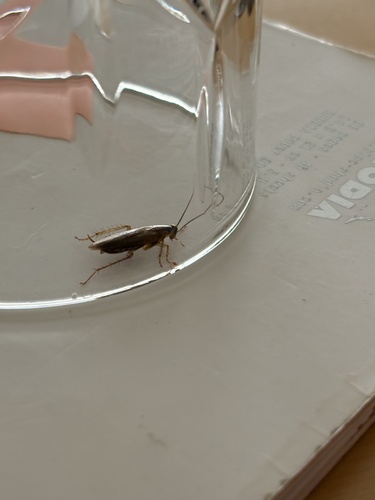
Allergen carrier
Allergen carrier
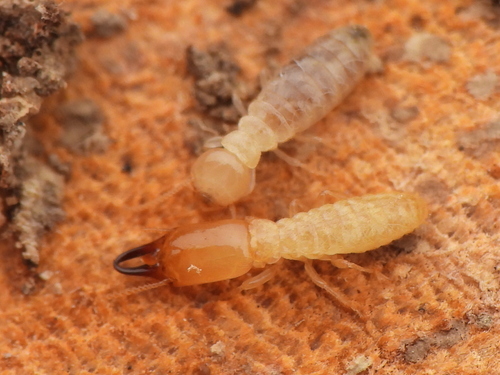
Harmless to people
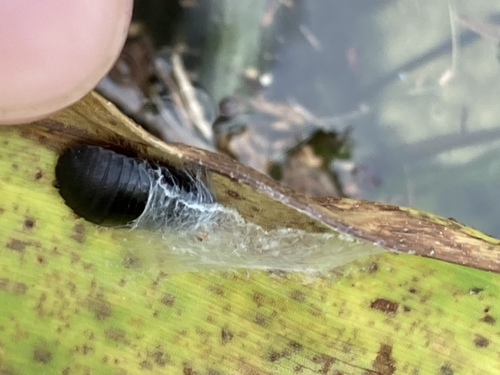
Non-toxic
Contaminant
Allergen potential
This guide was written with AI assistance and fact-checked, last updated 2026-10-10. Identification from photos is never certain: don't handle insects you can't identify, and get medical advice for bites, stings or allergic reactions. More about the Australian cockroach: iNaturalist, Wikipedia.