
Speckled wood
Pararge aegeria · Browns and satyrs
A woodland butterfly with brown wings spotted by pale yellow patches; males defend sunlit 'speckles' on the forest floor.
!Is the speckled wood dangerous?
No. Harmless to people; does not sting or bite. No medical treatment required if handled, but wash hands if you touch caterpillars in case of mild skin irritation from debris.
Pets
Harmless to pets. Not toxic if briefly inspected or eaten, though consumption of many insects can cause brief stomach upset.
📖Overview
Pararge aegeria, the speckled wood, is a common woodland butterfly found across much of Europe, parts of North Africa and western Asia. It favours dappled, shady habitats such as woodland edges, hedgerows and garden tree-lines where males perch and defend sunlit spots. The species is adaptable and often seen in parks and suburban gardens.
Speckled wood has several broods in a year in warm areas and usually one or two in cooler climates. Adults feed on nectar and honeydew; larvae feed on a variety of grasses. The species is not considered threatened and is familiar to many people in its range.
🔍How to identify a speckled wood
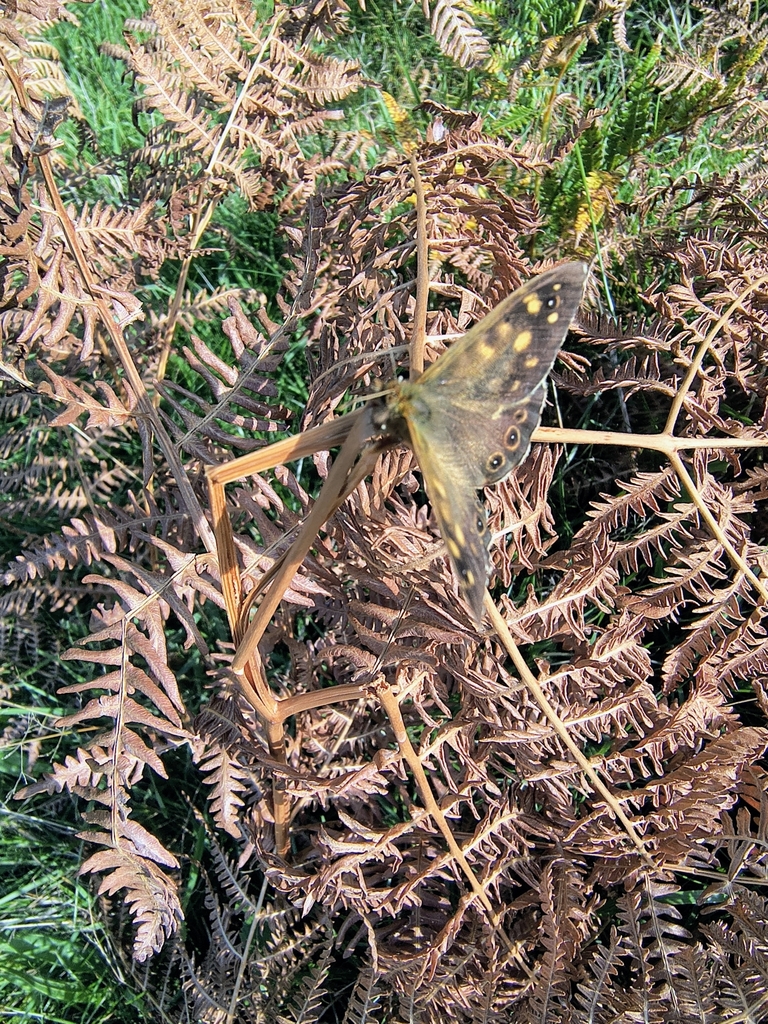
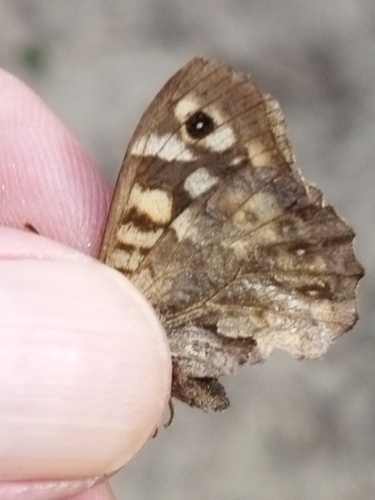
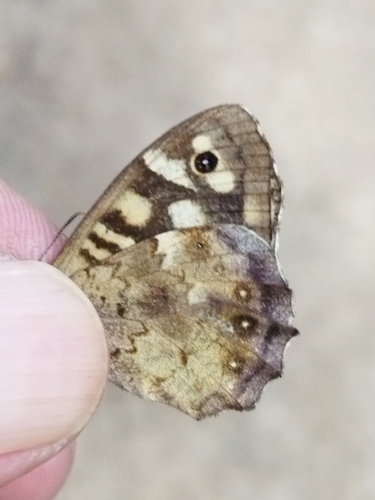
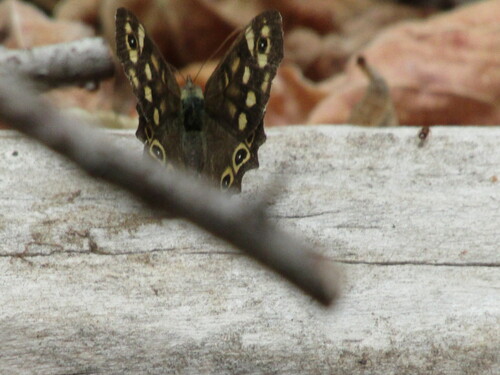
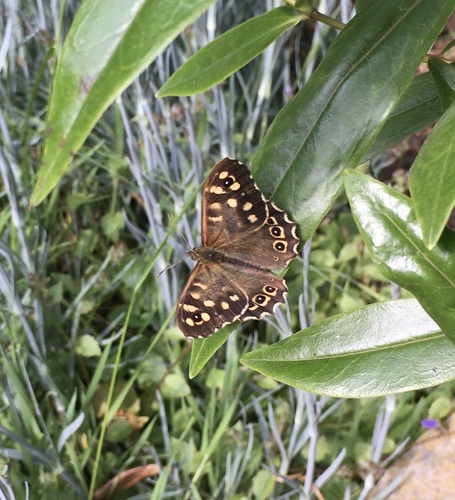
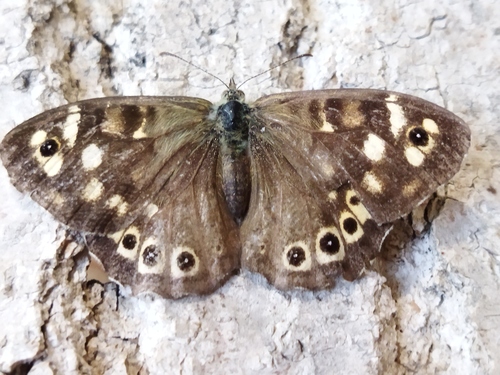
Adult wings are dark brown to chestnut with a series of pale yellow to cream patches and small eyespots: one near the forewing tip and a row of three or four on the hindwing. The underside is similar but slightly paler and helps the butterfly blend with leaf litter. Wingspan typically 40-50 mm. Males often show more contrasting markings and spend time perching in sunflecks; females are slightly rounder-bodied.
- Brown wings with several pale yellow-cream spots forming a speckled pattern; one small eyespot near the forewing tip and a row of small eyespots on the hindwing.
- Wingspan about 40-50 mm; underside similarly patterned but paler, aiding camouflage on leaf litter.
- Tendency to perch and fly in low, dappled sunlight—look for solitary males defending sunflecks.
Lookalikes
Gatekeeper Pyronia tithonus
Gatekeeper has a single, larger black eyespot with two white pupils on the forewing and more orange background; speckled wood is more uniformly brown with multiple pale patches.
Wall brown Lasiommata megera
Wall brown shows stronger orange bands and larger eyespots; speckled wood lacks broad orange bands and is more mottled with cream speckles.
Meadow brown Maniola jurtina
Larger, with mostly plain brown wings, an orange patch and a single white-pupilled eyespot on the forewing; lacks the cream speckling of the speckled wood.
↻Life cycle
Egg
Females lay single eggs on grass blades or low vegetation. Eggs hatch in about 1-2 weeks depending on temperature.
Larva (caterpillar)
Green-brown caterpillars feed on grasses. They grow through several instars and may overwinter as small larvae in colder climates.
Pupa (chrysalis)
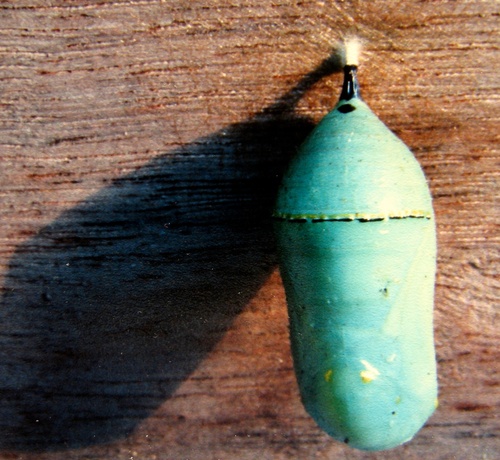
Pupation occurs on low stems or leaf litter; the chrysalis is camouflaged and the pupal stage lasts 1-3 weeks or longer if overwintering.
Adult (butterfly)
Adults emerge and are active in sunflecks, feeding on nectar, tree sap and honeydew. Males defend small patches of sunlight to encounter females.
🍃Diet and predators
Young eat
Grasses such as Poa, Agrostis and Deschampsia
Adults eat
Nectar from flowers, honeydew, tree sap and occasionally overripe fruit
Predators of the young
Birds, predatory insects (wasps, ants), parasitic wasps and flies
Predators of adults
Birds, spiders and predatory insects
🌱Effect on plants and gardens
Larvae feed on various grasses (Poa, Agrostis, Deschampsia and related species); adults feed on nectar and honeydew and do not cause significant crop damage.
📍Where and when to find it
Perch in sunflecks on shaded woodland paths, hedgerows, garden tree-lines; look for caterpillars on grass blades and pupae on low stems or leaf litter.
Best time
Best from spring through early autumn; observe during daylight, especially late morning to mid-afternoon when sunflecks appear.
Observation tips
Walk slowly through shaded woodland and watch sunlit patches on the ground. A long lens or close-focus macro helps capture perching males without disturbing them.
✨Fun facts
- Males are territorial and will repeatedly chase intruders out of sunlit patches on the woodland floor.
- Speckled wood can have several broods a year where the climate is warm, but a single brood in cooler areas.
- Larvae sometimes overwinter as young caterpillars sheltered low in grass tussocks.
?Frequently asked questions
Is the speckled wood butterfly dangerous?
No. It is harmless to people and pets; it does not sting or bite.
Do speckled wood caterpillars damage my lawn?
They feed on grasses but are rarely numerous enough to cause noticeable lawn damage.
Why is a speckled wood in my garden?
They are attracted to gardens with trees, hedges or shaded grassy areas where they find nectar and grass for their caterpillars.
How can I attract speckled woods to my garden?
Provide shady spots, native flowering plants for nectar, and leave some grassy tussocks or unmown edges for caterpillar food and shelter.
When can I see speckled wood butterflies?
From spring to autumn; timing and number of broods depend on local climate—check sunny patches in woodlands and gardens during the day.
📷Photos of the speckled wood
More butterflies & moths
This guide was written with AI assistance and fact-checked, last updated 2026-10-09. Identification from photos is never certain: don't handle insects you can't identify, and get medical advice for bites, stings or allergic reactions.