
Red imported fire ant
Solenopsis invicta · Fire ants
An aggressive, invasive ant species whose workers deliver painful stings and build large soil mounds in open, disturbed habitats.
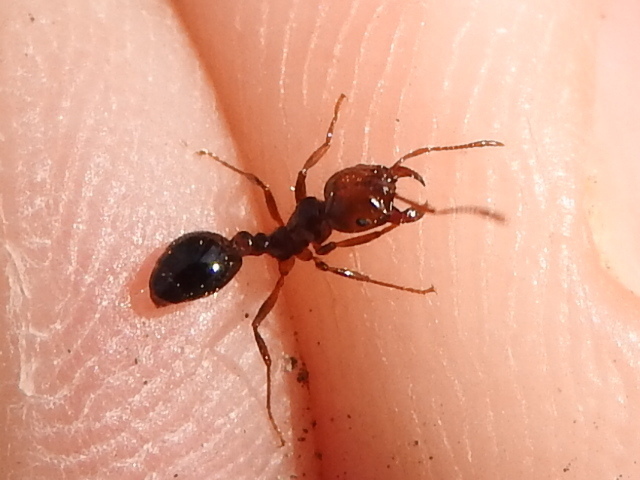
!Is the red imported fire ant dangerous?
Yes, it can be. Workers sting repeatedly, injecting alkaloid venom (solenopsin) that causes immediate burning pain, raised wheals and pustules in many people. Allergic individuals can suffer severe systemic reactions, including anaphylaxis. First aid: remove ants quickly, wash area with soap and water, apply cold compress to reduce swelling, use oral antihistamines and topical steroid creams for itching, and do not pop the pustules (this raises the risk of infection); seek emergency medical care for difficulty breathing, throat swelling, dizziness or widespread hives.
Pets
Pets can be stung repeatedly, causing pain, swelling, drooling or vocalizing; small animals and puppies may be at higher risk for severe reactions. Multiple stings can require veterinary attention. Keep pets away from mounds.
📖Overview
Solenopsis invicta is a small, reddish-brown ant species native to South America that has become a major invasive pest in many parts of the world. Colonies can be large and aggressive; workers defend the nest by swarming and repeatedly stinging perceived threats. They build conspicuous mounds of soil in lawns, fields and along roadsides and alter local ecosystems by displacing native ants and affecting ground-nesting wildlife.
These ants are well known for their painful, venomous stings which can cause allergic reactions in some people. They forage widely for sweet and protein foods, often tending aphids for honeydew and scavenging, which helps them thrive in human-modified landscapes. Control and management are important where they cause medical, agricultural or ecological harm.
🔍How to identify a red imported fire ant
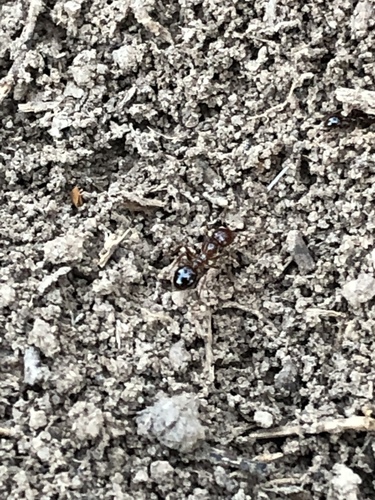
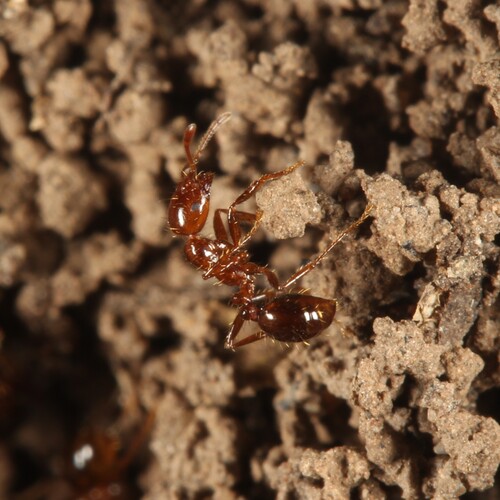
Workers are 2.4-6 mm long and are reddish-brown to dark red; queens are larger (about 7-9 mm) and darker. Workers have a two-segmented waist (petiole and postpetiole) between thorax and abdomen, elbowed antennae with 10 segments ending in a two-segmented club, and a stinger at the tip of the gaster. Nests lack a single obvious entrance hole; instead, workers excavate soil and create dome-shaped mounds without a central tunnel opening.
- Workers reddish-brown to dark red, 2.4-6 mm long; queens larger and darker (about 7-9 mm).
- Two-segmented waist (two nodes) between thorax and abdomen; elbowed antennae with 10 segments ending in a two-segmented club.
- Conspicuous soil mounds without a central entrance hole, often in open, sunny locations.
- Very aggressive: when a mound is disturbed, many workers swarm and sting.
Lookalikes
Southern fire ant Solenopsis xyloni
S. xyloni is generally darker and slightly larger in some castes; ranges overlap in parts of the United States and require microscopic or genetic characters for certain separation.
Tropical fire ant Solenopsis geminata
S. geminata tends to have a darker gaster and a different head and petiole shape; behavioral and local distribution differences also help separate them.
Pavement ant Tetramorium caespitum
Pavement ants are dark brown to blackish, have 12-segmented antennae with a three-segmented club and fine parallel grooves on the head and thorax, and nest under pavement and stones with small piles of soil rather than large dome mounds.
↻Life cycle
Egg
Tiny white eggs laid by the queen; eggs hatch into larvae in a few days under favorable conditions.
Larva
Legless grubs fed and tended by workers; development speed depends on food availability and temperature.
Pupa
Larvae pupate in cocoons inside the nest and transform into adult workers, males or queens.
Adult (worker/queen/ male)
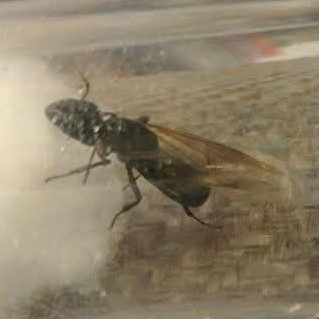
Workers are sterile females that forage and maintain the nest; queens are reproductive and found in the nest, males appear seasonally for mating flights. Colonies may be 'monogyne' (single queen) or 'polygyne' (multiple queens), a factor in spread and control.
🍃Diet and predators
Young eat
Larvae are fed protein-rich foods by workers: insect prey, dead animals, and captured arthropods.
Adults eat
Workers feed on sugars (nectar, honeydew) and proteins; they scavenge and forage broadly.
Predators of the young
Other ants and ant-eating animals that raid nests for brood.
Predators of adults
Phorid flies (Pseudacteon, released as biological control in the US) parasitize workers; ant-eating birds, lizards and mammals also eat them, but invasive populations often lack sufficient natural enemies.
🌱Effect on plants and gardens
Fire ants can feed on seeds and seedlings, harm ground-nesting birds and other wildlife, and their hard mounds can damage farm equipment in crop fields and pastures. They also protect honeydew-producing pests like aphids, which can increase plant damage.
How to get rid of red imported fire ants
Integrated control is recommended. For immediate reduction, insecticidal baits specific for ants (slow-acting protein or carbohydrate baits) are effective for colony-wide control when used according to label directions. For fast mound knockdown, contact insecticide drenches or mound treatments can kill workers and queens locally but may not eliminate nearby satellite colonies. Professional pest control is advised for large infestations. Prevent re-infestation by reducing food sources (secure trash, clean up sweet spills), sealing entry points into buildings, and maintaining dry, less-disturbed soil where practical. Always follow local regulations and label instructions; some areas require licensed applicators for certain treatments.
📍Where and when to find it
Look for mounds in lawns, pastures, parks, road shoulders and other sunny, disturbed ground. Foraging workers are commonly seen on the surface near food sources.
Best time
Warm months (spring to fall) and during daylight hours when workers are actively foraging.
Observation tips
Observe mounds from a safe distance to avoid being stung. Use a telephoto lens or long-handled tools for scale shots; do not disturb nests when photographing.
✨Fun facts
- Queens can live several years and produce thousands of workers, which helps colonies expand quickly.
- Fire ant venom contains alkaloids (solenopsins) that cause the characteristic burning pain and can lead to pustule formation at sting sites.
- Some populations form supercolonies with many queens and interconnected nests, making eradication much harder.
?Frequently asked questions
Do red imported fire ants bite or sting?
They sting, not bite: workers grasp with their mandibles and then curve the gaster to inject venom with the stinger, often stinging repeatedly.
Are red imported fire ants dangerous to humans?
Yes. Their stings are painful and can cause allergic reactions; a small percentage of people are at risk of severe anaphylaxis and should seek immediate medical care if stung and showing systemic symptoms.
Why are these ants in my yard?
They prefer open, sunny, disturbed sites with accessible food. Yards with exposed soil, pet food, fallen fruit, or honeydew-producing insects attract them.
How can I get rid of red imported fire ants?
Use registered ant baits that workers carry back to the colony for colony-wide control, and consider professional pest control for heavy infestations. Follow label directions and local regulations; do not attempt ineffective home remedies that only disperse ants.
Where do red imported fire ants come from?
They are native to South America and were accidentally introduced to other regions via human transport of soil, plants and cargo.
Will killing a mound with contact spray solve the problem?
Contact treatments can kill many workers quickly but often miss queens or satellite nests; slow-acting baits that reach the queen are usually necessary for lasting control.
📷Photos of the red imported fire ant
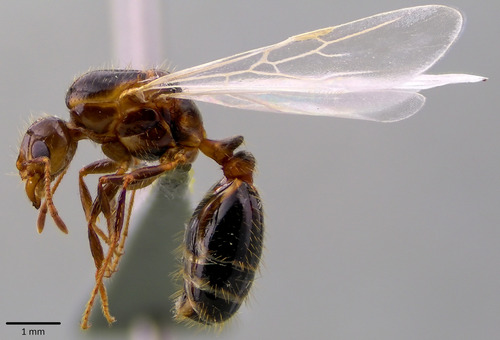
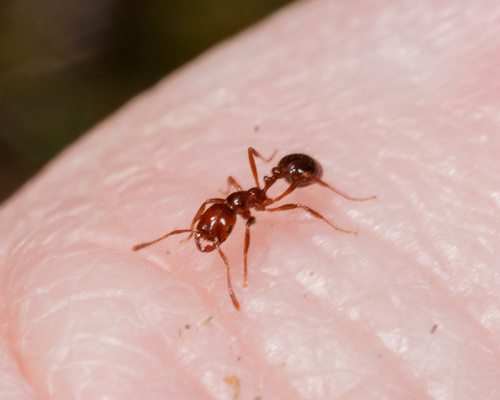
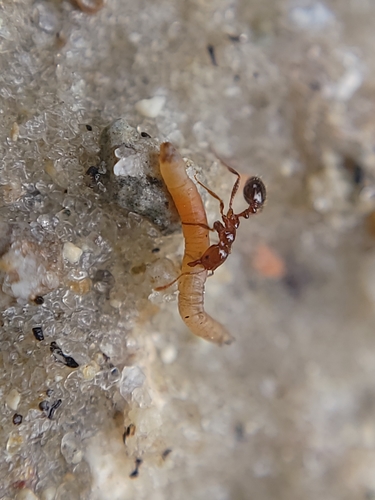
More bees, wasps & ants
Bites and formic acid
Stinging insect
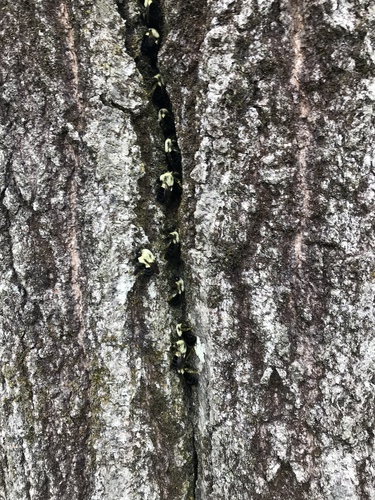
Can sting
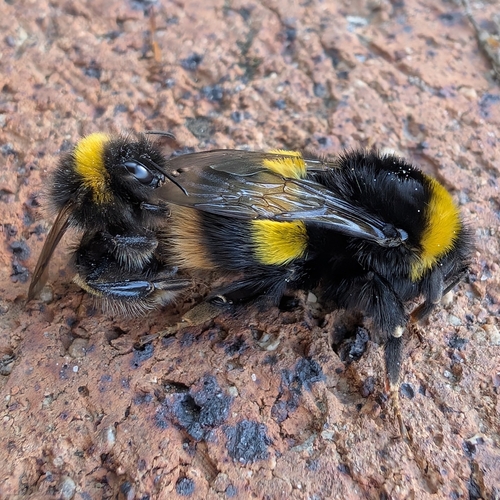
Can sting
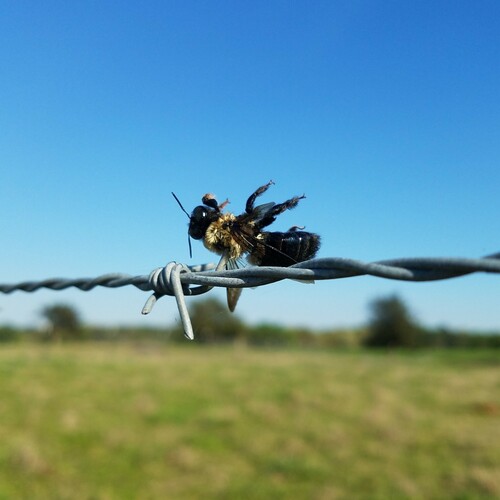
Can sting
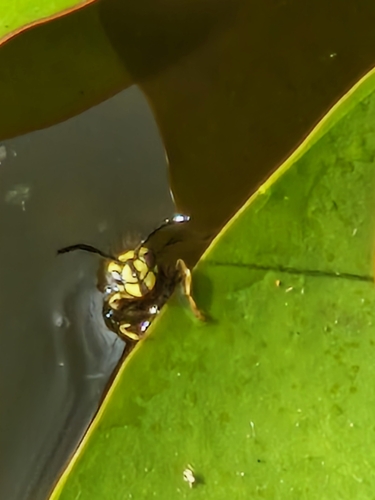
Painful sting
This guide was written with AI assistance and fact-checked, last updated 2026-10-09. Identification from photos is never certain: don't handle insects you can't identify, and get medical advice for bites, stings or allergic reactions.