
House cricket
Acheta domesticus · True crickets
A common, nocturnal cricket often found in warm buildings and gardens; noisy at night and mainly a nuisance rather than dangerous.
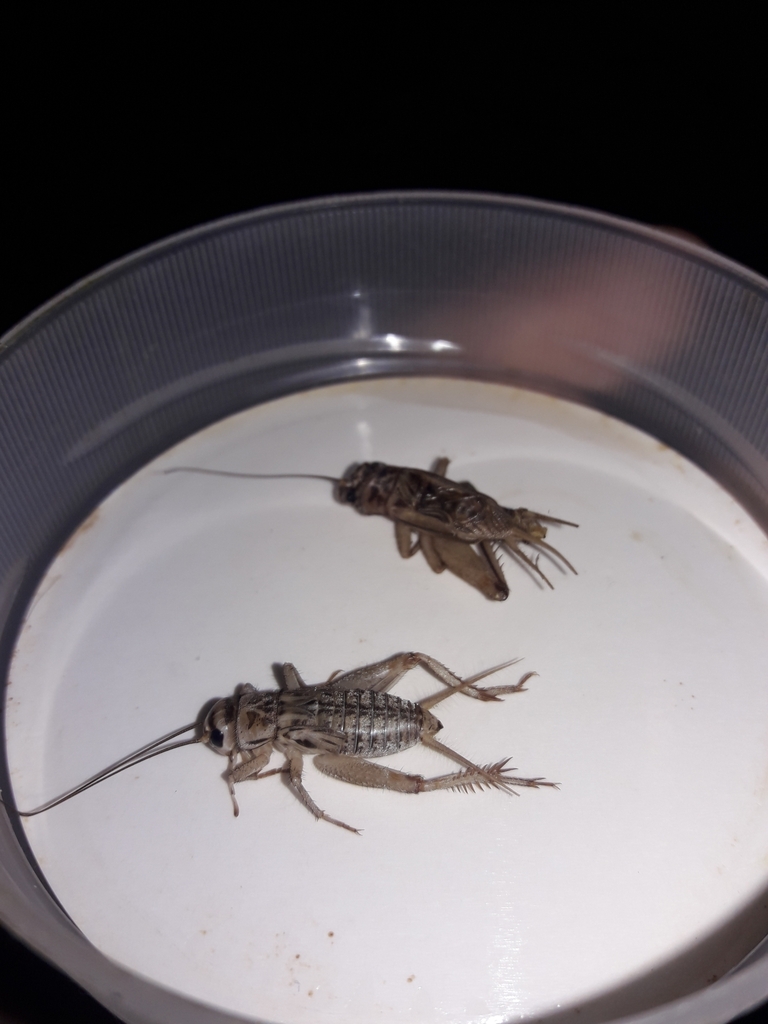
!Is the house cricket dangerous?
No. House crickets do not have venom and rarely bite; a bite would be minor and uncommon. They can be noisy and may contaminate food or trigger allergic reactions in sensitive people through shed skins and feces. First aid for a rare bite: wash with soap and water and apply a cold compress if needed. Seek medical help if a severe allergic reaction occurs.
Pets
Small numbers are safe and often eaten by insectivorous pets. Large infestations in animal enclosures may compete with pet food or contaminate it; dead crickets can attract secondary pests. Some reptiles and amphibians are fed house crickets commercially.
📖Overview
The house cricket is a small, tan to brown cricket that lives in and near human structures worldwide. It is primarily nocturnal and is best known for the male's chirping song produced to attract females. House crickets are omnivorous scavengers that feed on plant material, fabrics, paper, food scraps and small insects. They will enter homes seeking warmth, moisture and food, where they can become a persistent nuisance but are not aggressive or medically dangerous.
🔍How to identify a house cricket
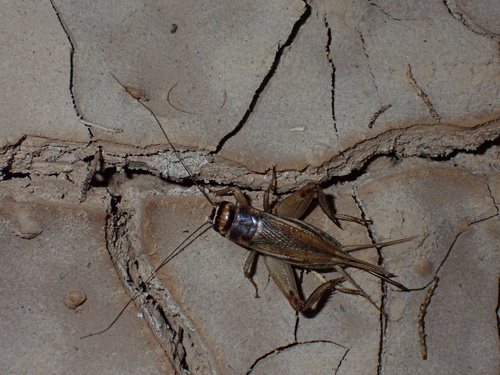
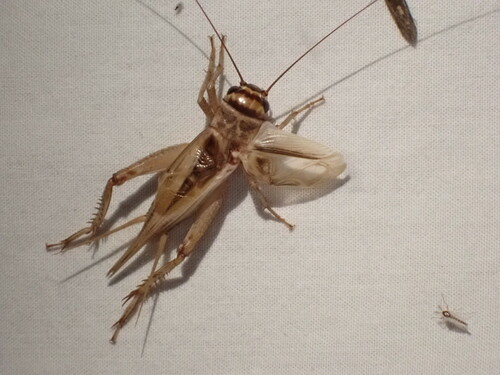
Adults are robust, with a somewhat flattened body, long antennae, and large hind legs adapted for jumping. Males have a pair of sound-producing structures on the forewings; wings usually overlap the abdomen. Color ranges from pale tan to darker brown, often with faint banding on the abdomen. Females have a visible ovipositor (needle-like egg-laying organ) extending beyond the rear of the abdomen.
- Length about 16-21 mm, pale tan to brown body with long filamentous antennae.
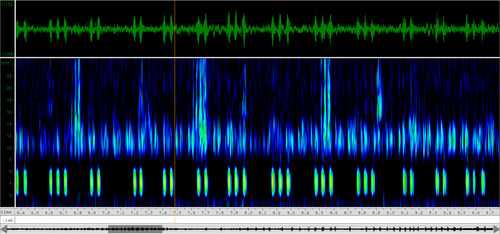
- Males produce a steady chirping song by rubbing forewings together; listen for this at night.
- Females have a visible straight ovipositor extending from the rear; males lack an ovipositor.
- Wings usually overlap the abdomen; hind legs are large for jumping.
Lookalikes
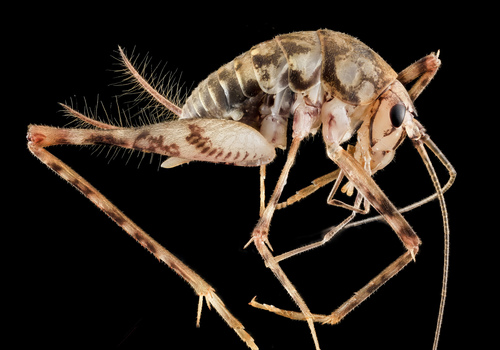
Camel cricket Ceuthophilus spp. and relatives
Camel crickets have a hump-backed appearance, lack long wings (wingless), are darker and do not chirp; they prefer basements and cool, damp places.
Field cricket Gryllus spp.
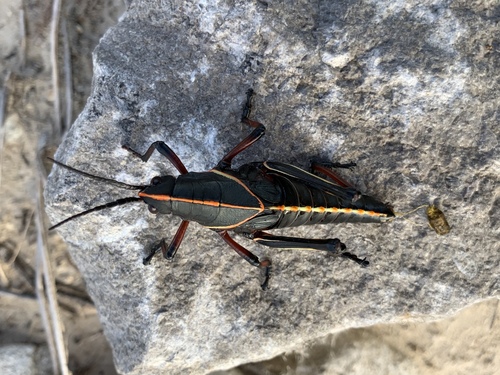
Field crickets are generally darker (black or very dark brown) and larger; their song is deeper and they more often live outdoors in fields and under stones.
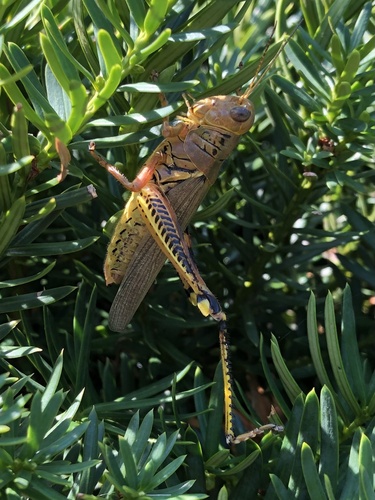
Short-horned grasshoppers Acrididae
Grasshoppers have shorter antennae (not longer than the body), different body shape and do not produce a cricket-like chirp by stridulation of forewings.
↻Life cycle
Egg
Females lay eggs in soil, mulch, crevices or soft materials using the ovipositor; eggs hatch in 2-4 weeks in warm conditions or later if cooler.
Nymph
Nymphs resemble small wingless adults and go through 6-10 molts over several weeks to months as they grow, gradually developing wings.
Adult
Adults are capable of flight in some populations, sing (males) to attract mates, and can reproduce within weeks of reaching maturity.
🍃Diet and predators
Young eat
Omnivorous scavenging: plant material, decaying organic matter, small insects and food scraps.
Adults eat
Omnivorous scavenging: grains, fabrics, paper, fruit, plant material, and any available household food debris.
Predators of the young
Spiders, ants, beetles, small reptiles and birds.
Predators of adults
Birds, small mammals, reptiles, amphibians, spiders and predatory insects; also eaten by captive reptiles and amphibians when offered.
🌱Effect on plants and gardens
House crickets are mostly scavengers; they can nibble seedlings, soft fruits, young leaves and garden plants in large numbers, but are not usually a major agricultural pest.
How to get rid of house crickets
Reduce attractants: seal cracks and gaps, fix window and door screens, reduce moisture, store food in sealed containers, remove piles of debris and excess vegetation. Indoor infestations: use sticky traps or glue boards placed near baseboards and heat sources at night. For heavy infestations, consult a licensed pest control professional. Avoid broad pesticide use near food preparation surfaces; use baited traps or targeted treatments following label directions.
📍Where and when to find it
Look in kitchens, basements, garages, behind appliances, inside cardboard boxes, compost heaps and under stones or leaf litter. Listen for male chirps at night to locate them.
Best time
Warm months outdoors; at night year-round inside heated buildings. Nighttime is best for observing males singing.
Observation tips
Turn off lights and wait quietly to hear and follow chirps. Use a flashlight aimed low near baseboards, behind furniture and under boxes to spot them without startling.
✨Fun facts
- Male house crickets produce their chirp by rubbing specialized veins on their forewings together; the rate of chirps increases with temperature.
- Cricket song has been used to estimate temperature: count chirps in 14 seconds and add 40 to get degrees Fahrenheit (Dolbear's law). The rule was worked out for the snowy tree cricket, so it is only rough for house crickets.
- House crickets are among the most widely farmed insects, reared as feeder insects for reptiles and, in some countries, approved as human food.
?Frequently asked questions
Are house crickets dangerous?
No — they are not venomous and rarely bite. The main concerns are noise, contamination of food, and possible allergy triggers from shed skins and droppings.
Do house crickets bite people?
Bites are very rare and usually minor if they occur. Crickets are not aggressive toward humans.
Why do I hear crickets in my house at night?
Males sing to attract mates; warm, sheltered indoor spaces are attractive for feeding and breeding, so they often chirp at night near heat sources or hidden crevices.
How do I get rid of house crickets?
Seal entry points, reduce moisture, remove debris and food sources, use sticky traps near baseboards and night activity areas, and consider professional pest control for large infestations.
Will house crickets damage my house or clothes?
They can chew paper, fabrics and seedlings if present in large numbers, but they do not structurally damage buildings like wood-boring insects.
Where do house crickets come from?
Originally from Eurasia, house crickets have spread worldwide, often hitchhiking with humans and establishing in heated buildings, greenhouses and compost piles.
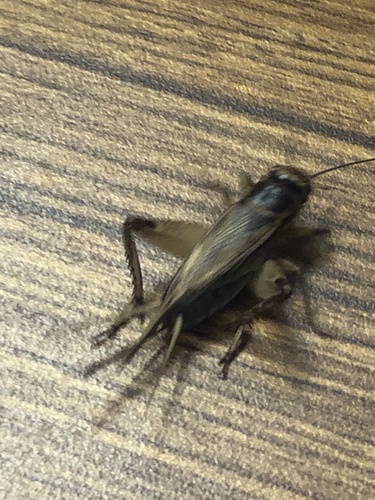
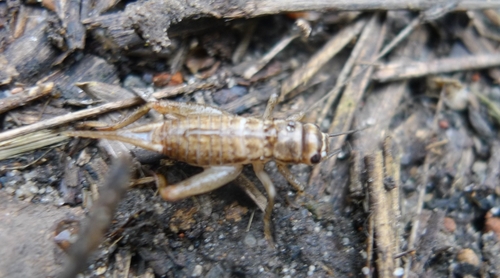
📷Photos of the house cricket
More grasshoppers & crickets
This guide was written with AI assistance and fact-checked, last updated 2026-10-09. Identification from photos is never certain: don't handle insects you can't identify, and get medical advice for bites, stings or allergic reactions.