
House cricket vs Greenhouse camel cricket
These two are easy to mix up. Here's how to tell a house cricket from a greenhouse camel cricket, and whether either one bites or stings.
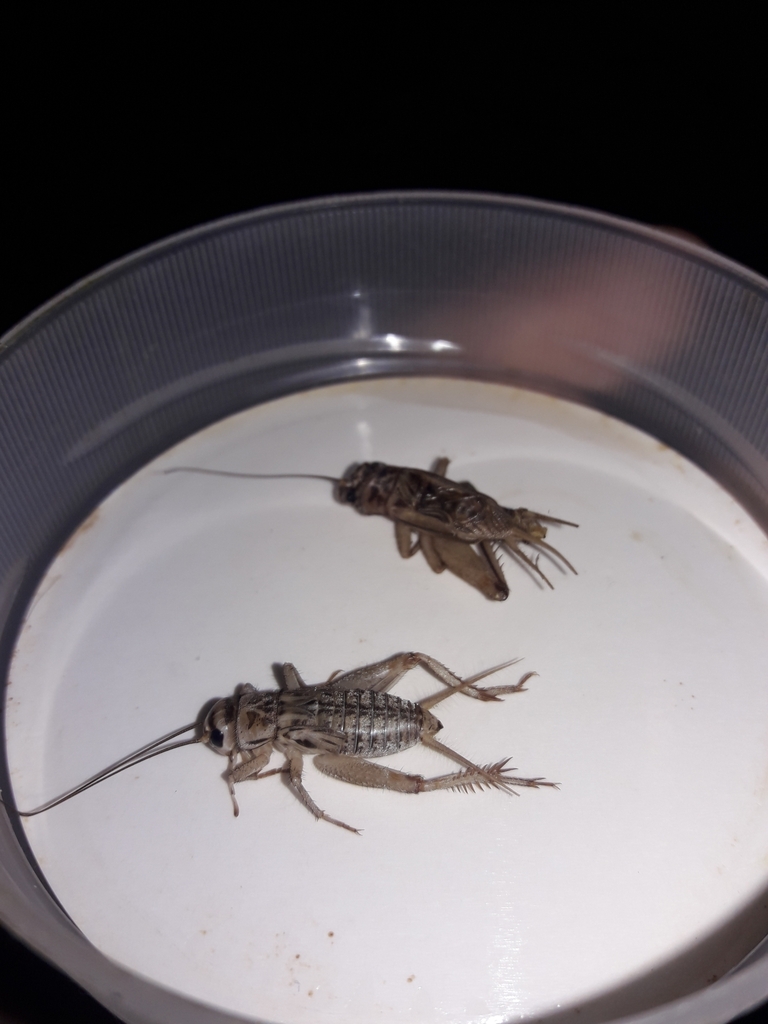
House cricket
Acheta domesticus
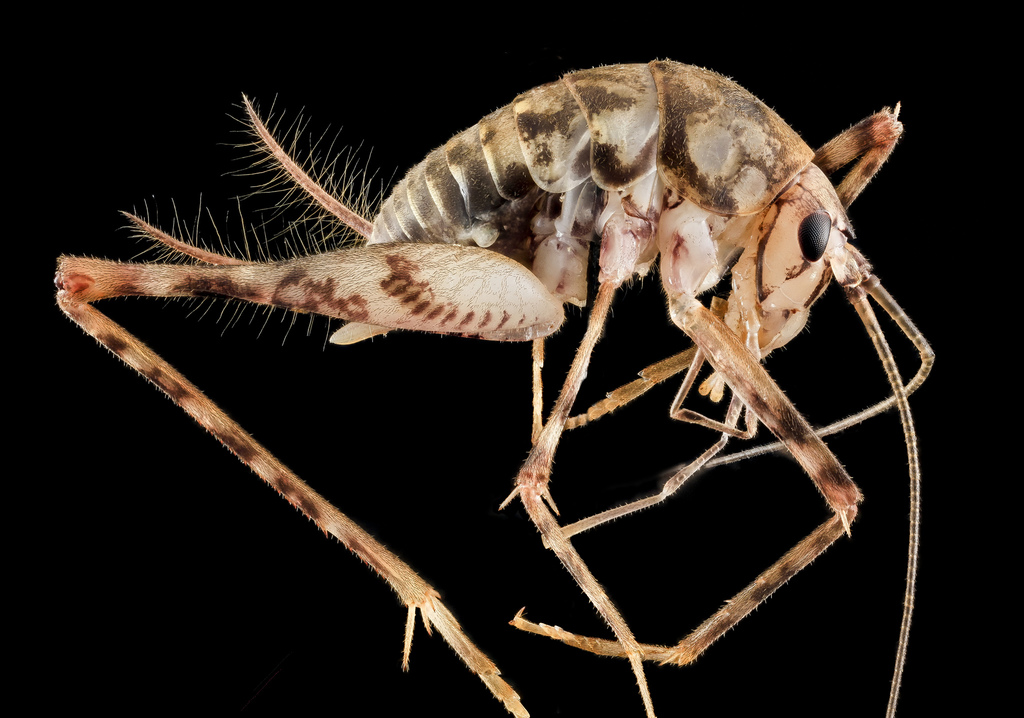
Greenhouse camel cricket
Diestrammena asynamora
≠The key differences
House crickets have wings and produce chirping sounds; greenhouse camel crickets are wingless and silent.
⚖︎Side by side
| House cricket | Greenhouse camel cricket | |
|---|---|---|
| To humans | Non-toxic | Non-toxic |
| Size | 16-21 mm body length | 13-19 mm body length (excluding long legs and antennae) |
| Colours | Tan, Light brown, Dark brown | Light brown, Dark brown, Tan |
| Family | Gryllidae | Rhaphidophoridae |
| Habitat | Warm, sheltered places in and around buildings, basements, garages, compost heaps, greenhouses and garden debris. | Cool, humid microhabitats: greenhouses, basements, crawlspaces, woodpiles, leaf litter and caves. |
| Range | Originally Eurasian; now cosmopolitan where humans provide warm refuges — widespread in North America, Europe, Asia, Australia and other regions. | Native to East Asia; introduced and widespread in North America and present in greenhouse facilities in other temperate regions. |
| Active | Mostly active at night; peak activity in warm months and in heated buildings year-round in temperate zones. | Nocturnal; active year-round in heated greenhouses and indoors, seasonally outdoors in summer and fall. |
| Pest? | Yes | Yes |
🔍How to spot a house cricket
- Length about 16-21 mm, pale tan to brown body with long filamentous antennae.
- Males produce a steady chirping song by rubbing forewings together; listen for this at night.
- Females have a visible straight ovipositor extending from the rear; males lack an ovipositor.
- Wings usually overlap the abdomen; hind legs are large for jumping.
🔍How to spot a greenhouse camel cricket
- Humpbacked, wingless body with very long hind legs and very long antennae.
- Mottled tan to dark brown coloration and laterally compressed body shape.
- Active at night; found in cool, damp, dark places such as basements, crawlspaces and greenhouses.
- No wings or song (unlike many other crickets) and they leap when disturbed.
?Frequently asked questions
What is the difference between a house cricket and a greenhouse camel cricket?
House crickets have wings and produce chirping sounds; greenhouse camel crickets are wingless and silent.
Is a house cricket or a greenhouse camel cricket more dangerous?
House cricket: Non-toxic. Greenhouse camel cricket: Non-toxic. House crickets do not have venom and rarely bite; a bite would be minor and uncommon. Greenhouse camel crickets are not venomous and do not seek to bite people.
Identification from photos is never certain: don't handle insects you can't identify, and get medical advice for bites, stings or allergic reactions.