
Barn funnel weaver
Tegenaria domestica · Funnel weavers
A common brown house-dwelling funnel-web spider that builds sheet webs with a funnel retreat; not dangerously venomous to humans.
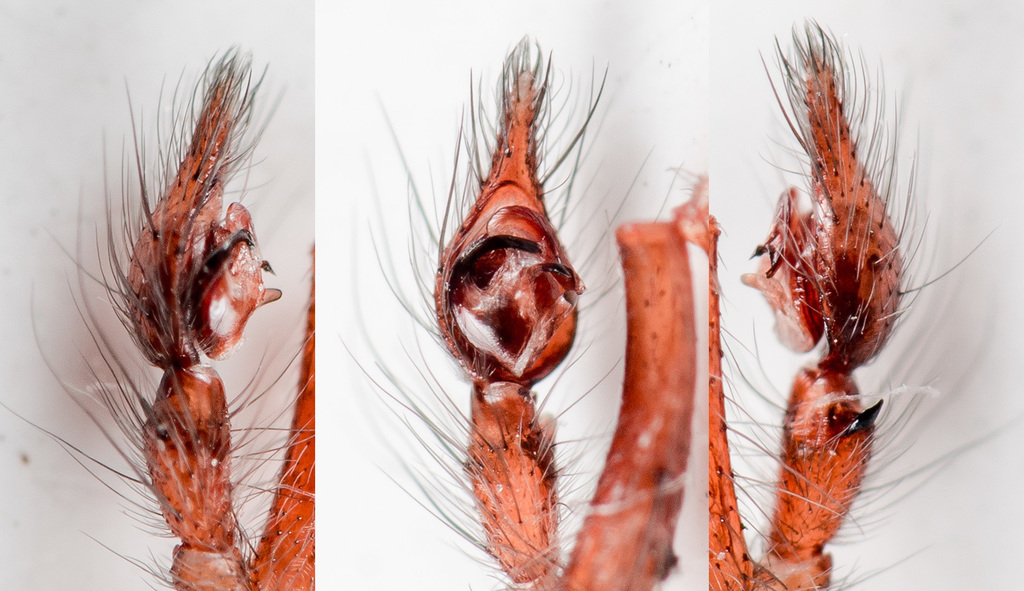
!Is the barn funnel weaver dangerous?
Only mildly. Not dangerous to humans. Bites are rare and usually occur only when the spider is trapped against skin; symptoms are typically mild and localized (redness, pain, swelling). Wash the area with soap and water, apply a cold pack to reduce swelling, and seek medical care if symptoms worsen, show signs of infection, or if you have an allergic reaction.
Pets
Generally low risk to cats and dogs; a bite could cause mild local pain or swelling. Very large pets are unlikely to be seriously affected. Contact a veterinarian if a pet shows severe signs after a bite.
📖Overview
Tegenaria domestica is a medium-sized funnel-weaving spider commonly found in and around buildings, barns, basements and other sheltered structures. It builds a flat, irregular sheet web with a funnel-shaped retreat where the spider hides and waits for prey. It is primarily nocturnal and a generalist predator of insects. This species is native to Europe and is widely introduced and established in temperate regions worldwide, especially in human structures.
Behavior is secretive: individuals spend much of their time in the funnel and run out to capture prey that lands on the sheet. They tolerate dry, cluttered, and undisturbed corners of houses and outbuildings, which is why people frequently encounter them indoors. They are not considered dangerous to people; bites are uncommon and usually cause only mild local symptoms.
🔍How to identify a barn funnel weaver
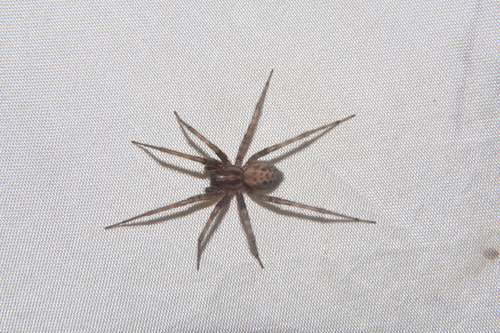
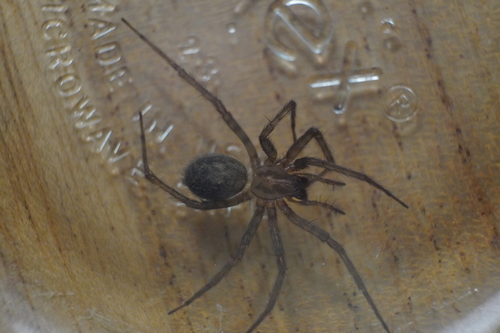
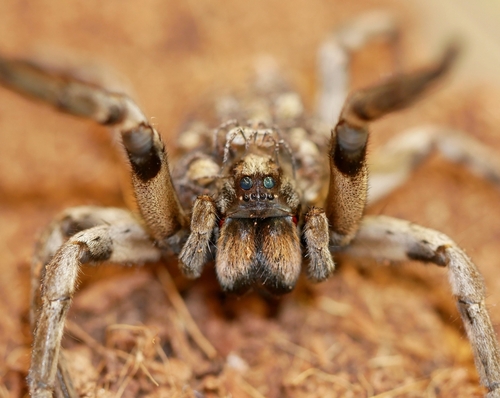
Adults are long-legged, with a relatively flattened appearance. Body color is tan to brown, with two dark lengthwise bands on the cephalothorax and a mottled abdomen with pale and dark chevron-like markings. Legs are long and distinctly ringed with darker bands. Females are stouter than males; males have longer legs and a slimmer abdomen, especially in the wandering mating season. The characteristic funnel retreat at the end of a flat sheet-like web is the most reliable field clue to identity.
- Look for a horizontal sheet web with a funnel-shaped retreat tucked into a corner, gap or crevice.
- Body tan to brown with two dark bands on the cephalothorax and a mottled, chevron-marked abdomen; long legs ringed with darker bands.
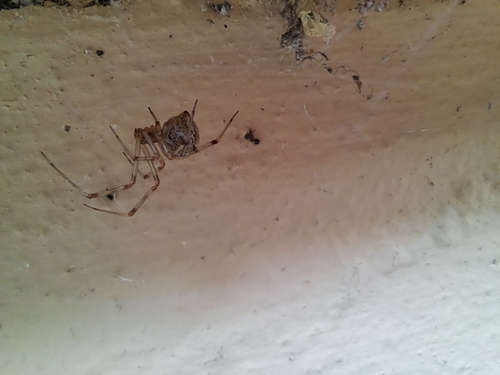
- Found in undisturbed corners of basements, attics, barns and garages — typically inside human structures.
- Males are more slender with proportionally longer legs and may be seen wandering in late summer.
Lookalikes
Hobo spider Eratigena agrestis
Hobo spider (recently placed in Eratigena) is similar in color and habitat but tends to have different abdominal patterning and a slightly different web structure; identification often requires close examination by an expert.
Giant house spider Eratigena atrica
Giant house spiders are generally larger with longer legs and a more elongate body; size and proportions are the easiest field clues.
↻Life cycle
Egg sac
Females produce silk egg sacs and guard them in the funnel; dozens to a couple hundred eggs per sac depending on conditions.
Spiderlings (juveniles)
Young hatch as spiderlings and disperse by walking or ballooning when small; they molt several times as they grow.
Adult
Sexually mature adults mate in late summer-autumn; males often wander while searching for females.
🍃Diet and predators
Young eat
Small flying and crawling insects and other tiny arthropods
Adults eat
Generalist predator of flies, moths, ants, beetles and other household pests
Predators of the young
Predatory insects, spiders, ants, small birds
Predators of adults
Birds, larger spiders, wasps (including spider-hunting wasps), small mammals
🌱Effect on plants and gardens
Does not feed on plants; beneficial as a predator of household and garden pest insects
📍Where and when to find it
Look in basements, attics, garages, barns, behind furniture, under eaves and in undisturbed corners; check the funnel retreat in web margins for the spider.
Best time
Late summer and autumn for wandering males; nocturnal activity year-round indoors.
Observation tips
Use a flashlight to spot webs and the funnel entrance; photograph from several angles including the web to show the funnel retreat.
✨Fun facts
- The name 'funnel weaver' comes from the funnel-shaped silk retreat where the spider hides and waits for prey.
- Indoor populations can persist year-round because buildings offer stable temperatures and shelter.
- Though called the 'barn' funnel weaver, this species is equally at home in houses, cellars and garages.
?Frequently asked questions
Are barn funnel weavers dangerous?
Only mildly. They are not considered dangerous; bites are uncommon and usually cause only mild, localized symptoms.
Do barn funnel weavers bite people?
Bites are rare and typically happen only if the spider is threatened or trapped against the skin. Most encounters end with the spider fleeing.
Why do I have these spiders in my house?
They prefer sheltered, undisturbed corners and feed on insects that live in buildings. Cluttered basements, garages and barns provide ideal conditions.
How do I get rid of barn funnel weavers?
Reduce insects (their food), remove webs with a vacuum or broom, declutter and seal cracks and gaps. Sticky traps and regular cleaning help. Pesticides can be used but are usually unnecessary for occasional indoor spiders.
Where do barn funnel weavers build their webs?
They build flat sheet webs that lead into a funnel retreat, often in corners, behind boxes, under eaves, or in crevices.
📷Photos of the barn funnel weaver
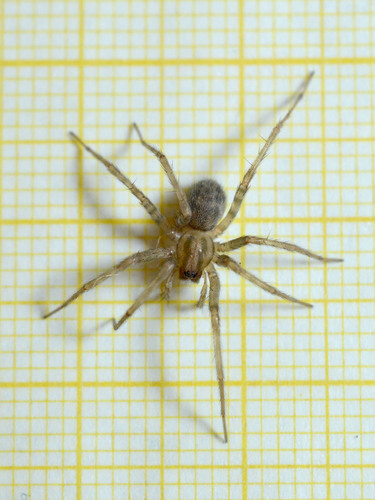
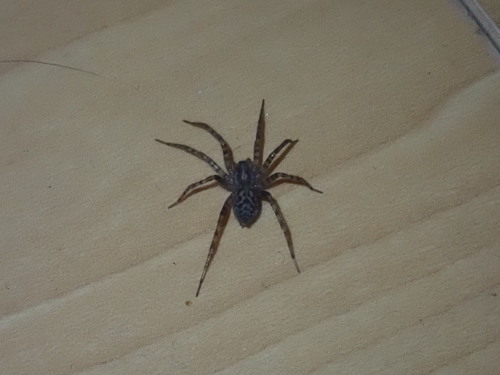
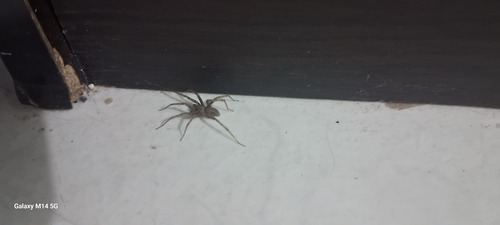
More spiders
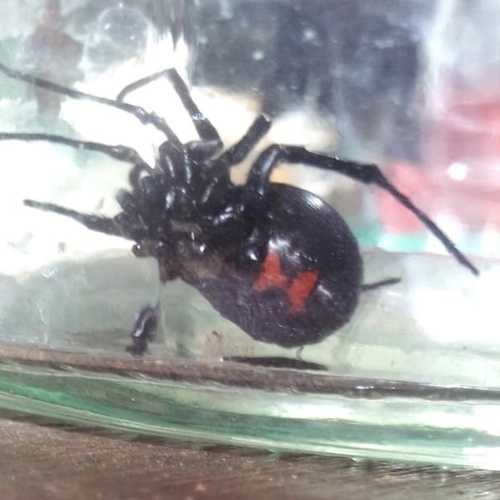
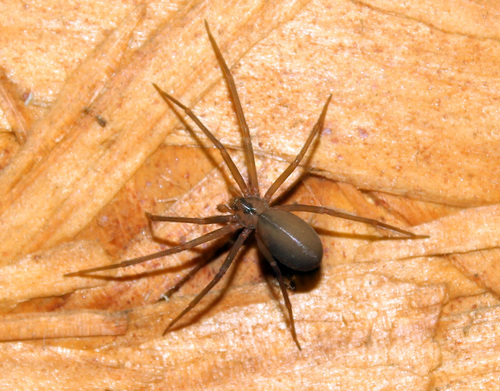
This guide was written with AI assistance and fact-checked, last updated 2026-10-10. Identification from photos is never certain: don't handle insects you can't identify, and get medical advice for bites, stings or allergic reactions. More about the barn funnel weaver: iNaturalist, Wikipedia.