
Texas brown tarantula
Aphonopelma hentzi · Tarantulas
A large, hairy ground-dwelling tarantula common in central and southern United States, mainly non-aggressive and important as a pest-eating predator.
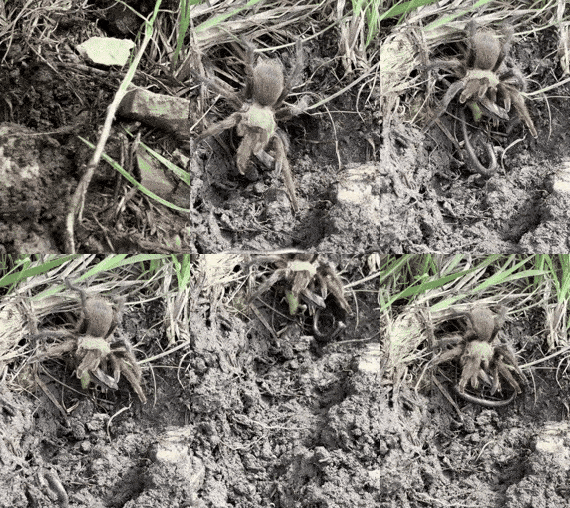
!Is the Texas brown tarantula dangerous?
Only mildly. Bites are uncommon and usually produce localized pain, redness and swelling similar to a bee sting. Some people may have stronger allergic reactions. The abdomen bears urticating hairs that can cause itching and irritation; if they get into the eyes they can cause more serious irritation and require medical attention. For a bite: wash the area, apply a cold pack, watch for allergic signs (difficulty breathing, widespread swelling) and seek medical care if symptoms progress; call emergency services for signs of a severe allergic reaction.
Pets
Most healthy pets will not be seriously harmed by a bite, but reactions vary. Small pets (young kittens, small reptiles) could be more affected and may show pain, swelling or lethargy. Urticating hairs can irritate pet eyes and skin; consult a veterinarian if your pet is exposed or shows symptoms.
📖Overview
Aphonopelma hentzi is a widespread terrestrial tarantula found across the south-central United States, especially Texas and surrounding states. It lives in burrows or under debris, is primarily nocturnal, and feeds on insects, small vertebrates and other arthropods. Adults are slow-moving and typically avoid confrontation; they rely on size, hairs and occasional threat displays rather than biting.
This species is long-lived (especially females), with slow growth and multiple molts before reaching maturity. It is not considered dangerously venomous to people: bites are uncommon and usually produce localized pain and swelling similar to a bee sting, while urticating hairs can cause more irritating reactions if they contact skin or eyes.
🔍How to identify a Texas brown tarantula
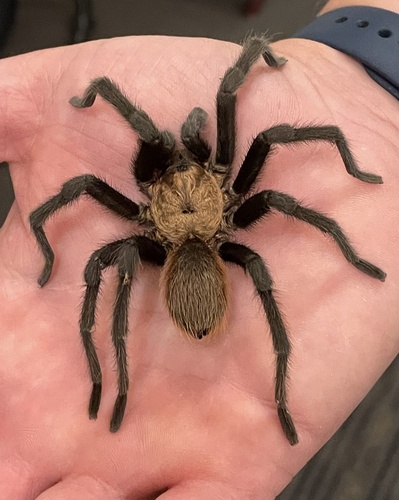
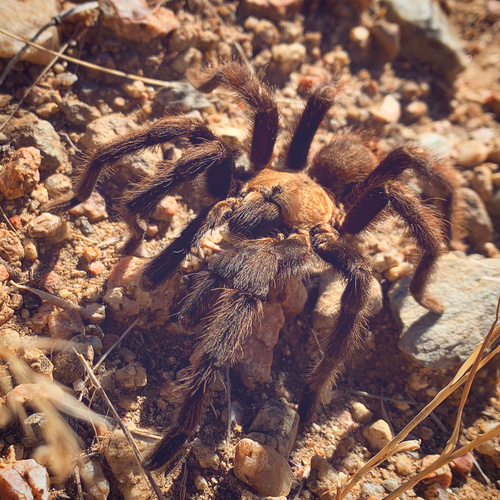
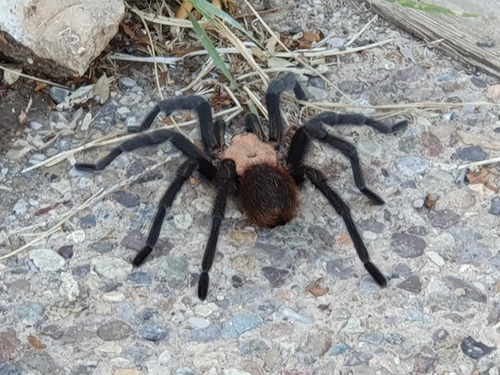
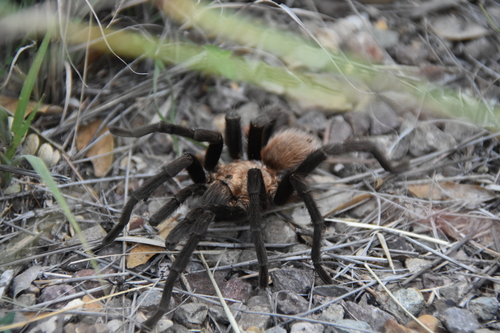
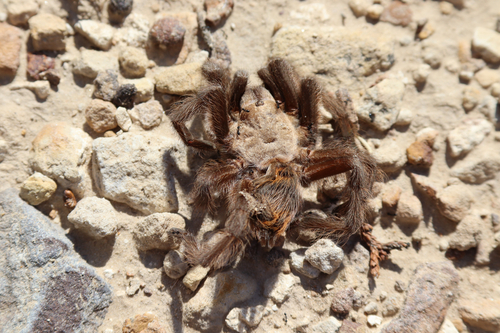
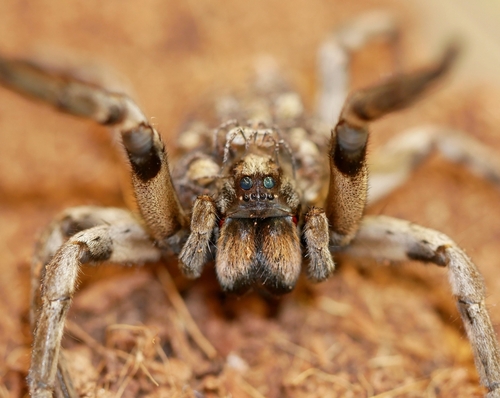
Adults are robust, densely setose (hairy) spiders with a compact body and substantial legs. Carapace and legs are various shades of brown; some individuals show slightly darker or reddish tones on the legs or abdomen. Females are typically stockier with a rounder abdomen; males have longer legs and slimmer bodies when mature. When threatened they may rear up with the front legs raised, display fangs, and flick urticating hairs from the abdomen.
- Large, hairy ground spider with a compact body and robust legs; slower movements than hunting wolf spiders
- Overall brown to tan coloration without bold banding; carapace and legs similar shades of brown
- Found near or in a burrow or shallow hole; often seen at night near the burrow entrance
- Females are stockier with rounder abdomens; males have longer legs and narrower bodies when mature
Lookalikes
Desert tarantula (Arizona blond tarantula) Aphonopelma chalcodes
A. chalcodes (found mainly in the southwestern U.S.) is typically lighter, often with pale tan or blond legs and carapace; A. hentzi is generally darker brown and ranges further east and north into the central U.S.
Other Aphonopelma species Aphonopelma spp.
Several Aphonopelma species overlap in range and look similar; range, subtle color tones and examination of mature male reproductive structures (palps) or female genitalia are used by experts to distinguish species.
↻Life cycle
Egg
Females lay eggs in a silk egg sac inside the burrow. The female guards the sac and stays near the burrow while eggs develop.
Spiderling (juvenile)
Spiderlings hatch inside the sac and stay in the mother's burrow for a short time before dispersing. Juveniles grow by periodic molts over several years.
Adult tarantula
Mature males wander searching for females and typically die sooner after reaching maturity; females remain near burrows, reproduce annually or irregularly, and can live many years.
🍃Diet and predators
Young eat
Small insects and other tiny arthropods
Adults eat
Crickets, beetles, grasshoppers, other arthropods and occasional small vertebrates (e.g., small lizards)
Predators of the young
Small mammals, birds, larger spiders and parasitic wasps
Predators of adults
Skunks, foxes, coyotes, large birds and tarantula hawks (spider wasps, family Pompilidae), which paralyze tarantulas to feed their larvae
🌱Effect on plants and gardens
Does not eat or damage plants; helps control insect and small vertebrate populations around gardens
📍Where and when to find it
Look at night near burrow entrances in dry grasslands, along fence lines, under logs, rocks and posts; juveniles may be found at burrow entrances or under debris.
Best time
Spring through fall evenings and nights, especially after warm, humid nights following rain.
Observation tips
Use a flashlight at night and watch quietly near burrow entrances. Photograph from a safe distance and avoid handling; if photographing, try backlighting to show silhouette and scale.
✨Fun facts
- Female Texas brown tarantulas can live for more than a decade, and some have lived over 20 years in captivity.
- They are shy and rely on retreat (burrows) and hairs for defense rather than aggressive biting.
- Tarantula hunting wasps will sometimes paralyze tarantulas and use them as live food for their larvae.
?Frequently asked questions
Are Texas brown tarantulas venomous?
Yes, they have venom like all tarantulas, but it is generally mild to humans and rarely medically serious. Bites usually cause localized pain and swelling.
Do Texas brown tarantulas bite people?
Bites are uncommon because these tarantulas are docile and prefer to flee or use hairs as defense. A bite can occur if the spider is provoked or handled roughly.
Why is a tarantula in my house?
They wander into buildings searching for prey, shelter or mates. Suburban yards with rocks, logs, and loose soil provide ideal burrow sites near houses.
How do I get rid of a tarantula in my home?
If safe to do so, use a jar and stiff paper to trap the spider and release it outdoors away from the house. Seal gaps in foundations, doors and windows, remove debris and reduce insect prey to make the area less attractive.
Can tarantula hairs harm me?
Yes. Urticating hairs on the abdomen can cause itching and irritation; if they get in the eyes they can cause significant discomfort and require medical care. Avoid rubbing affected areas and wash skin with soap and water.
📷Photos of the Texas brown tarantula
More spiders
This guide was written with AI assistance and fact-checked, last updated 2026-10-10. Identification from photos is never certain: don't handle insects you can't identify, and get medical advice for bites, stings or allergic reactions. More about the Texas brown tarantula: iNaturalist, Wikipedia.