
Aerial yellowjacket
Dolichovespula arenaria · Yellowjackets and hornets
A medium-sized, black-and-yellow social wasp that builds paper nests above ground in trees, shrubs and buildings; can sting repeatedly when its nest is disturbed.
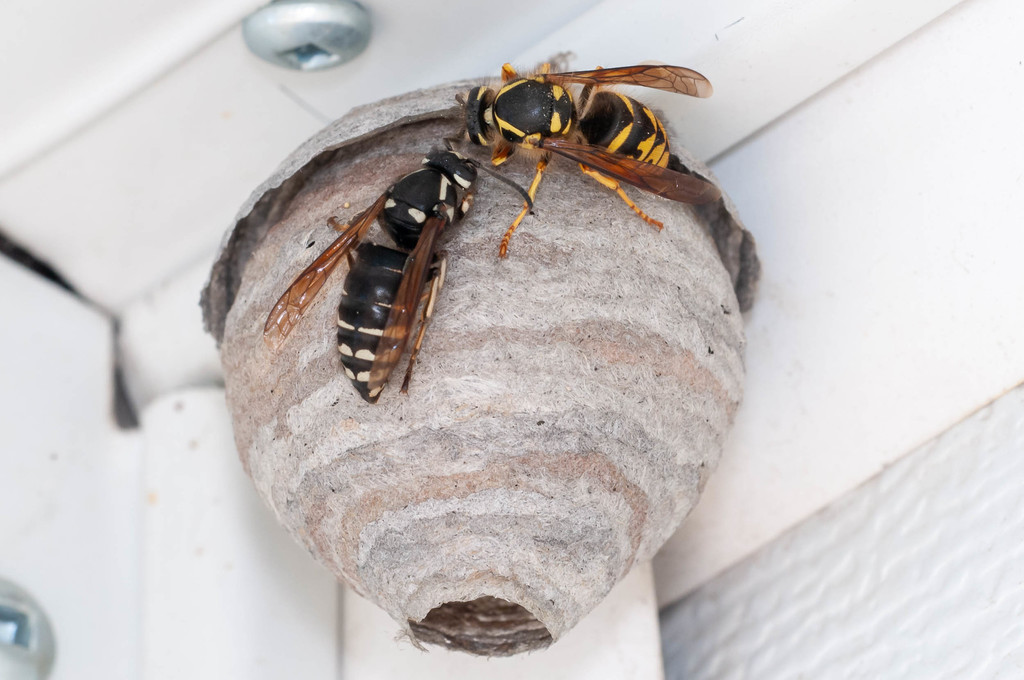
!Is the aerial yellowjacket dangerous?
Yes, it can be. Workers can sting repeatedly and will defend nests aggressively. Stings are painful and can cause swelling, redness and itching. Yellowjackets do not leave their stinger in the skin. For normal stings: move away from the nest, wash the area, apply cold compresses and consider oral antihistamines or topical hydrocortisone for itching and swelling. If signs of a severe allergic reaction (anaphylaxis) appear, such as trouble breathing, swelling of the face or throat, widespread hives, dizziness or fainting, use a prescribed epinephrine auto-injector if available and call emergency services immediately.
Pets
Stings can be painful for pets; multiple stings may cause significant swelling, pain or allergic reaction. Keep pets away from active nests and seek veterinary care if stung multiple times or if signs of severe reaction occur (difficulty breathing, collapse, severe swelling).
📖Overview
Dolichovespula arenaria is a social vespid wasp common across much of North America. Colonies are annual: a single overwintered queen founds a nest in spring, workers expand it through summer, and the colony produces males and new queens in late summer to autumn. Nests are made from chewed wood fibers mixed with saliva, forming grayish paper combs and an outer envelope. Aerial yellowjackets forage for sugary foods and protein (other insects) and are often seen visiting flowers, sap flows and human food at picnics.
They are generally not aggressive when away from the nest, but workers will defend the nest vigorously and can sting multiple times. Nests located on buildings, under eaves, or in shrubs are a frequent reason people encounter this species. They are beneficial as predators of pest insects but can be a nuisance or hazard when nests are near people or pets.
🔍How to identify an aerial yellowjacket
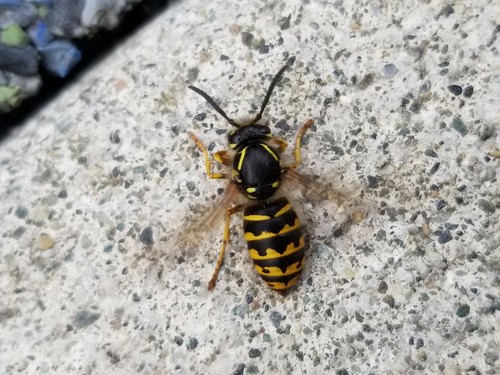
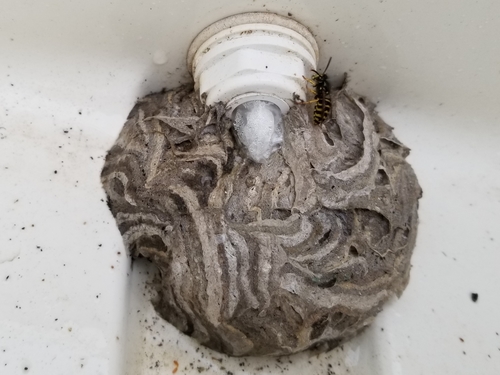
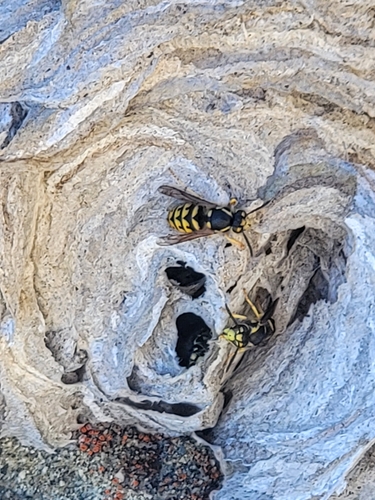
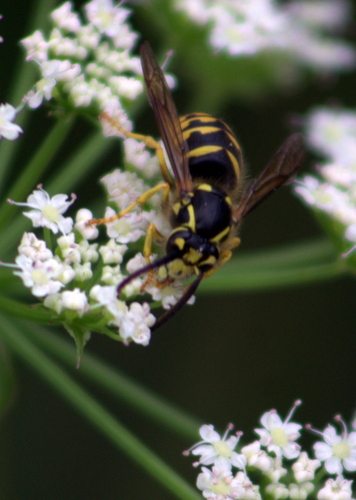
Adults are yellow and black with a slender, elongated abdomen compared with some other yellowjackets. Faces and the dorsal abdomen show bold yellow markings on a black background; the thorax is mostly black with yellow markings. Queens are larger (about 18-20 mm) and more robust than workers (about 12-16 mm). Nests are papery, spherical to ovoid, often 10-30 cm across, with a single entrance hole usually at the bottom when an envelope is present.
- Black and yellow pattern with an elongated abdomen compared with some shorter-bodied yellowjackets
- Workers 12-16 mm; queens larger and more robust (18-20 mm)
- Paper, spherical or ovoid nests attached above ground (trees, shrubs, eaves) often with a single hanging entrance
- Behavior: foraging in daylight on flowers, tree sap, and human foods; defensive near nests
Lookalikes
Bald-faced hornet Dolichovespula maculata
Bald-faced hornets are larger, mostly black with extensive white markings on the face and abdomen, and build larger aerial paper nests often high in trees.
Common yellowjacket Vespula vulgaris
Vespula species are generally stockier with different black-and-yellow banding and often nest underground; examine nest location and banding patterns to distinguish.
↻Life cycle
Egg
Laid singly into comb cells by the queen; hatch in a few days depending on temperature.
Larva (grub)
Larvae are fed regurgitated insect prey and sometimes chewed meat by workers; they grow through several instars inside individual cells.
Pupa
Larvae spin a silken cap over the cell and pupate; metamorphosis completes in the capped cell into an adult wasp.
Adult
Workers and males forage and feed; new queens and males are produced late season, mates are raised, and only inseminated queens overwinter to start new colonies next year.
🍃Diet and predators
Young eat
Protein from chewed insects and spiders provided by workers
Adults eat
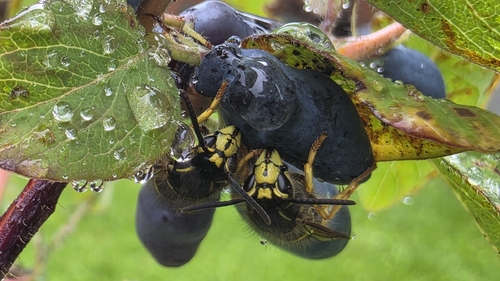
Sugary foods: nectar, honeydew, sap, ripe fruit and human foods/soft drinks; also hunt insects to feed larvae
Predators of the young
Parasitic flies and wasps, birds and small mammals that can open nests
Predators of adults
Birds, dragonflies, robber flies, spiders and larger predatory insects
🌱Effect on plants and gardens
Adults visit flowers for nectar and help with incidental pollination; larvae are fed insects and spiders collected by workers, so the species reduces populations of some garden pests.
How to get rid of aerial yellowjackets
Do not attempt nest removal during daytime when many workers are active. For nests near people or entrances, contact a licensed pest control professional who can remove or destroy the nest safely—professional treatment is normally done at night using protective gear and approved insecticides or physical removal. To reduce nesting near buildings: seal gaps under eaves and in siding, screen vents, reduce open food and trash sources, and avoid leaving sweet foods and drinks outside.
📍Where and when to find it
Look in trees and shrubs, under eaves, porch overhangs and attic spaces for paper nests; adults forage on flowers, sap, ripe fruit and human food.
Best time
Late spring through early fall; observe during warm daylight hours when workers are active. Night is best for nest inspection or removal when workers are less active.
Observation tips
From a safe distance use a zoom lens to photograph nests. Never approach a nest without protective clothing or professional assistance.
✨Fun facts
- Aerial yellowjacket nests are made from chewed wood fiber mixed with saliva, producing a paper-like material.
- Only mated queens overwinter; entire worker population dies off in winter and the queen starts a new colony each spring.
- Workers catch and feed many garden pest insects to their larvae, making them useful natural predators despite being a nuisance to people.
?Frequently asked questions
Do aerial yellowjackets sting?
Yes. Workers can sting repeatedly and defend the nest aggressively.
Are aerial yellowjacket stings dangerous?
For most people stings are painful but not life-threatening; people with venom allergies can experience anaphylaxis and need immediate medical care.
Why is an aerial yellowjacket in my house?
Individuals may enter houses looking for food or nesting sites; nests are usually outdoors, but wasps can get indoors through open doors, windows or vents.
How do I get rid of an aerial yellowjacket nest?
Do not try to remove a nest yourself during the day. For nests near people, hire a licensed pest control professional to remove it safely at night. For prevention, seal gaps in siding and eaves, manage trash and limit sweet food outdoors.
Where do aerial yellowjackets build nests?
Nests are built above ground attached to tree branches, shrubs, attic eaves, porch ceilings and sometimes inside sheltered cavities in buildings.
📷Photos of the aerial yellowjacket
More bees, wasps & ants
Bites and formic acid
Painful sting
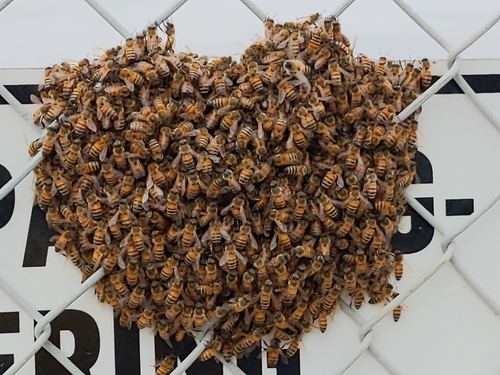
Stinging insect
Can sting
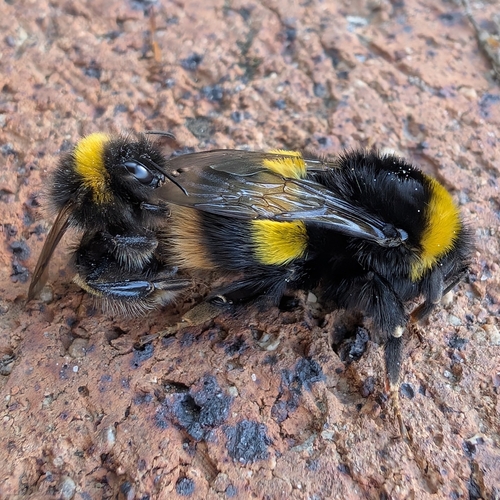
Can sting
Can sting
This guide was written with AI assistance and fact-checked, last updated 2026-10-10. Identification from photos is never certain: don't handle insects you can't identify, and get medical advice for bites, stings or allergic reactions. More about the aerial yellowjacket: iNaturalist, Wikipedia.