
Tropical house cricket
Gryllodes sigillatus · True crickets
A small, warm-climate cricket often found near buildings and used as a pet/feeder species; noisy males chirp and they thrive in warm, humid conditions.
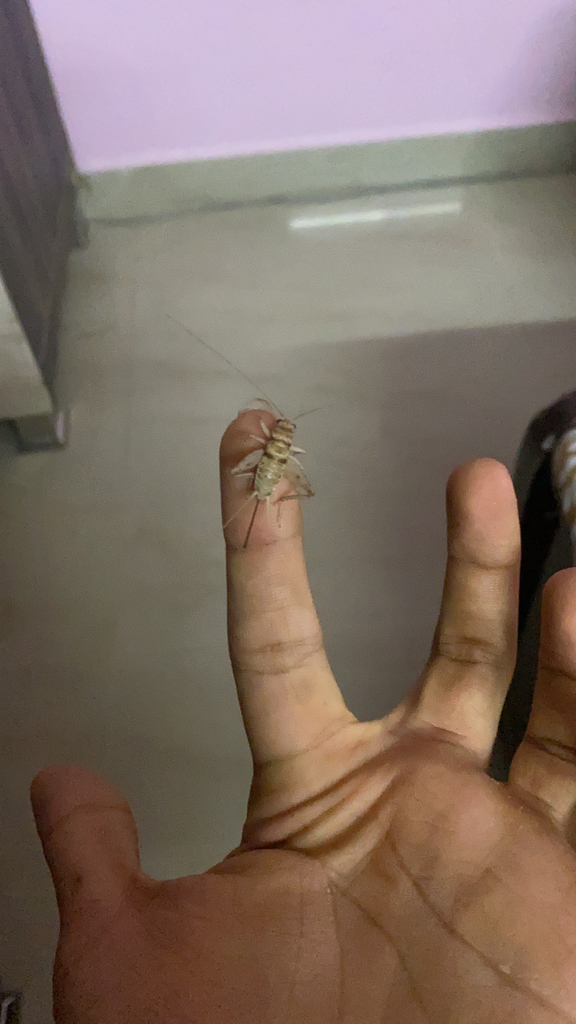
!Is the tropical house cricket dangerous?
No. Not venomous. They do not pose a medical threat. They may nibble if handled roughly but bites are rare and minor. Cricket frass and shed skins can aggravate allergies in sensitive people and stored-food contamination is possible if populations establish in pantries.
Pets
Safe as feeder insects for reptiles, amphibians and many insectivorous pets. As with any feeder, avoid crickets raised on unknown diets and gut-load them with nutritious food before feeding to pets.
📖Overview
Gryllodes sigillatus is a small species of cricket in the family Gryllidae that prefers warm, dry-to-humid microclimates. It is commonly associated with human habitations in tropical and subtropical regions and is widely bred for reptile and amphibian food because of its small size and high reproductive rate. Males produce a characteristic calling song; compared with some house crickets they can be relatively quiet, which makes them popular as feeder insects. They are omnivorous scavengers that eat plant material, decaying matter and stored food items when available.
🔍How to identify a tropical house cricket
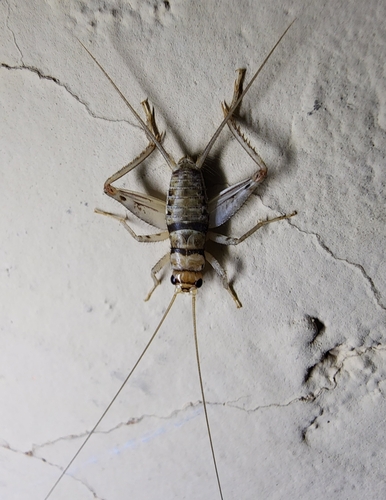
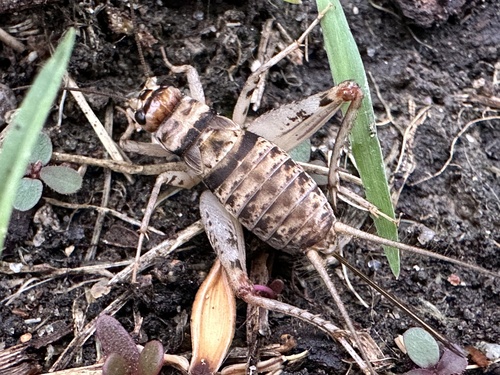
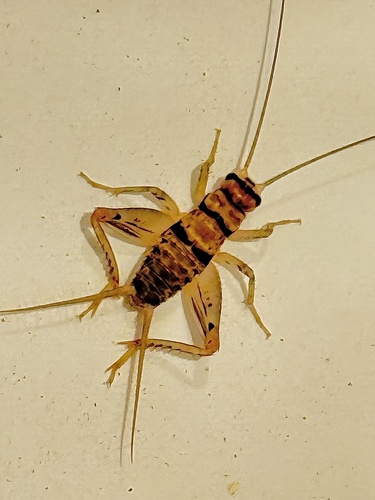
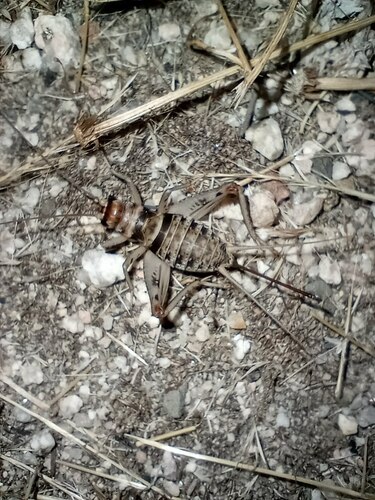
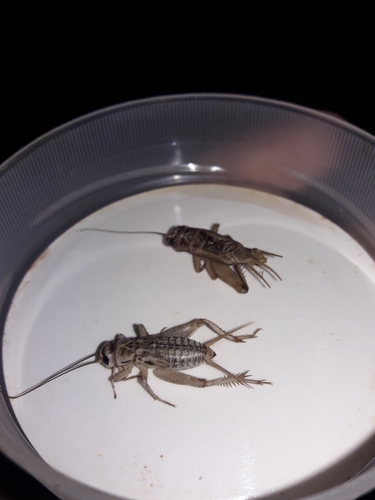
Adults are slender crickets with a narrow body and long antennae. Color ranges from pale tan to golden brown with darker mottling or spots on the head and pronotum and dark transverse bands across the abdomen. Females have a visible straight or slightly curved ovipositor extending from the rear; males lack an ovipositor and have slightly more rounded abdomens. Wings are very short: males have short forewings used for singing, while females are almost wingless; adults cannot fly.
- Small body length around 10-18 mm, noticeably smaller than Acheta domesticus (common house cricket).
- Tan to golden-brown coloration with darker mottling and a narrow body shape.
- Females have a straight ovipositor visible at the rear; males lack it and sing to attract mates.
- Long filamentous antennae and very short wings (females nearly wingless); slender legs adapted for jumping.
Lookalikes
House cricket Acheta domesticus
Acheta domesticus is generally larger, more uniformly darker brown and has a different call; Gryllodes is slimmer and often more mottled/golden.
Two-spotted cricket Gryllus bimaculatus
Gryllus species are larger and stouter with more robust jaws; G. sigillatus is smaller and more delicate.
↻Life cycle
Egg
Females lay eggs in soil, damp substrate or crevices. Eggs hatch in days to weeks depending on temperature and humidity.
Nymph
Wingless nymphs resemble small adults and go through multiple molts, growing larger with each instar over several weeks.
Adult
Adults develop wings and reproductive organs; males produce calling songs to attract females and mating follows.
🍃Diet and predators
Young eat
Detritus, plant material, fungal growth and scaled-down versions of adult food; opportunistic omnivores.
Adults eat
Omnivorous scavengers: plant material, fruits, seeds, decaying organic matter, and occasionally pet feed or stored food.
Predators of the young
Spiders, ants, small reptiles, birds and predatory insects.
Predators of adults
Birds, small mammals, reptiles, amphibians, spiders and predatory insects; also taken by humans as feeder insects for captive pets.
🌱Effect on plants and gardens
Mostly scavengers and generalist feeders; they can nibble seedlings, soft fruits or vegetables and may damage stored plant-based foods when present in large numbers, but they are not major agricultural pests.
How to get rid of tropical house crickets
Seal entry points, reduce outdoor lighting that attracts them, remove debris and damp hiding places, store dry foods in sealed containers, set sticky or baited traps, vacuum out infestations. For heavy infestations, use targeted insecticide treatments or consult pest control professionals; follow label directions and consider humane exclusion first.
📍Where and when to find it
Look at night near indoor lights, in basements, garages, kitchens, compost heaps, leaf litter, under debris and in warm cracks and crevices. Eggs and nymphs are often in soil, leaf litter or damp substrate.
Best time
Warm months in temperate climates (spring to autumn); year-round in warm indoor or tropical locations. Best observed at night when males call.
Observation tips
Listen for the male calling song after dusk to localize them; use a flashlight at a low angle to spot their silhouette. For photography, a macro lens and a quiet environment help—they are skittish and jumpy.
✨Fun facts
- Gryllodes sigillatus is widely reared as a feeder cricket because it breeds quickly and remains relatively small.
- Some populations are valued in the pet trade because they are quieter than larger house crickets.
- They are resilient and will take advantage of warm indoor microhabitats, which is why they often appear in buildings in temperate regions.
?Frequently asked questions
Are tropical house crickets dangerous?
No, they are not venomous or dangerous. They do not carry diseases of major concern to humans, but their droppings and shed skins can cause mild allergic reactions in sensitive people.
Do tropical house crickets bite?
Bites are very rare and minor. Crickets may nip if handled roughly but they are not a biting threat.
Why do I have crickets in my house?
They are attracted to warmth, humidity, shelter and food sources (organic debris, stored dry foods, pet food). Outdoor lighting and cluttered, damp areas near foundations also attract them.
How do I get rid of tropical house crickets?
Reduce attractants: seal cracks, remove debris and damp hiding places, store food in sealed containers, reduce outdoor lights, vacuum and use sticky traps. For large infestations, consult pest control for targeted treatments.
Are tropical house crickets good for pets?
Yes. They are commonly used as feeder insects for reptiles, amphibians and some birds due to their small size and ease of breeding. Gut-load them with nutritious food before feeding.
📷Photos of the tropical house cricket

More grasshoppers & crickets
Non-toxic
Non-toxic
Non-toxic
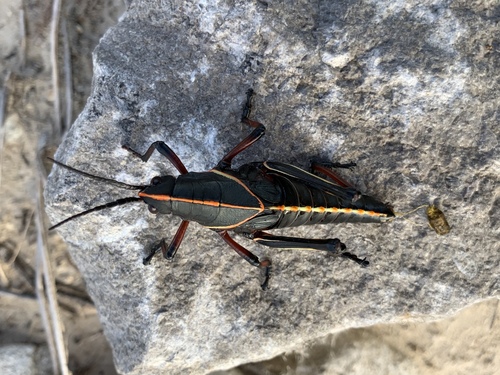
Irritating secretion
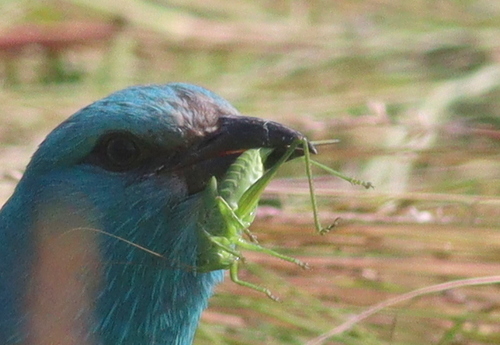
Non-toxic
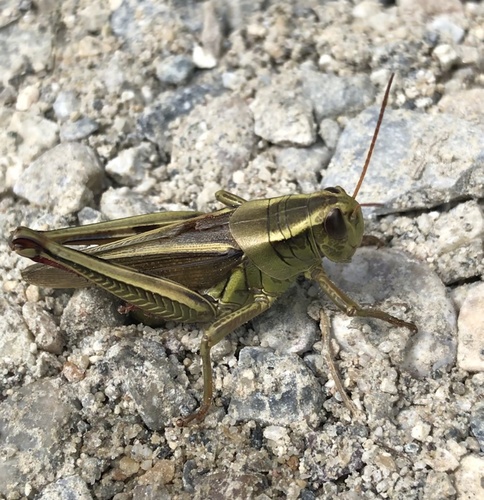
Non-toxic
This guide was written with AI assistance and fact-checked, last updated 2026-10-10. Identification from photos is never certain: don't handle insects you can't identify, and get medical advice for bites, stings or allergic reactions. More about the tropical house cricket: iNaturalist, Wikipedia.