
No-see-um biting midge
Culicoides sonorensis · Biting midges
A very small (1-3 mm) blood-feeding midge whose females bite mammals and birds and which can transmit livestock viruses such as bluetongue.
!Is the no-see-um biting midge dangerous?
Only mildly. Female midges bite to take blood. Bites produce small, itchy welts and can cause localized allergic reactions in sensitive people. They do not inject a dangerous venom, and serious systemic illness in humans is not typically associated with C. sonorensis. First aid: clean the bite with soap and water, apply cold compress, use topical anti-itch treatments (hydrocortisone cream or antihistamine) if needed. Seek medical care for severe allergic reactions.
Pets
Bites may irritate pets similarly to humans. The species is not a common source of severe disease in cats or dogs, but heavy biting can stress livestock and wild ruminants and contribute to weight loss and reduced productivity during outbreaks of transmitted viruses.
📖Overview
Culicoides sonorensis is a tiny blood-feeding fly in the biting midge group. Females require a blood meal to develop eggs; males feed on nectar. The species breeds in moist, organically rich mud and similar habitats and is most active at dawn, dusk and night. While attacks on people cause itchy bites and local allergic reactions, the species is best known as a vector of orbiviruses (for example bluetongue and epizootic hemorrhagic disease) that affect livestock and wild ruminants.
🔍How to identify a no-see-um biting midge
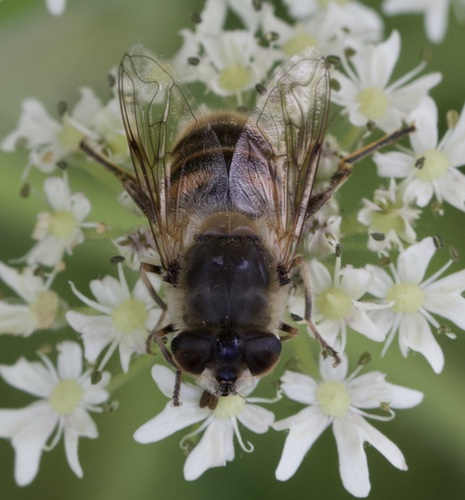
Adults are minute (about 1-3 mm) and delicate with slender bodies, long legs and patterned wings typical of Culicoides midges (rumpled or spotted appearance under magnification). They are generally brown to dark brown; the head has large compound eyes and long, thread-like antennae (bushy in males). Females and males look similar to the naked eye; reliable identification to species usually requires microscopic examination of wing venation and genitalia or molecular methods.
- Very small size: 1-3 mm body length; visible as tiny flies or specks.
- Patterned wings under magnification; wing venation and spots typical of Culicoides midges.
- Found swarming near dusk or dawn around moist habitats, livestock or vegetation.
- Accurate species-level ID typically requires microscopic examination of wings/genitalia or molecular tests.
Lookalikes
Biting midge (other Culicoides species) Culicoides variipennis complex
Lookalike midges in the same complex are very similar; separating species requires microscopic characters or genetic analysis and cannot be done reliably in the field.
Black fly Simuliidae spp.
Black flies are larger, stockier and have humpbacked appearance; larvae attach to flowing water, while Culicoides larvae prefer wet mud and small pools.
↻Life cycle
Egg
Females lay eggs on moist, organic-rich substrates (mud, damp manure, wet soil) where they hatch in days depending on temperature.
Larva
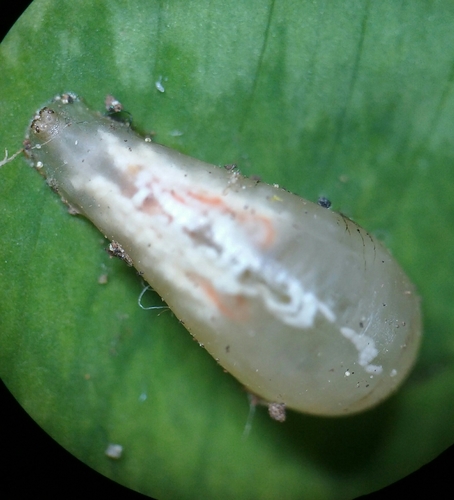
Larvae are wormlike, live in wet or semi-aquatic organic matter and feed on microorganisms and organic debris; several instars develop over days to weeks.
Pupa
Pupae are aquatic or semi-aquatic, non-feeding, and metamorphose to adults in a few days.
Adult
Winged adults emerge, mate, and females seek blood meals to produce more eggs; adults are short-lived (days to about two weeks).
🍃Diet and predators
Young eat
Microorganisms and organic detritus in moist substrates
Adults eat
Both sexes feed on nectar and other sugars; females also require blood meals (mainly from livestock and deer, sometimes people) to develop eggs
Predators of the young
Aquatic and soil predators such as nematodes, predatory insects and microbial pathogens
Predators of adults
Predatory insects, bats, spiders and insectivorous birds
🌱Effect on plants and gardens
Adults feed on nectar when not blood-feeding and do not damage plants. Larvae live in wet organic substrates and do not feed on living plants.
How to get rid of no-see-um biting midges
Most bites can be prevented rather than controlled: use repellents containing DEET, picaridin (icaridin), IR3535 or oil of lemon eucalyptus, wear long sleeves at dawn and dusk, and use very fine mesh screens or bed nets (ordinary window screen is too coarse). Fans help because midges are weak fliers. Reduce breeding sites by fixing leaks, draining wet manure and muddy overflow areas around livestock and ponds. Around livestock, stabling animals at dusk and dawn and following veterinary advice on repellents helps reduce virus transmission; large-scale treatments should be left to vector-control or extension professionals.
📍Where and when to find it
Look near wet, muddy margins of ponds, irrigation ditches, livestock yards and moist organic-rich soil. Adults swarm near vegetation at dawn and dusk; larvae are found in wet mud and manure.
Best time
Warm months locally; crepuscular and nocturnal hours (dawn and dusk) are best for observing activity.
Observation tips
Use a hand lens or macro photography to reveal wing patterning; small battery fans, light traps and CO2-baited traps can collect specimens. For species confirmation, preserve specimens in ethanol and consult a lab for microscopic or genetic ID.
✨Fun facts
- Because they are so tiny, Culicoides midges often pass through ordinary window screens; hence the nickname 'no-see-um'.
- Culicoides sonorensis helped scientists understand transmission of bluetongue virus, making it an important species in veterinary entomology.
- Individual midges are tiny but swarms can be very numerous and cause significant annoyance to people and animals.
?Frequently asked questions
Do no-see-ums bite people?
Yes. Female Culicoides sonorensis bite people and other animals to take blood; bites are small, itchy and sometimes allergenic.
Are no-see-ums dangerous?
They are not known to cause serious disease in humans, but they are important vectors of livestock viruses such as bluetongue and can cause allergic reactions from bites.
Why are they in my house?
They are attracted to light, CO2 and warm-blooded hosts; tiny size allows them to enter through gaps, unscreened vents or ordinary screens.
How do I get rid of no-see-ums?
Reduce breeding habitat (drain or dry wet, organic-rich areas, manage manure and irrigation), use fine mesh screens or bed nets, apply repellents (DEET or icaridin) to skin, use fans to disrupt flight, and consult local vector control for larval control or targeted insecticide treatment when necessary.
Where do no-see-ums breed?
In wet, organically rich substrates such as pond margins, muddy seepages, wet manure, irrigated soils and drainage ditches—any moist place with decaying organic matter.
Can they transmit diseases to my pets or livestock?
They can transmit viruses (for example bluetongue and epizootic hemorrhagic disease) to ruminant livestock and wild deer. They are not a major source of systemic disease for cats or dogs but can harm livestock health during outbreaks.
More flies & mosquitoes
This guide was written with AI assistance and fact-checked, last updated 2026-10-10. Identification from photos is never certain: don't handle insects you can't identify, and get medical advice for bites, stings or allergic reactions. More about the no-see-um biting midge: iNaturalist.