
Sand fly
Phlebotomus papatasi · Sand flies
A very small blood‑feeding fly of arid and peri-domestic habitats that can transmit cutaneous leishmaniasis and phleboviruses in the Old World.
!Is the sand fly dangerous?
Yes, it can be. Female P. papatasi bite to obtain blood. Bites cause itchy, sometimes painful papules and can transmit pathogens including Leishmania major (cutaneous leishmaniasis) and phleboviruses (sandfly fever). If you are bitten and develop a persistent skin lesion, fever, or other worrying symptoms, seek medical care—diagnosis and treatment are important. Prevent bites using bed nets, repellents containing DEET or icaridin, and protective clothing.
Pets
Pets can also be bitten and may become infected with Leishmania species in regions where transmission occurs. Consult a veterinarian about prevention and signs of disease in pets.
📖Overview
Phlebotomus papatasi is a tiny, hairy sand fly species found across the Mediterranean, North Africa, the Middle East and parts of South Asia. Females require blood meals to mature eggs and commonly feed on mammals, including humans and rodents. They breed in sheltered, humid microhabitats rich in organic matter such as rodent burrows, rock crevices, cracked walls and compost.
This species is medically important as a primary vector of Leishmania major (causing zoonotic cutaneous leishmaniasis) and can transmit sandfly fever viruses. Adults are most active at dawn and dusk and are weak fliers, usually moving short distances from breeding/resting sites into nearby houses or animal shelters.
🔍How to identify a sand fly
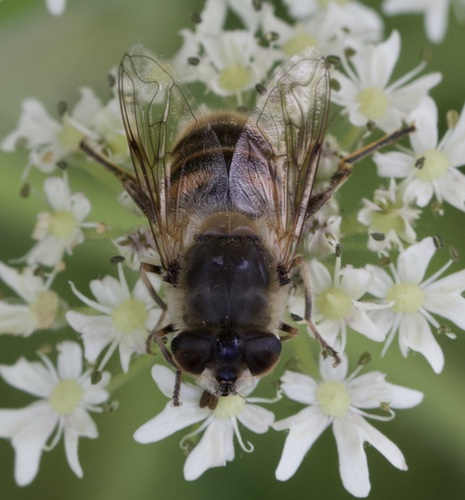
Adults are tiny (about 2-3 mm body length), soft-bodied and densely covered in pale hairs. They have long, slender legs and antennae and narrow, pointed wings that, when at rest, are held erect above the body in a V shape. Colouration is generally pale yellow to light brown with darker markings on the head and thorax; males and females look similar, but males have prominent clasper-like genitalia at the tip of the abdomen. Because of their small size and hairy appearance they can resemble minute moths at a glance.
- Very small size (2-3 mm) — much smaller than mosquitoes.
- Hairy, moth-like appearance with long antennae and slender legs.
- Wings held erect in a V shape above the body when resting, unlike the roof-like wings of drain flies.
- Creamy to light-brown body colour with darker head and thoracic markings.
Lookalikes
Phlebotomus argentipes Phlebotomus argentipes
Different species in the same genus; distinguished by microscopic characters of antennae, male genitalia and female spermathecae and by geographic range (P. argentipes is a primary vector in parts of South Asia).
Sergentomyia species Sergentomyia spp.
Sergentomyia are Old World sand flies that often bite reptiles and are usually differentiated by microscopic morphology and lesser medical importance in humans.
↻Life cycle
Egg
Females lay small eggs in humid, organic-rich substrates (soil, leaf litter, rodent burrows). Eggs hatch in about a week depending on temperature and humidity.
Larva
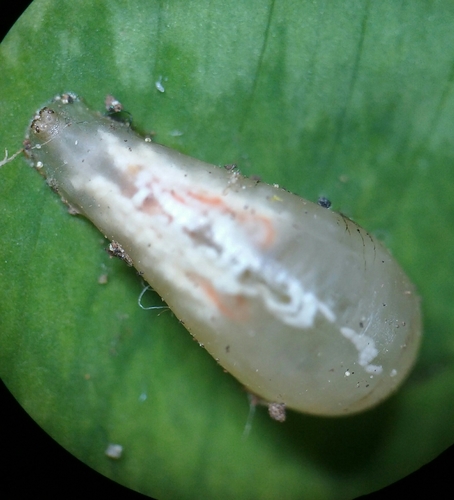
Four instars of non-biting larvae feed on organic detritus, fungi and microorganisms in the substrate; development time varies with conditions, often several weeks.
Pupa
A non-feeding pupal stage lasts a few days to a week, after which the adult emerges.
Adult
Adults feed on plant sugars; females seek blood meals to produce eggs. Adults are weak fliers and live for a few weeks.
🍃Diet and predators
Young eat
Larvae feed on organic detritus, fungi and microorganisms in soil and litter.
Adults eat
Males and females take plant sugars (nectar, honeydew); females also take blood meals, mainly from mammals including humans, to develop eggs.
Predators of the young
Soil predators such as predatory beetle larvae and mites.
Predators of adults
Spiders, predatory insects, bats and insectivorous birds; also eaten by nocturnal insectivores.
🌱Effect on plants and gardens
Adults do not damage plants; males and females feed on plant sugars (nectar, honeydew) for energy. Larvae feed on organic detritus and microorganisms in soil or litter and do not attack living plants.
How to get rid of sand flies
Reduce breeding and resting sites: remove accumulated organic matter, seal cracks and crevices around homes, clean rodent burrows near houses and improve sanitation. Use insecticide-treated bed nets and screens, apply residual insecticides to resting surfaces (walls, animal shelters) where recommended by public health authorities, and use topical repellents on skin and clothing. In outbreak areas, coordinated vector control and reservoir (rodent) management by public health services are the most effective measures.
📍Where and when to find it
Look for adults near dusk and at night around house eaves, animal shelters, rodent burrows, compost piles and shaded crevices. Larvae and eggs are found in humid organic-rich soil, leaf litter and burrow floors but are difficult to spot.
Best time
Warm months in the local region; adults are most active at dusk, night and dawn.
Observation tips
Use a bright light and macro lens to photograph them at close range; set up emergence traps or light traps for surveying (handled by trained personnel). For public health sampling, sticky traps and CDC-style light traps are commonly used.
✨Fun facts
- Even though they are called 'flies', sand flies are tiny and hairy and often mistaken for small moths.
- Only the female sand fly takes blood; males feed exclusively on plant sugars.
- Because they are weak fliers, sand flies usually move short distances from where they breed into nearby houses or animal shelters.
?Frequently asked questions
Do sand flies bite humans?
Yes. Female Phlebotomus papatasi bite humans to obtain blood for egg production; bites typically cause itchy papules.
Are sand fly bites dangerous?
Bites themselves are usually only locally irritating, but P. papatasi is a known vector of Leishmania major (cutaneous leishmaniasis) and certain phleboviruses, so bites in endemic areas carry infection risk. Seek medical advice for persistent skin lesions or fever.
Why am I seeing sand flies in my house?
They are weak fliers that enter houses from nearby resting or breeding sites (rodent burrows, cracks, animal shelters). Houses near organic debris, rock piles, or rodent infestations are more likely to have sand flies.
How can I get rid of sand flies?
Limit breeding sites (remove organic debris, seal cracks, control rodents), use insecticide-treated bed nets and screens, apply residual insecticides where public health guidance recommends, and use topical repellents on exposed skin and clothing.
Where does Phlebotomus papatasi live?
In arid and semi-arid regions across the Mediterranean, North Africa, the Middle East and parts of South Asia, in sheltered, humid microhabitats like rodent burrows, cracked walls, compost and animal shelters.
More flies & mosquitoes
This guide was written with AI assistance and fact-checked, last updated 2026-10-10. Identification from photos is never certain: don't handle insects you can't identify, and get medical advice for bites, stings or allergic reactions. More about the sand fly: iNaturalist, Wikipedia.