
Harlequin bug
Murgantia histrionica · Stink bugs
A brightly colored North American shield bug and common pest of cabbages and other crucifers; nymphs and adults suck plant juices and can severely damage crops.
!Is the harlequin bug dangerous?
No. Harlequin bugs do not pose a venom or disease risk to people. They can emit an unpleasant odor (stink) when crushed or disturbed. Handling may cause mild skin staining from body pigments but does not cause poisoning. If bitten (rare), the bite is minor and not medically significant.
Pets
Generally not a threat to cats or dogs. Pets that mouth or eat many bugs may experience minor stomach upset; the defensive odor can be unpleasant.
📖Overview
Murgantia histrionica is a small pentatomid (stink) bug native to Mexico and Central America, which spread into the United States in the 1800s and feeds on members of the mustard family (Brassicaceae) and related vegetables. Both nymphs and adults use piercing-sucking mouthparts to extract sap from leaves, stems and developing fruits, causing wilting, discoloration and reduced yields. Harlequin bugs overwinter as adults in crop debris or field margins and produce one or more generations per year depending on climate.
🔍How to identify a harlequin bug
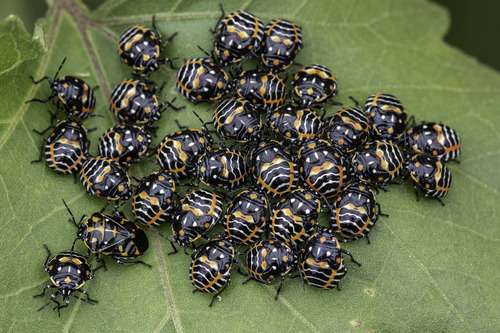
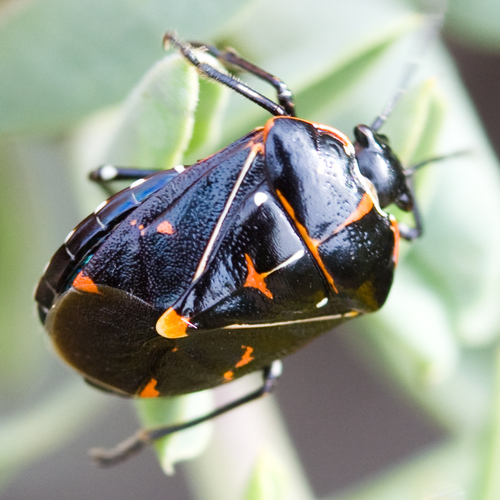
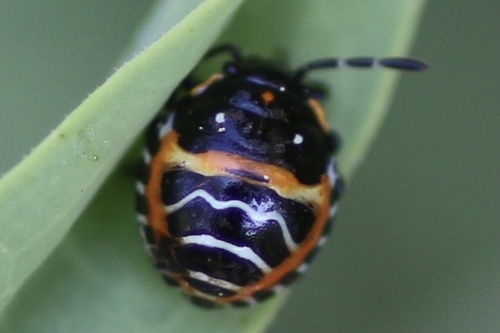
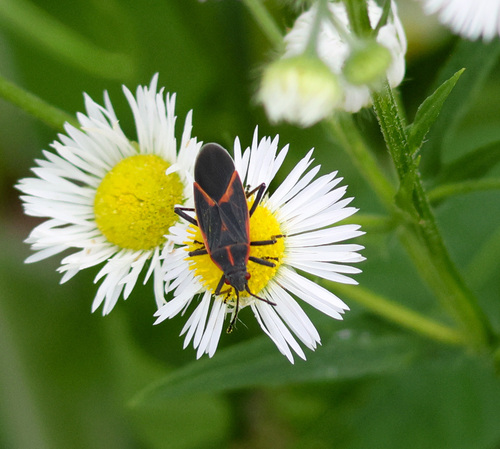
Adults are shield-shaped and about 8-11 mm long with a striking pattern of black and orange or red on the dorsal surface; some individuals show yellow or white markings. The scutellum and pronotum typically display alternating bright and dark patches that make the insect highly conspicuous. Nymphs are wingless and progress through several instars: early instars are rounded and predominantly orange-red or red with black markings; later instars develop more of the adult shield shape but lack fully formed wings.
- Distinctive black-and-orange-red patterned shield-shaped body, 6-12 mm long
- Adults have alternating bright and dark patches on the pronotum and scutellum; nymphs are bright red/orange with black spots
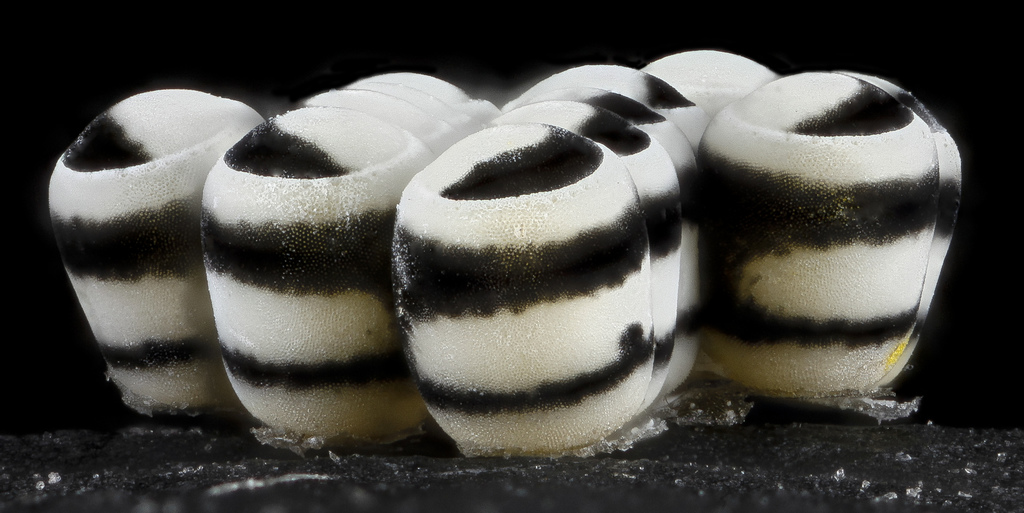
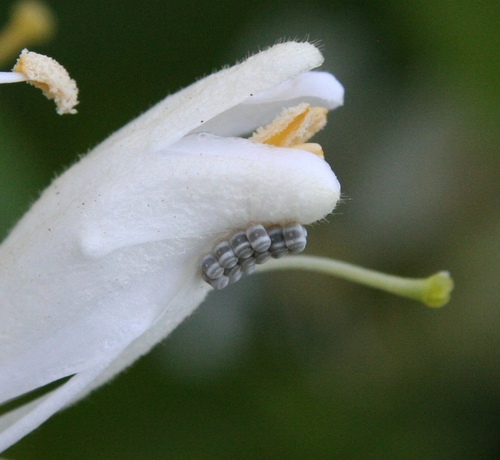
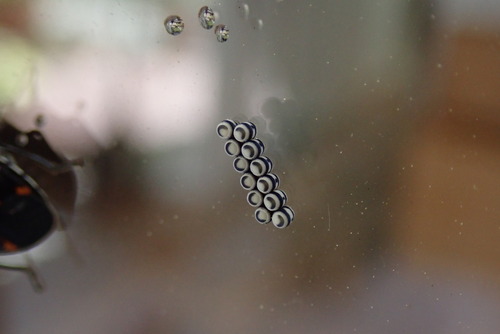
- Eggs are barrel-shaped and laid in tight clusters on the underside of leaves
- Produces a noticeable odor if crushed
Lookalikes
Milkweed bug Lygaeus spp.
Milkweed bugs are elongate and feed on milkweed seeds; coloration can be red-and-black but body shape and habitat (milkweed pods) differ from the broader shield-shaped harlequin bug.
Southern green stink bug Nezara viridula
Nezara viridula is usually green (sometimes mottled) and lacks the high-contrast orange-red and black pattern of Murgantia histrionica.
Bagrada bug Bagrada hilaris
Another invasive stink bug of brassica crops in the southwestern USA, but much smaller (5-7 mm) and mostly black with small white and orange markings rather than bold red-orange and black patches.
↻Life cycle
Egg
Barrel-shaped eggs are laid in clusters (often 10-30) on the undersides of leaves; eggs hatch in about 4-14 days depending on temperature.
Nymph (immature)
Nymphs pass through five instars. Early instars are rounder and wingless and brightly colored; later instars resemble small adults but lack fully developed wings and reproductive organs.
Adult
Winged, sexually mature insects that mate and lay eggs; adults overwinter in plant debris or sheltered sites and produce one or more generations per year.
🍃Diet and predators
Young eat
Sap from stems, leaves and developing seed pods of crucifer plants and related hosts
Adults eat
Sap from the same host plants; adults feed on reproductive structures and developing heads causing most crop damage
Predators of the young
Predatory insects (assassin bugs, predatory stink bugs, spiders) and parasitic wasps that attack eggs
Predators of adults
Birds, predatory insects and parasitoids; adults' bright colors and odor provide some defense
🌱Effect on plants and gardens
Feeds mainly on cruciferous plants such as cabbage, kale, broccoli, collards, mustard greens, bok choy and related weeds (e.g. shepherd's purse). Piercing-sucking feeding causes wilting, yellowing, distorted growth, and spotting on fruit or heads; heavy infestations can kill young plants.
How to get rid of harlequin bugs
Use integrated methods: inspect plants and hand-pick adults and nymphs into soapy water; destroy egg masses (clusters of barrel-shaped eggs often found on undersides of leaves); use row covers to protect young plants; remove crop debris and weeds in fall to reduce overwintering sites; encourage natural enemies (parasitic wasps such as Trissolcus species and predator insects); insecticidal soaps or pyrethroid insecticides can be used where necessary following label directions and considering pollinators.
📍Where and when to find it
Look on leaves, stems and developing heads of cruciferous plants and nearby weed hosts. Egg clusters are on undersides of leaves; nymphs cluster on feeding sites.
Best time
Spring through early fall, during warm daylight hours when bugs are active on plants.
Observation tips
Check underside of leaves for eggs and nymphs, inspect field margins and weeds for overwintering adults in fall, and photograph the dorsal pattern for easy identification.
✨Fun facts
- The conspicuous coloration is a warning signal: adult and nymphal harlequin bugs produce an unpleasant odor and taste to deter predators.
- Harlequin bugs are specialists on cruciferous plants and often concentrate where those crops or weeds are abundant.
- Egg parasitoid wasps (Trissolcus species) can substantially reduce harlequin bug populations and are an important natural control in some regions.
?Frequently asked questions
Are harlequin bugs dangerous to people?
No. They are not venomous or disease vectors. They can emit a strong, unpleasant smell if crushed and may cause minor skin staining, but they do not pose a health risk.
Do harlequin bugs bite?
They have piercing mouthparts for feeding on plants. Bites to people are rare and not medically significant; any feeling is minor.
Why are harlequin bugs in my vegetable garden?
They are attracted to cruciferous crops (cabbage, kale, broccoli, mustard) and related weeds. If you grow those plants or have nearby weeds, harlequin bugs will concentrate there to feed and reproduce.
How do I get rid of harlequin bugs?
Remove and destroy egg masses, hand-pick adults and nymphs into soapy water, use row covers for young plants, clear crop debris and weeds to remove overwintering sites, and encourage natural enemies. Use insecticides only when necessary and follow label instructions.
Will pesticides kill harlequin bugs?
Some insecticides are effective, but control can be difficult because nymphs and adults hide on undersides of leaves. Insecticidal soaps and pyrethroids can work when applied correctly; consider integrated methods and impact on beneficial insects.
📷Photos of the harlequin bug
More true bugs, cicadas & aphids
Bites cause itching
Non-venomous nuisance
Non-toxic
Smelly secretion
Potential disease vector
Painful bite
This guide was written with AI assistance and fact-checked, last updated 2026-10-10. Identification from photos is never certain: don't handle insects you can't identify, and get medical advice for bites, stings or allergic reactions. More about the harlequin bug: iNaturalist, Wikipedia.